About Us

Mr. KHOUN THAVOUTH
Director
Welcome Message from the Director
As the director of Cambodia-Korea Cooperation Center (CKCC), I sincerely welcome everyone to CKCC, the center for educating high quality human resources and strengthening the mutual cooperation between Cambodia and Korea.
The CKCC was established through the collaboration of the Korea International Cooperation Agency (KOICA), the Ministry of Education, Youth and Sport (MoEYS), and the Royal University of Phnom Penh (RUPP) under the name of “Project for the establishment of the HRD Center in Cambodia”.
The CKCC is Under the Royal University of Phnom Penh, which is the oldest and one of the largest public universities in Cambodia. Therefore, the quality of education is the most concern for our center.
This website is especially designed for the students and the public who wish to know what the CKCC is. I hope that this website will guide contributes to society as an educational and cultural center.
Again, I warmly welcome you very much to the CKCC. We are doing our best to gain your trust and looking forward to working closely with you.
Motto:
Where you experience Korea
Vision:
Our vision is “to be the Center of Excellence for Korean Studies and Cultural Exchange in Cambodia.”
Mission:
1. To develop competent human resources in the field of Korean Studies;
2. To enhance the visibility of Korean culture in Cambodia;
3. To strengthen mutual relations between Cambodia and Korea;
Goals:
1. To become a LEADING KOREAN STUDIES CENTER in Cambodia;
2. To become an ACTIVE CULTURE EXCHANGE HUB between Cambodia and Korea;
3. To become a DIGITAL GOVERNANCE CENTER to ensuring standard organizational performance;
4. To become a PROFESSIONAL SERVICE PROVIDER for meeting and events;
What We Do
- Offer professional training programs in ICT, General Korean Program (GKP) and Taekwondo Program to academics, government officer, and business stakeholders.
- Provide a special Khmer Language Program for KOICA Volunteers
- Promote mutual cultural exchange between Cambodia and Korea through:
- Organizing cultural events in both Cambodia and Korea
- Conducting seminars on Korea's experience in development and modern technology
- Provide and maintain modern facilities for rental services
Organizational Structure

Learn more:

Courses
General Korean Program
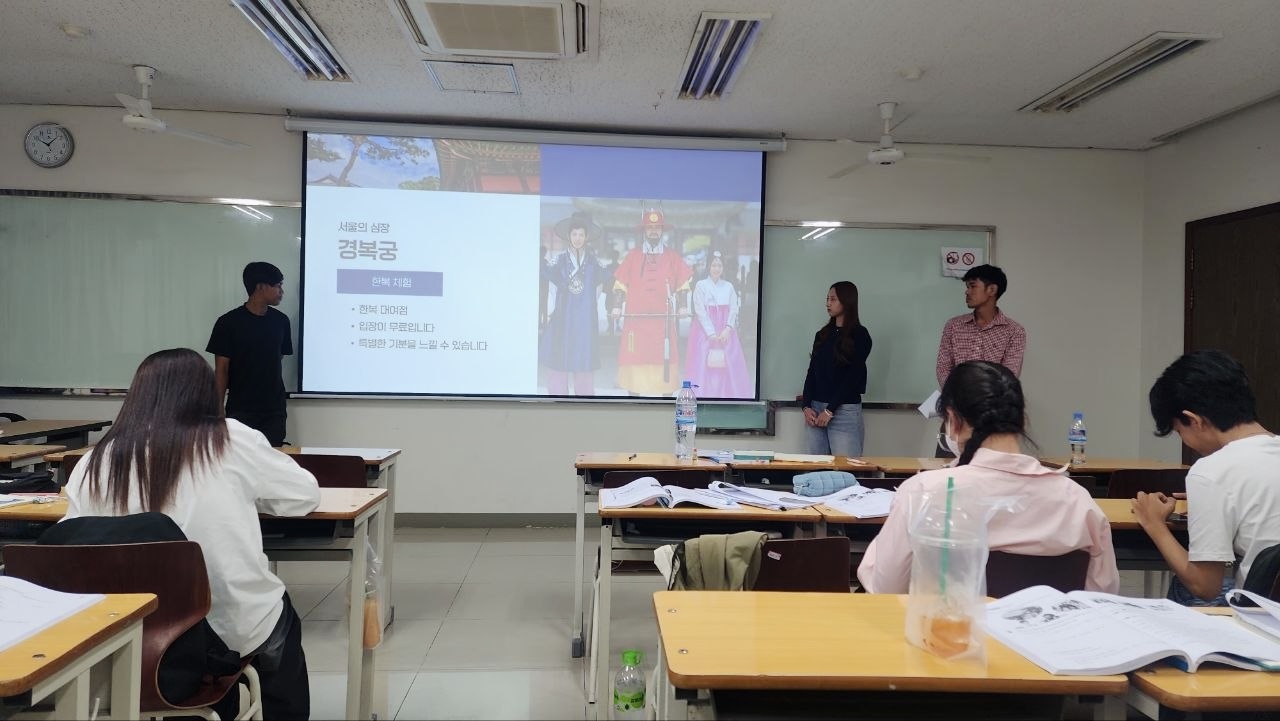
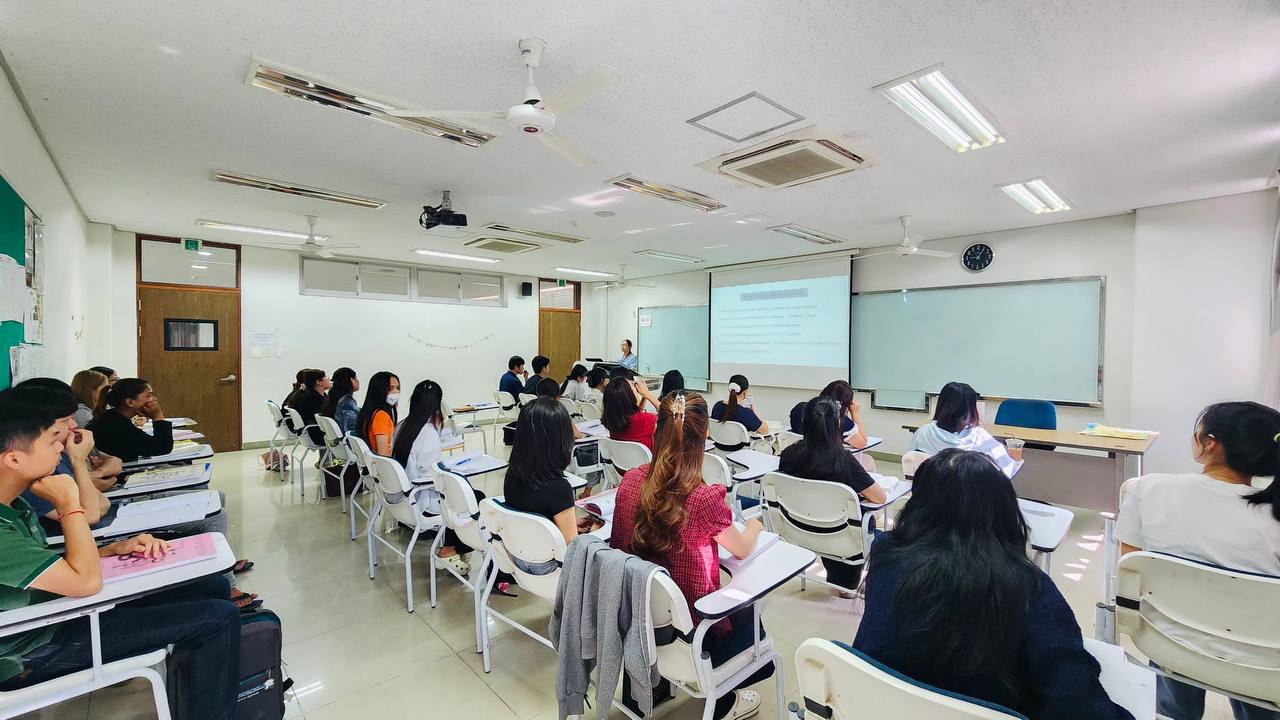
Build a strong foundation in Korean with our General Korean Language Course, designed to help you develop your speaking, listening, reading, and writing skills. Learn from experienced instructors, practice in a modern language lab, and prepare confidently for the TOPIK exam.
Join CKCC today and take the first step toward mastering the Korean language!
    |
Registration Form
Download Here!
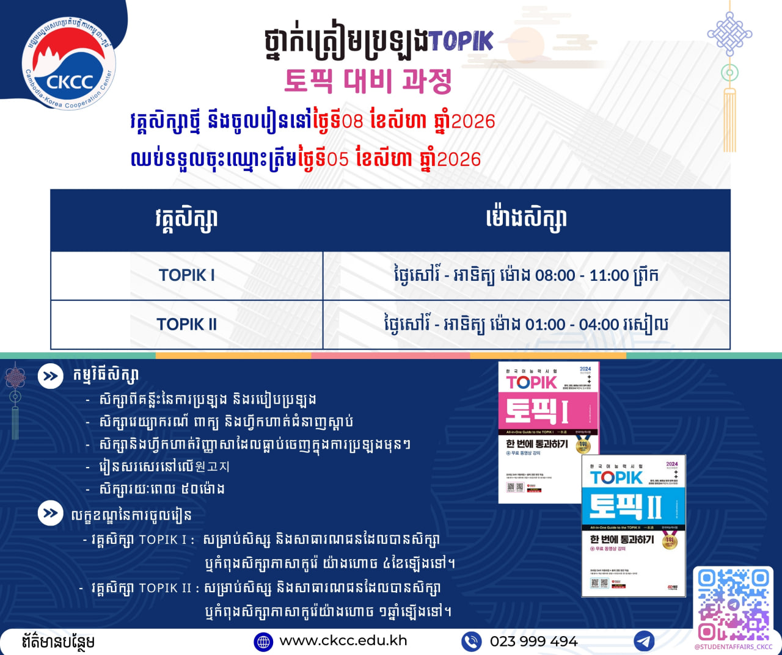
TOPIK Preparation Course
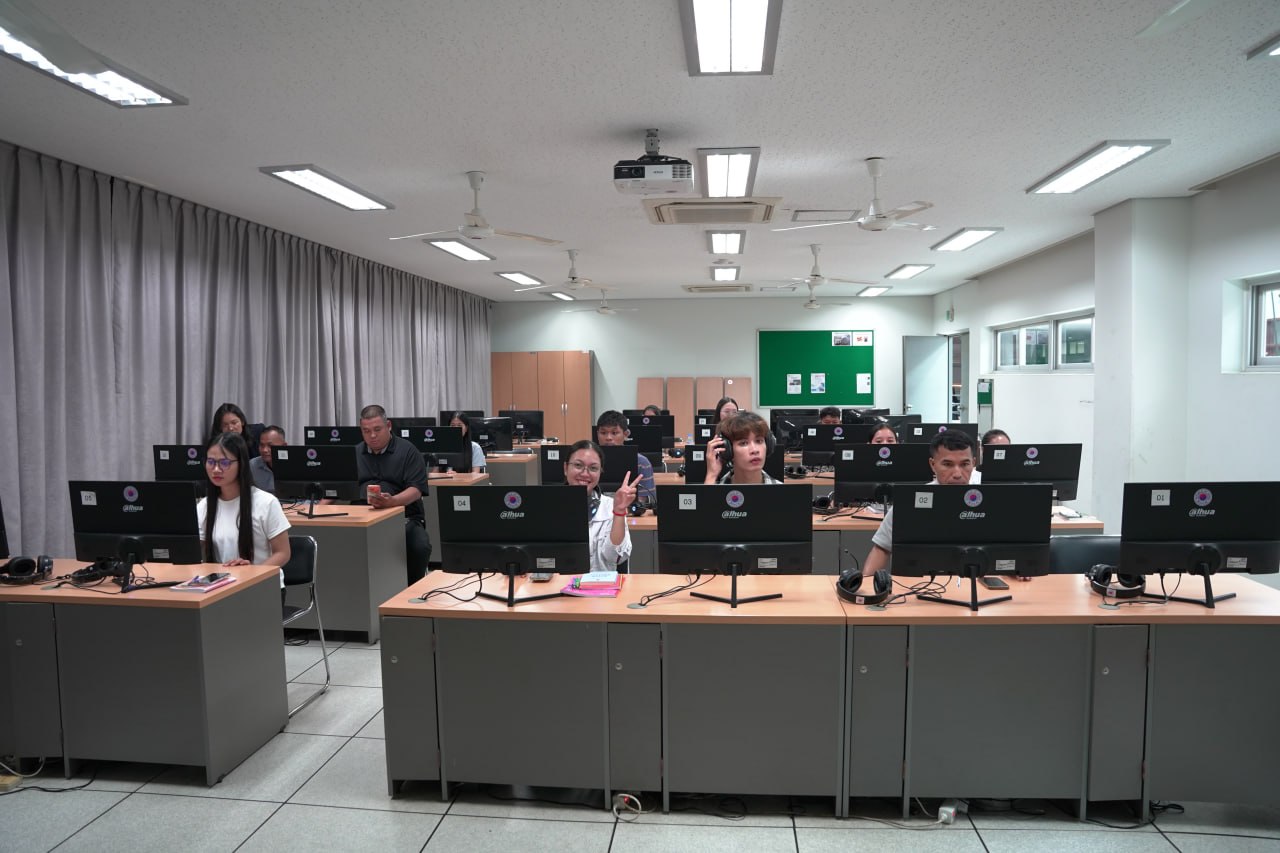
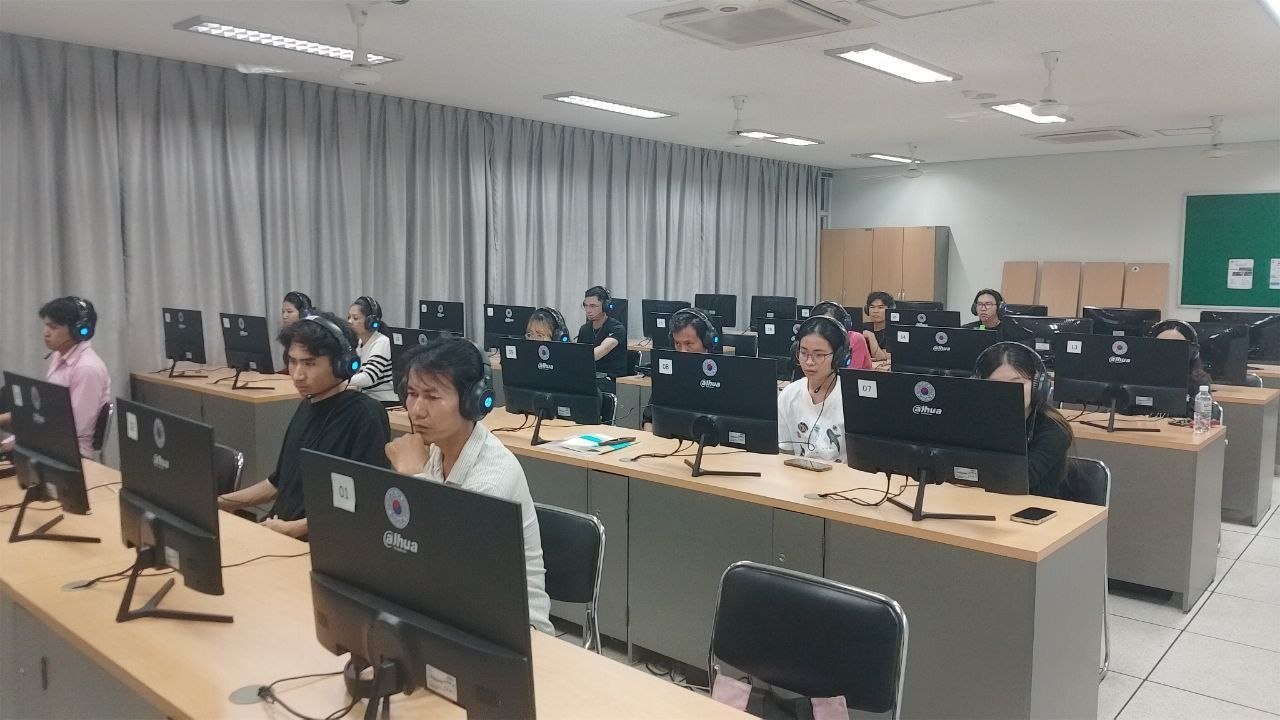
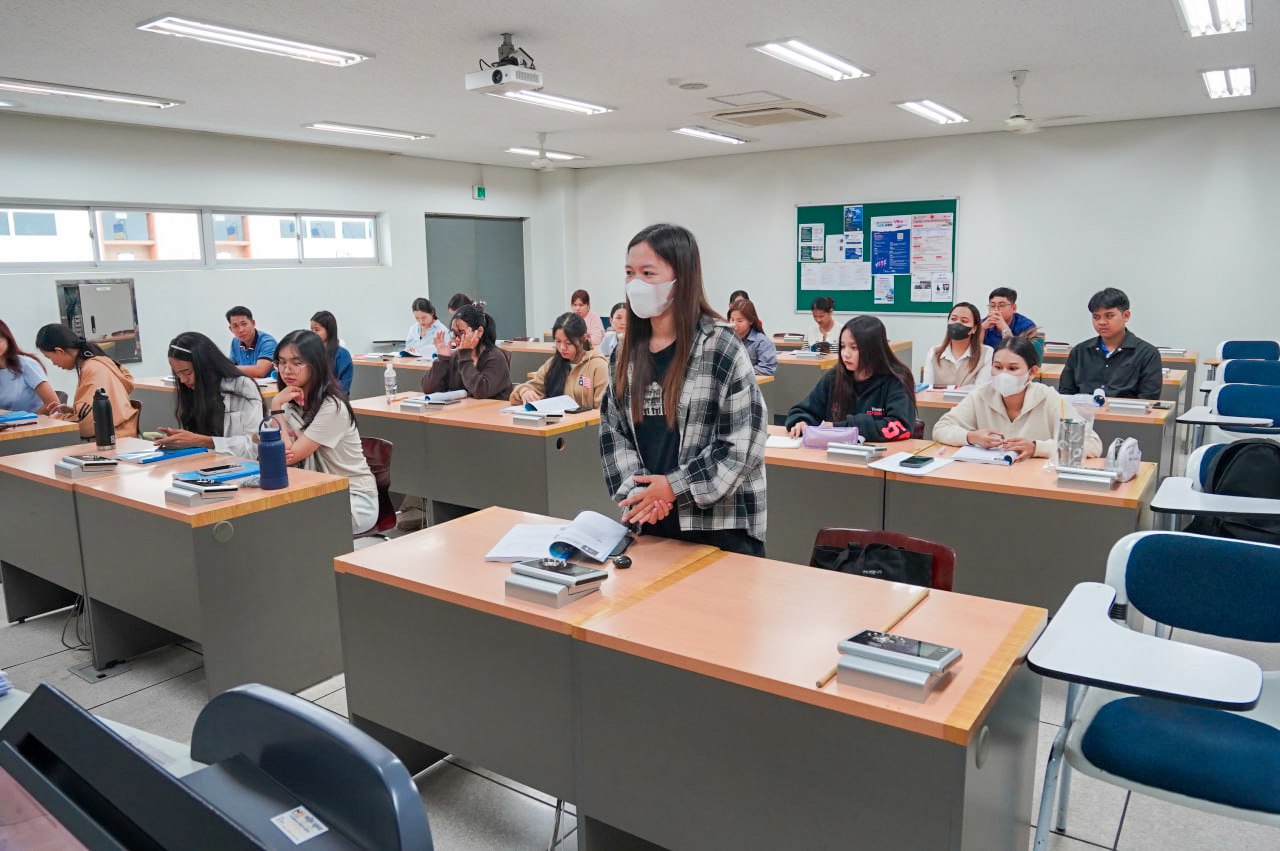
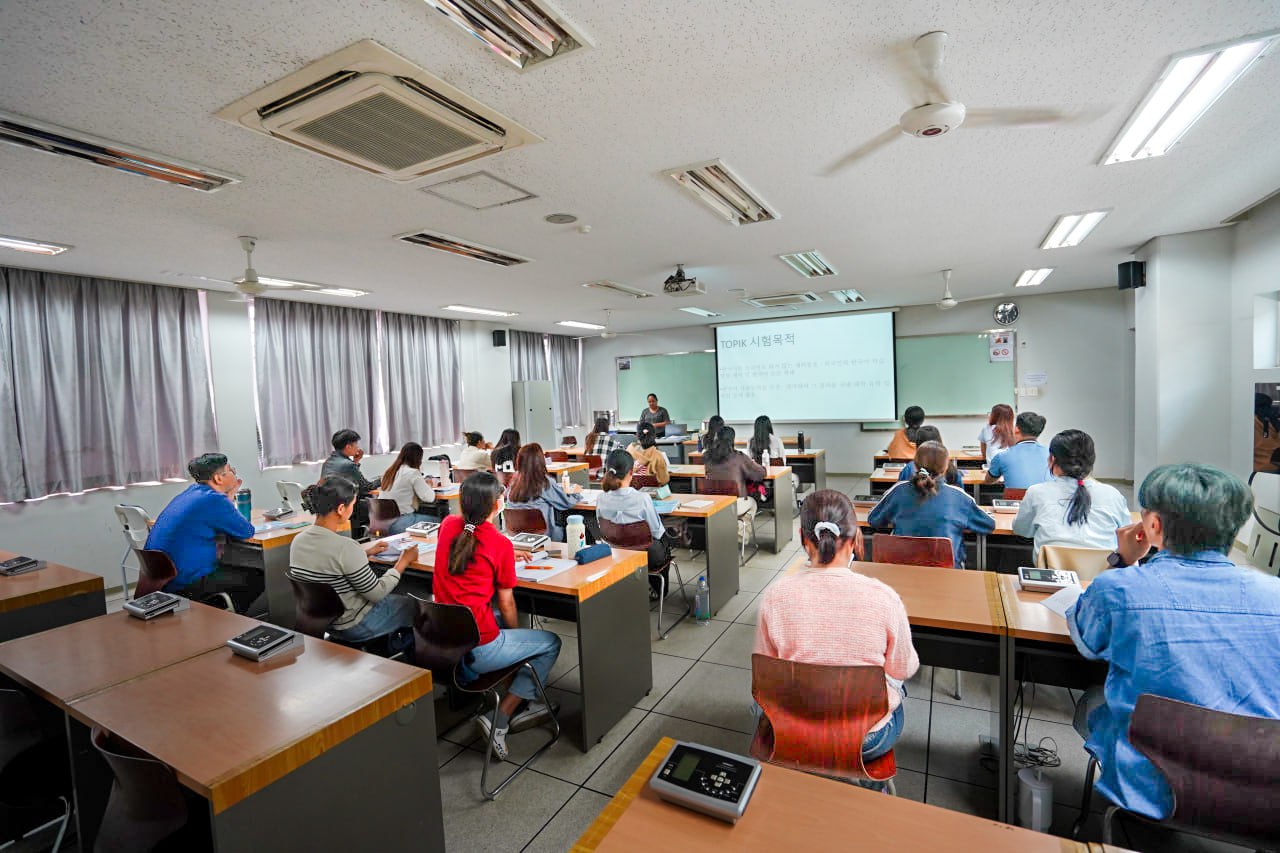
The TOPIK Preparation Course helps students prepare for the TOPIK exam through practice with previous exam papers, Korean grammar, listening exercises, and practical test-taking strategies. The class aims to strengthen students’ Korean language skills and enhance their confidence and performance in the exam.
Register Here
Korean for Business

Taekwondo Training Program
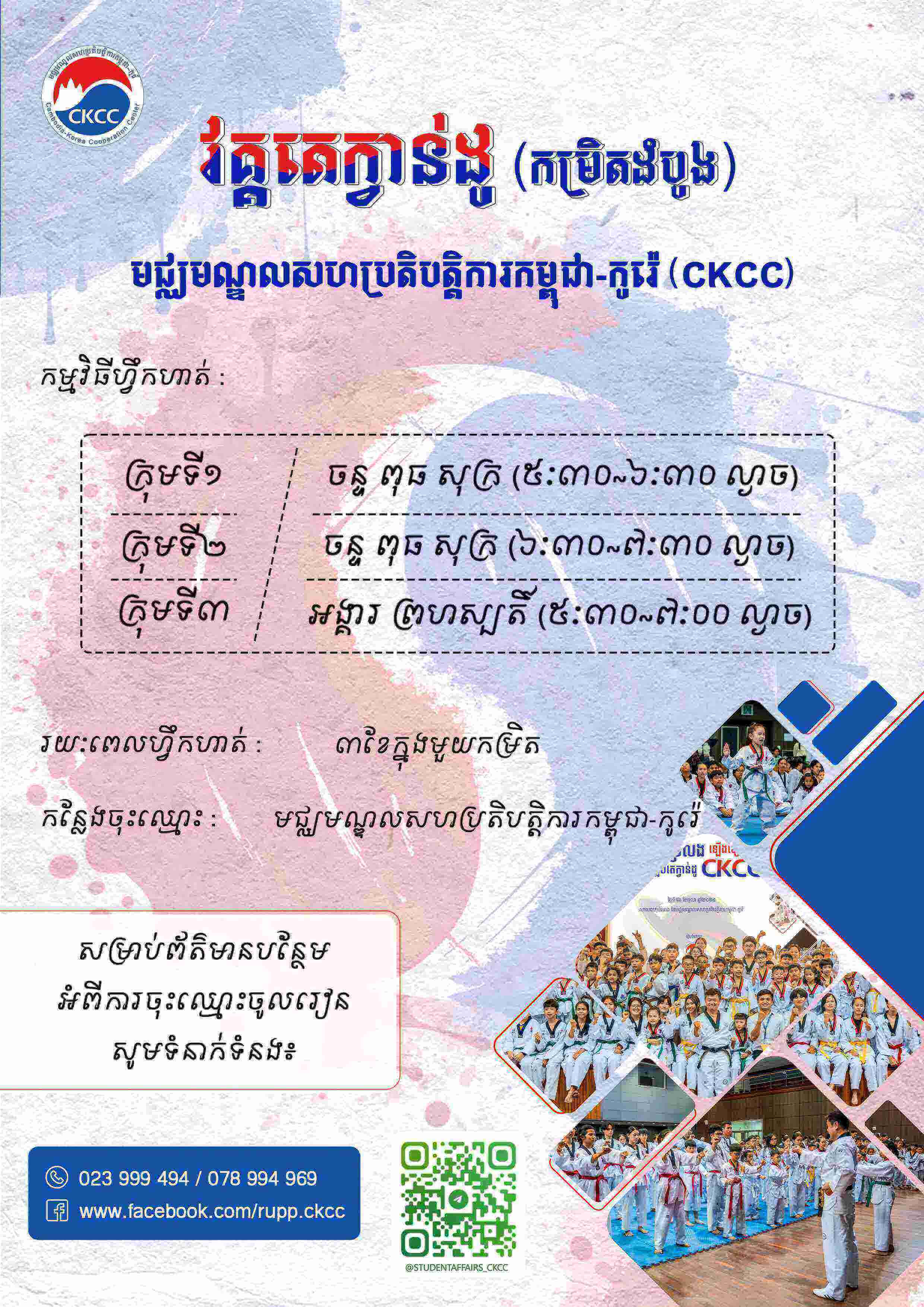
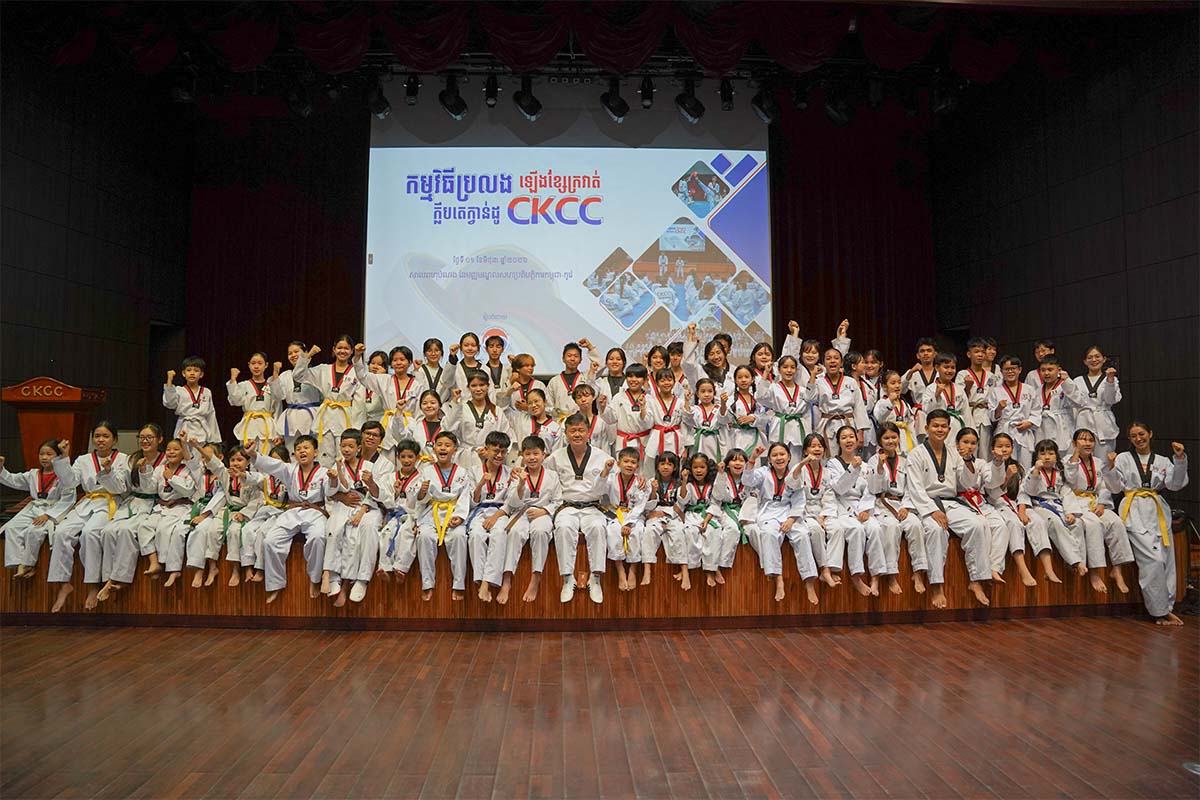
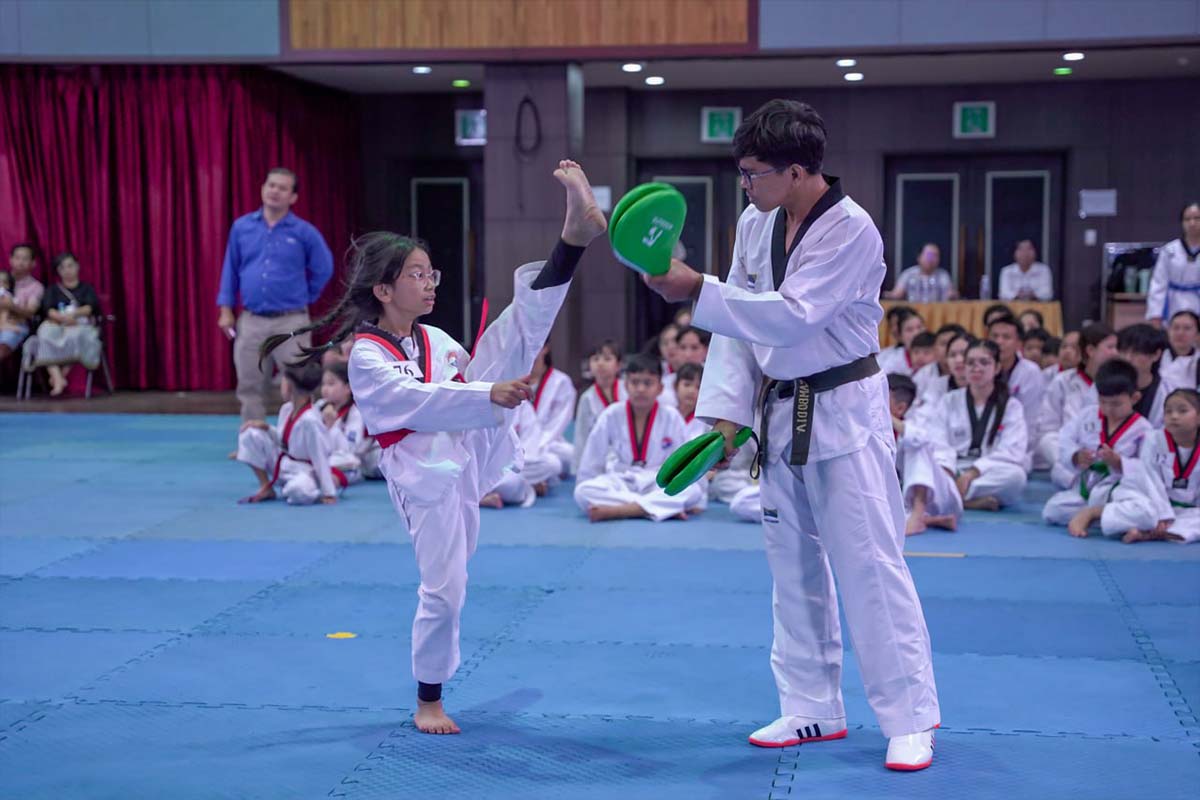
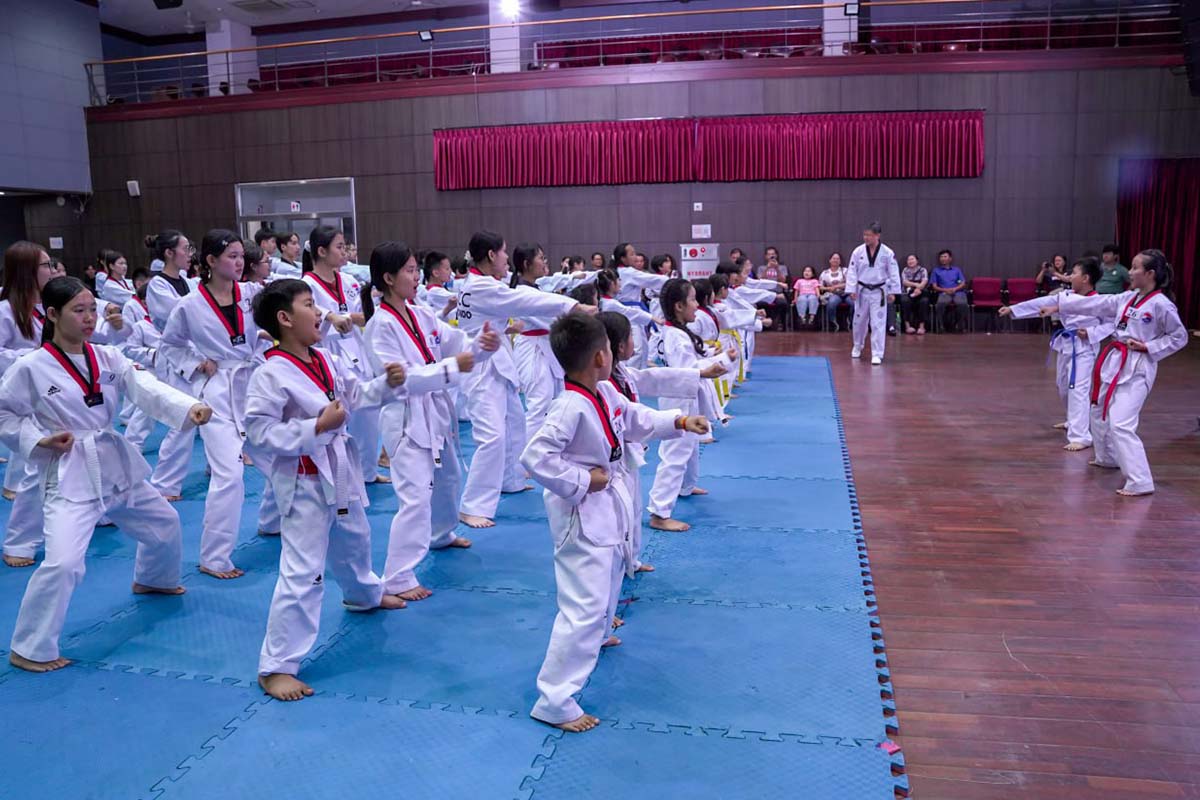
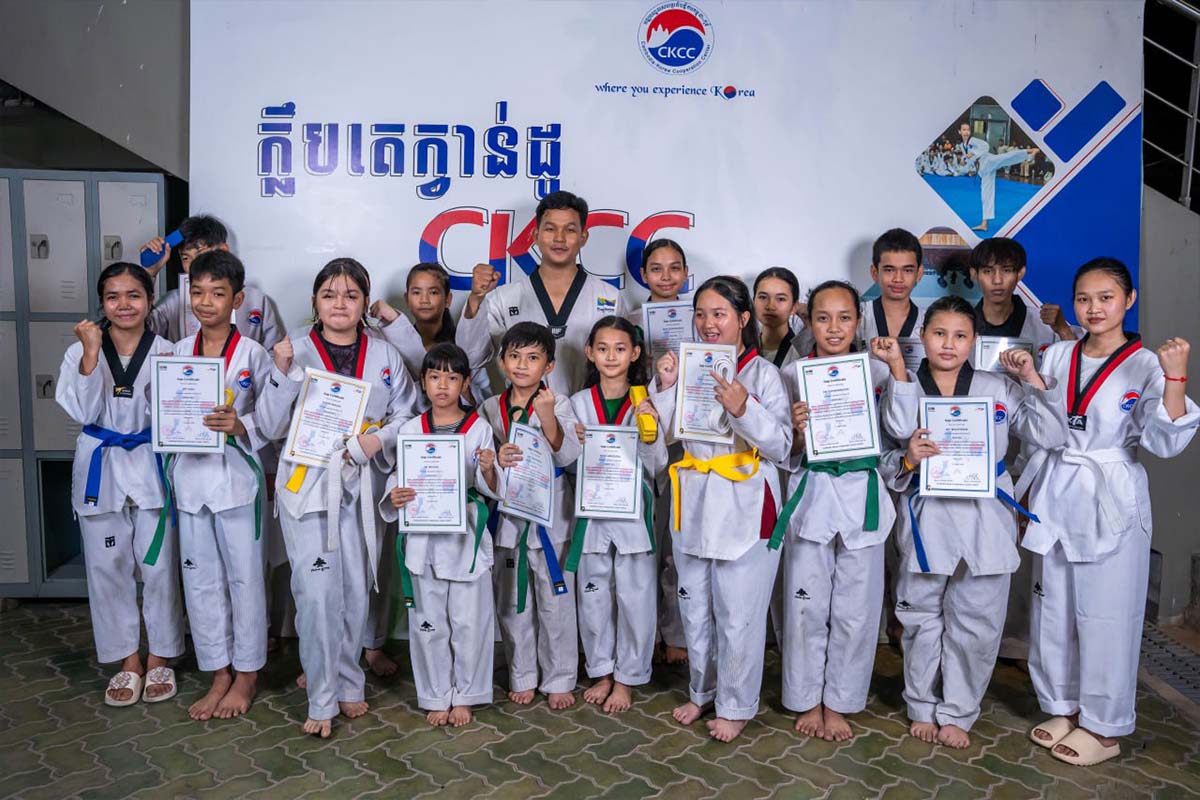
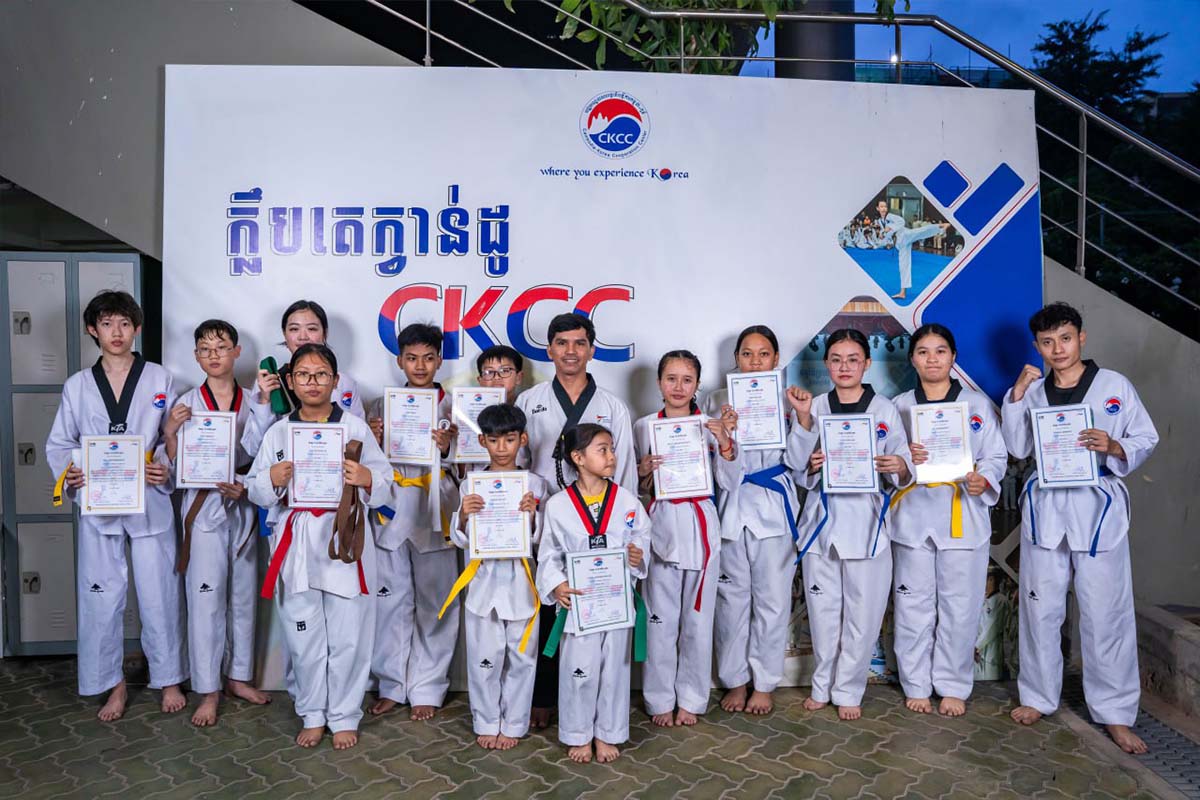
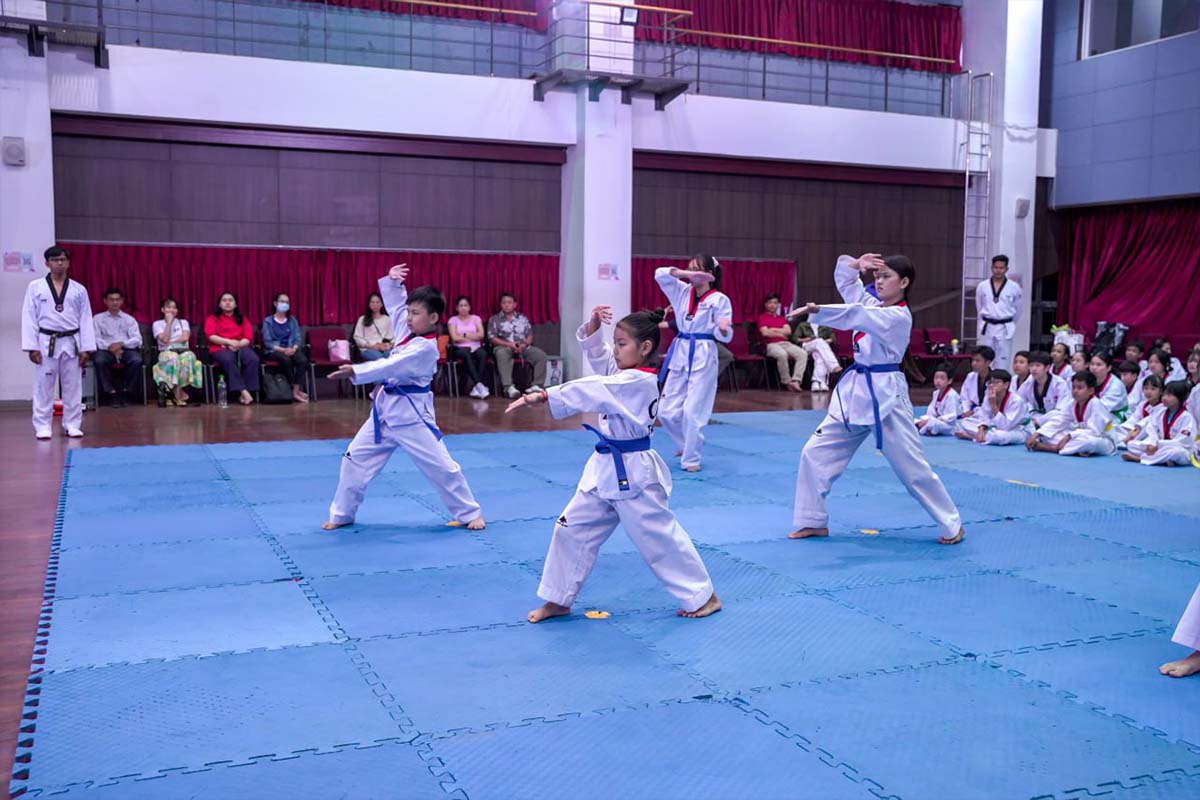
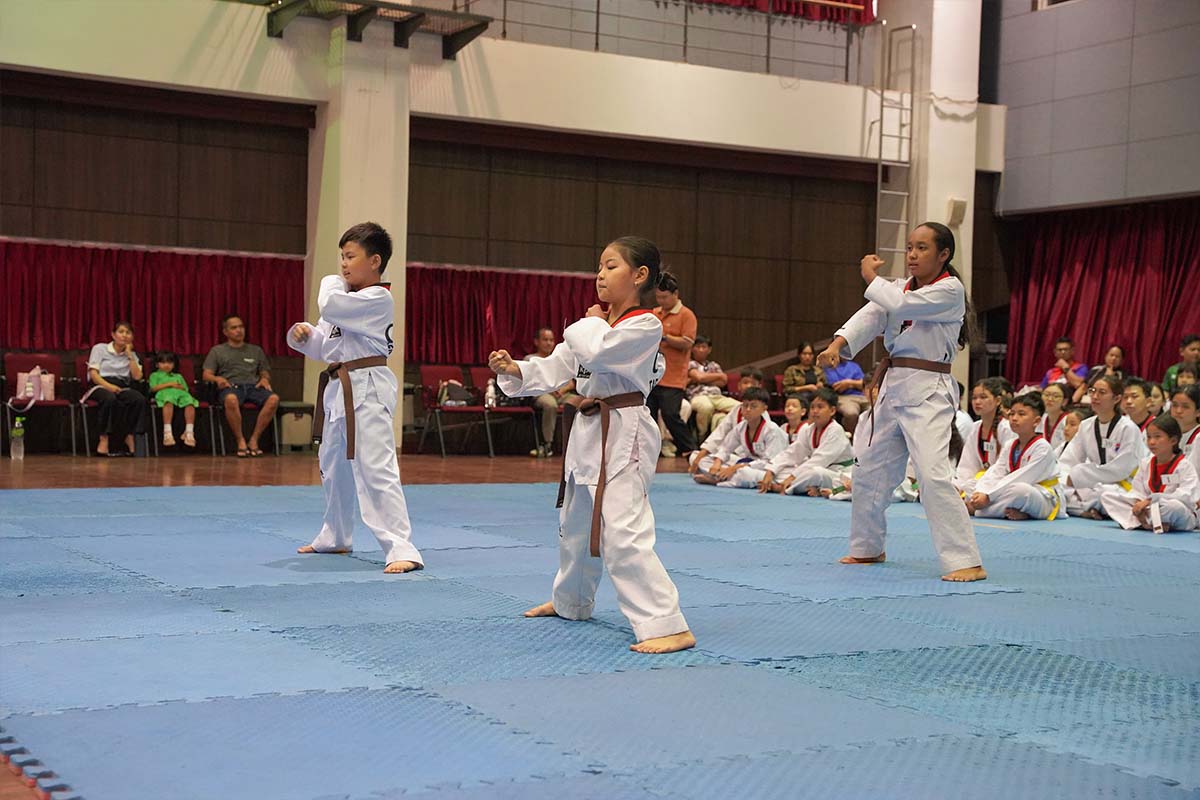
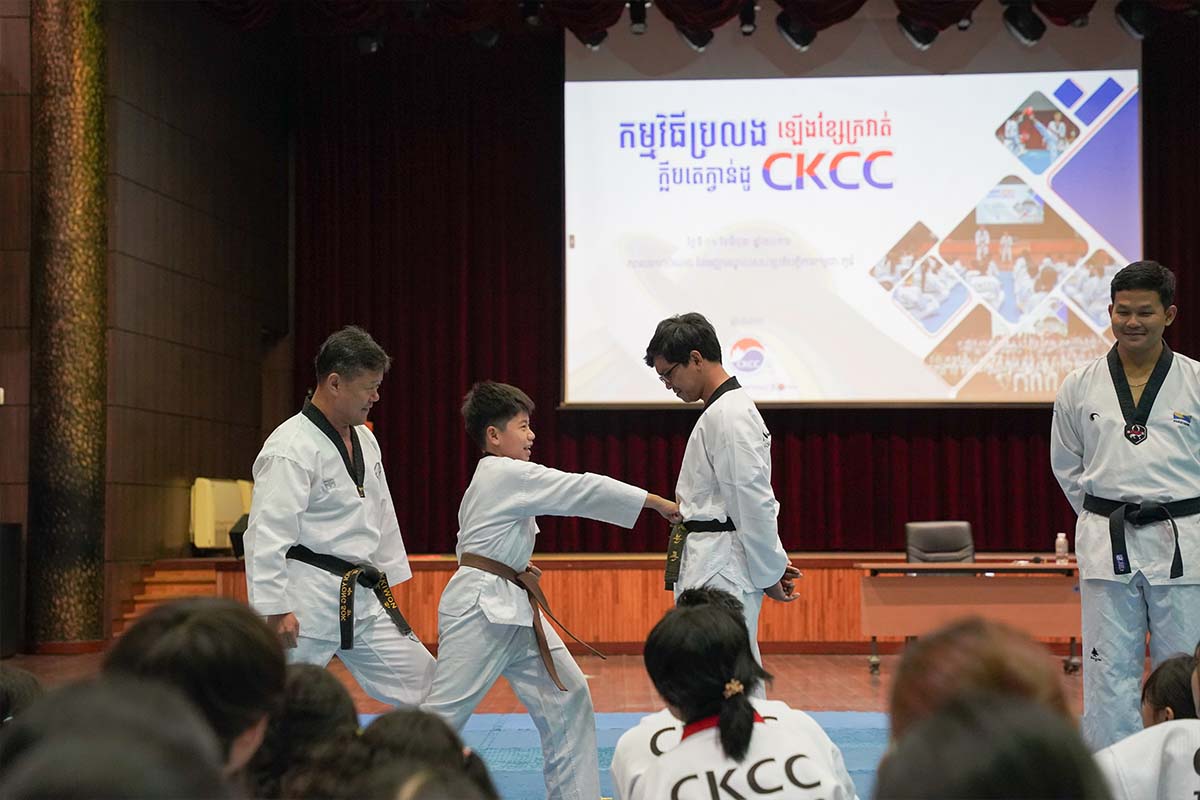
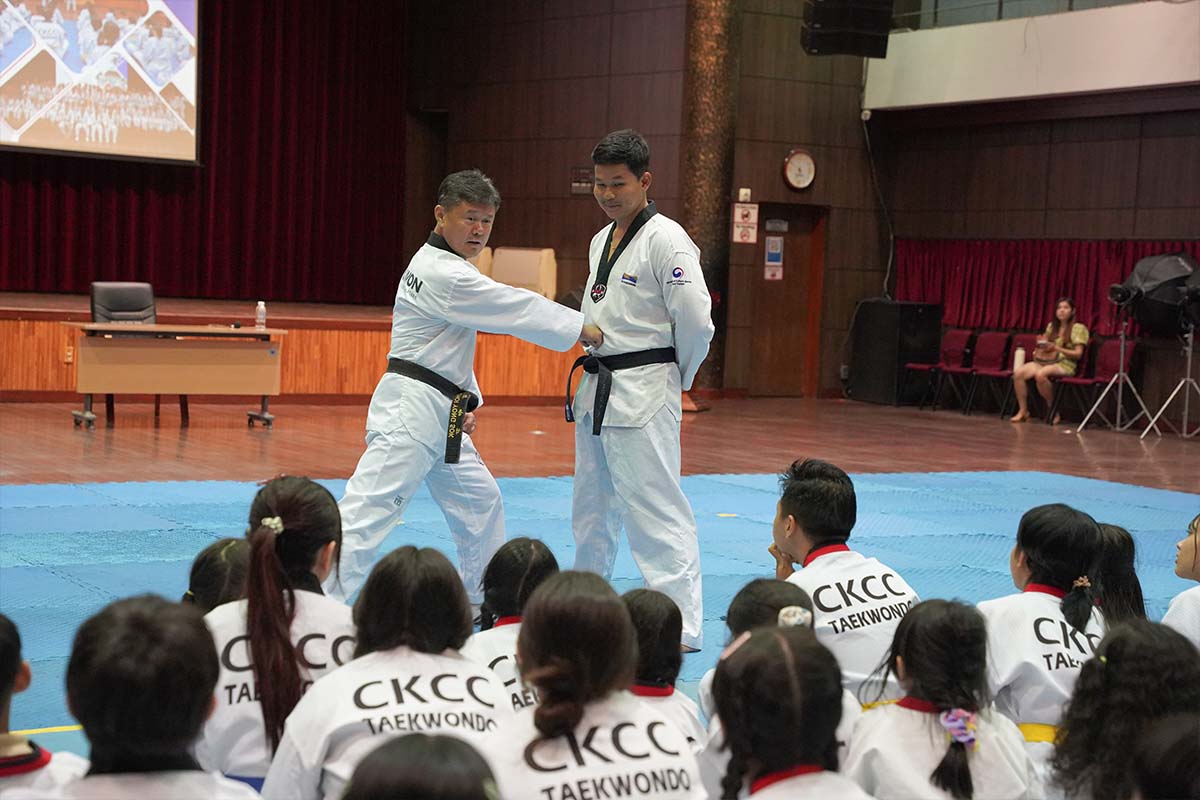
CKCC Taekwondo Club was established since 2015 under the support of the Ministry of Education, Youth and Sports and the Cambodian Taekwondo Federation. For more than 10 years, this taekwondo club gained a lot of trust from hundreds of parents in sending their children over 7 years old to practice taekwondo skill. According to Mr. Khoun Thavouth, Director of CKCC, the main purpose of this establishment is to equip young Cambodians with a self-defense skill and to give them the opportunity to involve in sport activities and avoid illegal drug abuse and violences.
Training Schedule:
Group 1: Monday, Wednesday, Friday (5:30 pm - 6:30 pm)
Group 2: Monday, Wednesday, Friday (6:30 pm - 7:30 pm)
Group 3: Tuesday, Thursday (5:30 pm - 7:00 pm)
Training Fee:
$55 per level
Benefits:
- 3 months of training per level
- Belt promotion test included
- Opportunities to participate in Taekwondo performance
Registration Venue:
Cambodia-Korea Cooperation Center
Gallery of Taekwondo class
Digital Marketing for Business Course
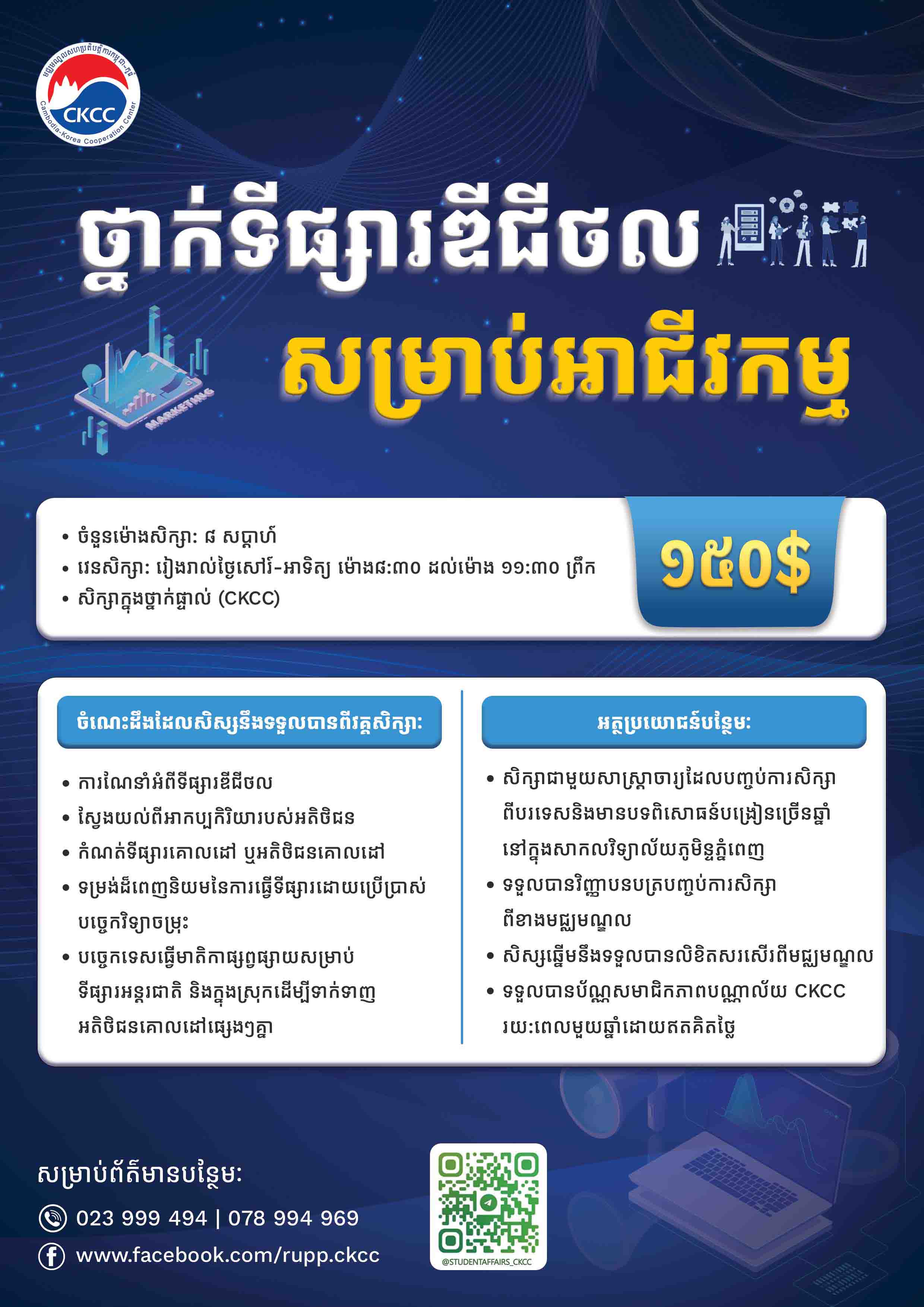
By seeing the great career demand in this skill, CKCC started launching Digital Marketing for Business (DMB) course in January 2022. While most academic institutes offer digital marketing course at professional level that require the students to spend longer period to complete the whole course; DMB course of CKCC distinguish itself by focusing on the fundamental practical skill that fit to the busy employees and business owners who have basic knowledge about marketing as well as digital marketing. Besides having professional lecturer, the Center put more effort in creating a more favorable environment for self-study and research. Our DMB students receive free access to library as well as internet inside the campus. Students’ progress is CKCC’s top priority.
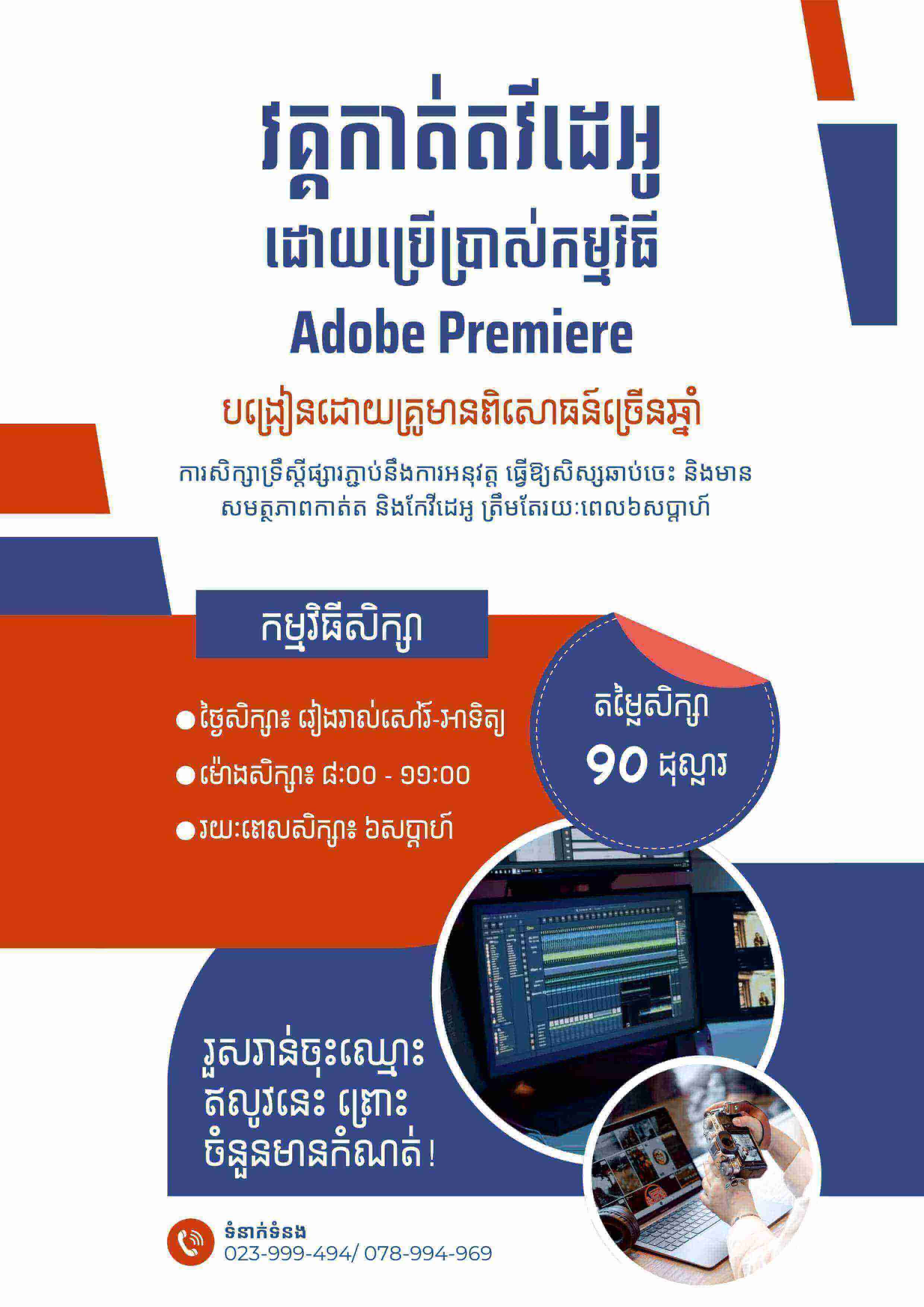
Video Editing Course
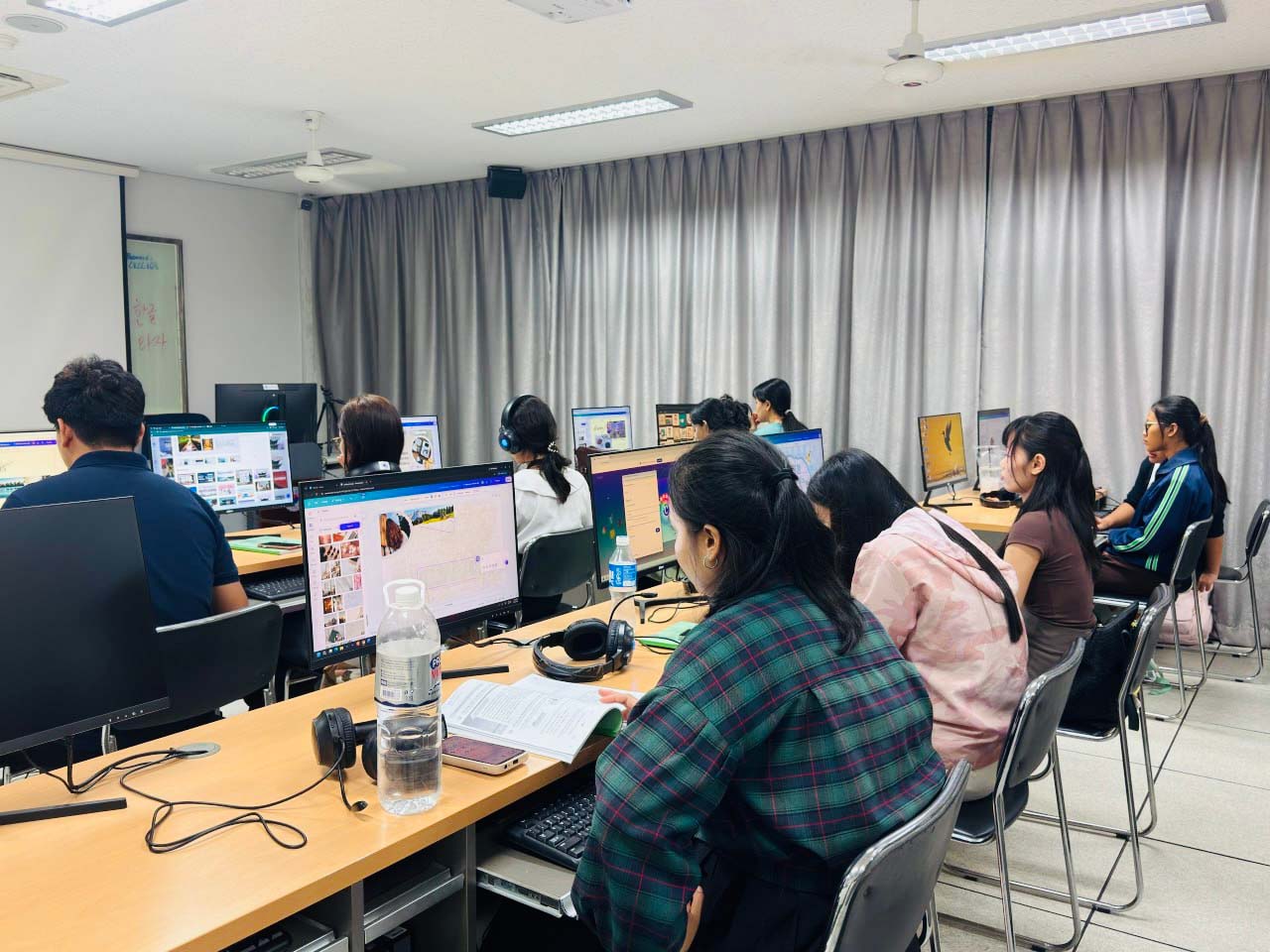
Video editing skill is an invaluable skill for building a personal brand, launching a freelance career, or opening doors to high demand creative careers. Besides having professional lecturer, our computer lab is equipped with modern facilities necessary for students to learn and practice the skill. Taking video editing course at CKCC could empowers you to achieve your dream of improving your content’s visual appeal and storytelling.
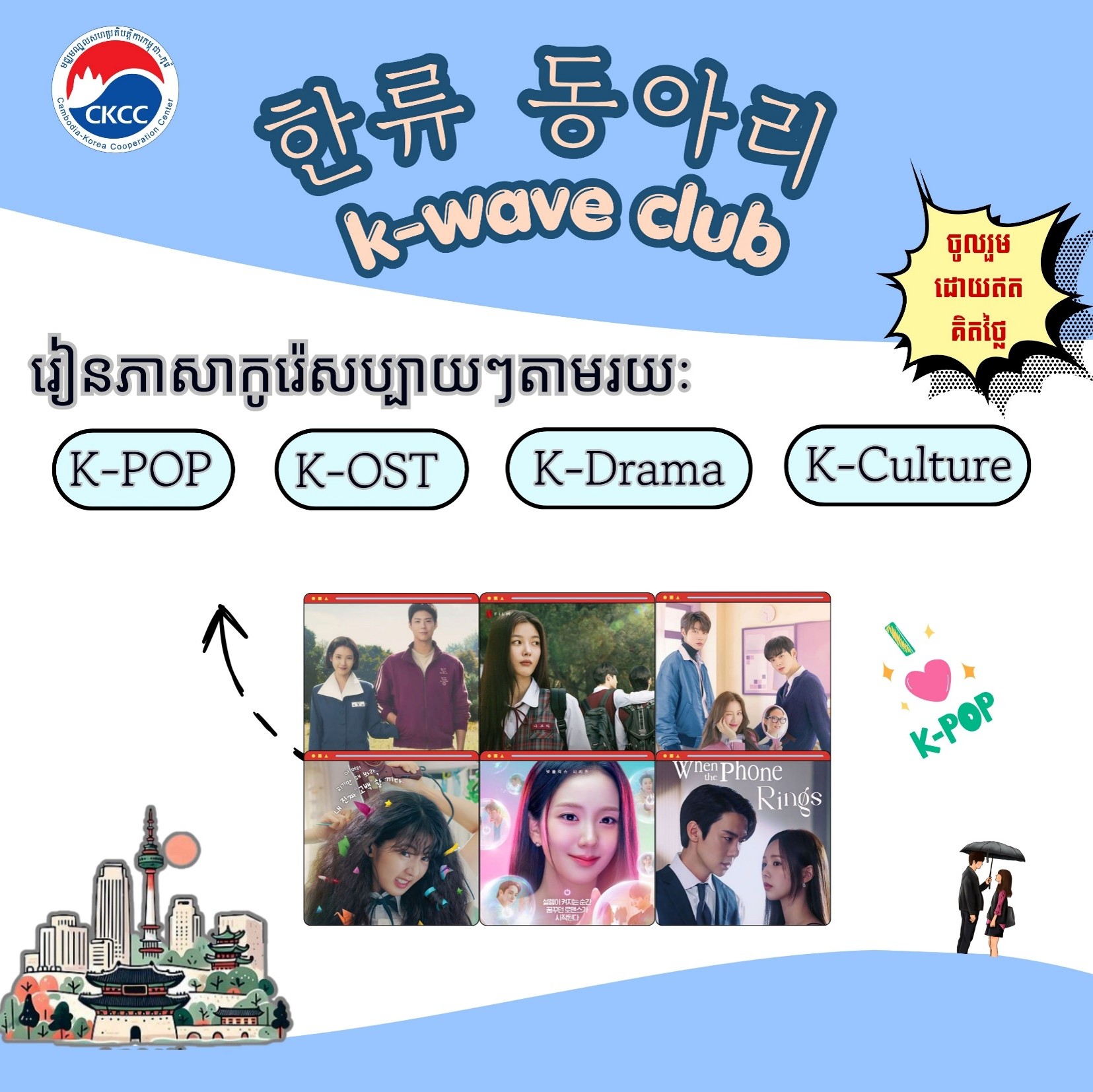
Welcome to K-Wave Club
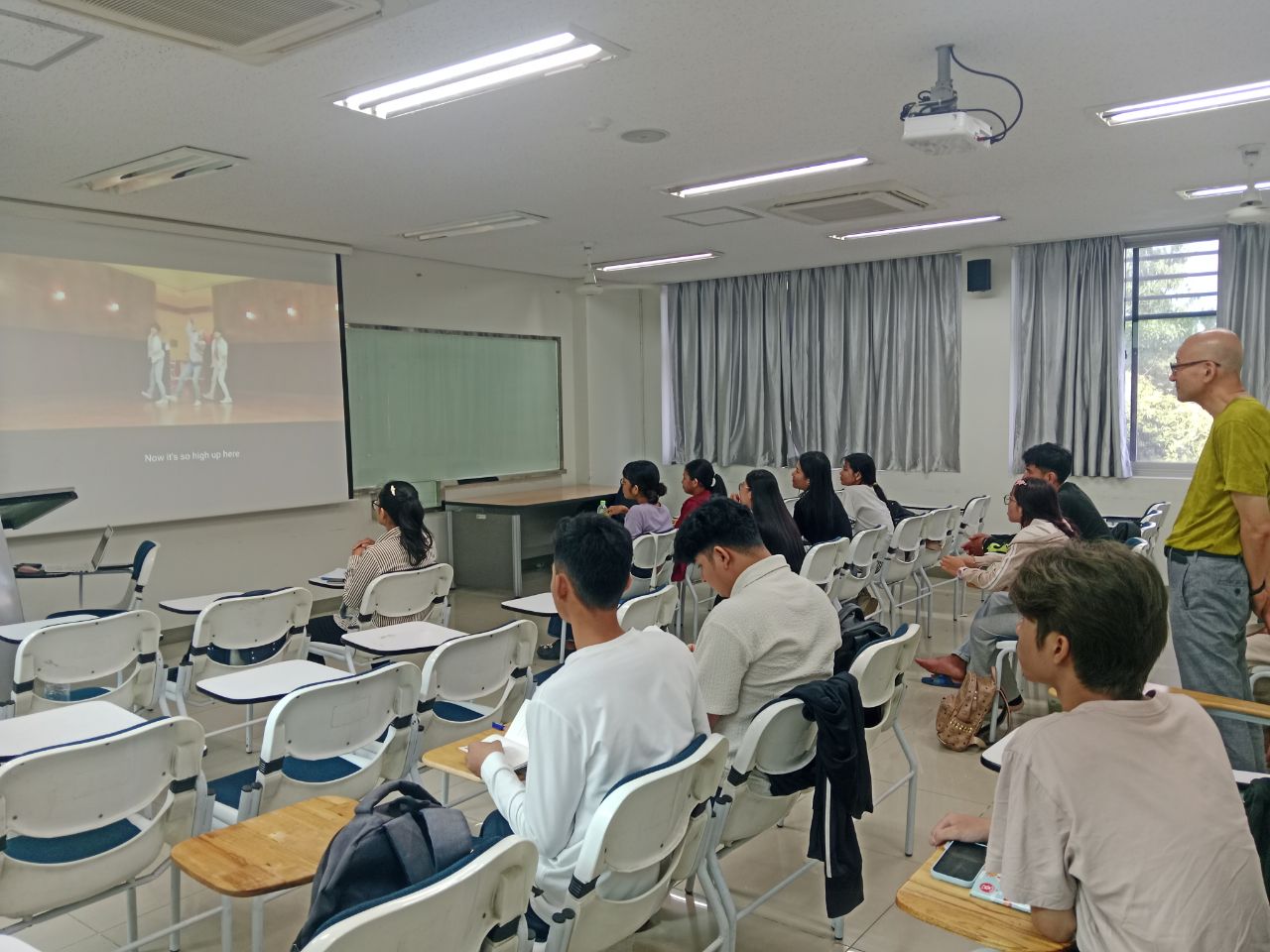
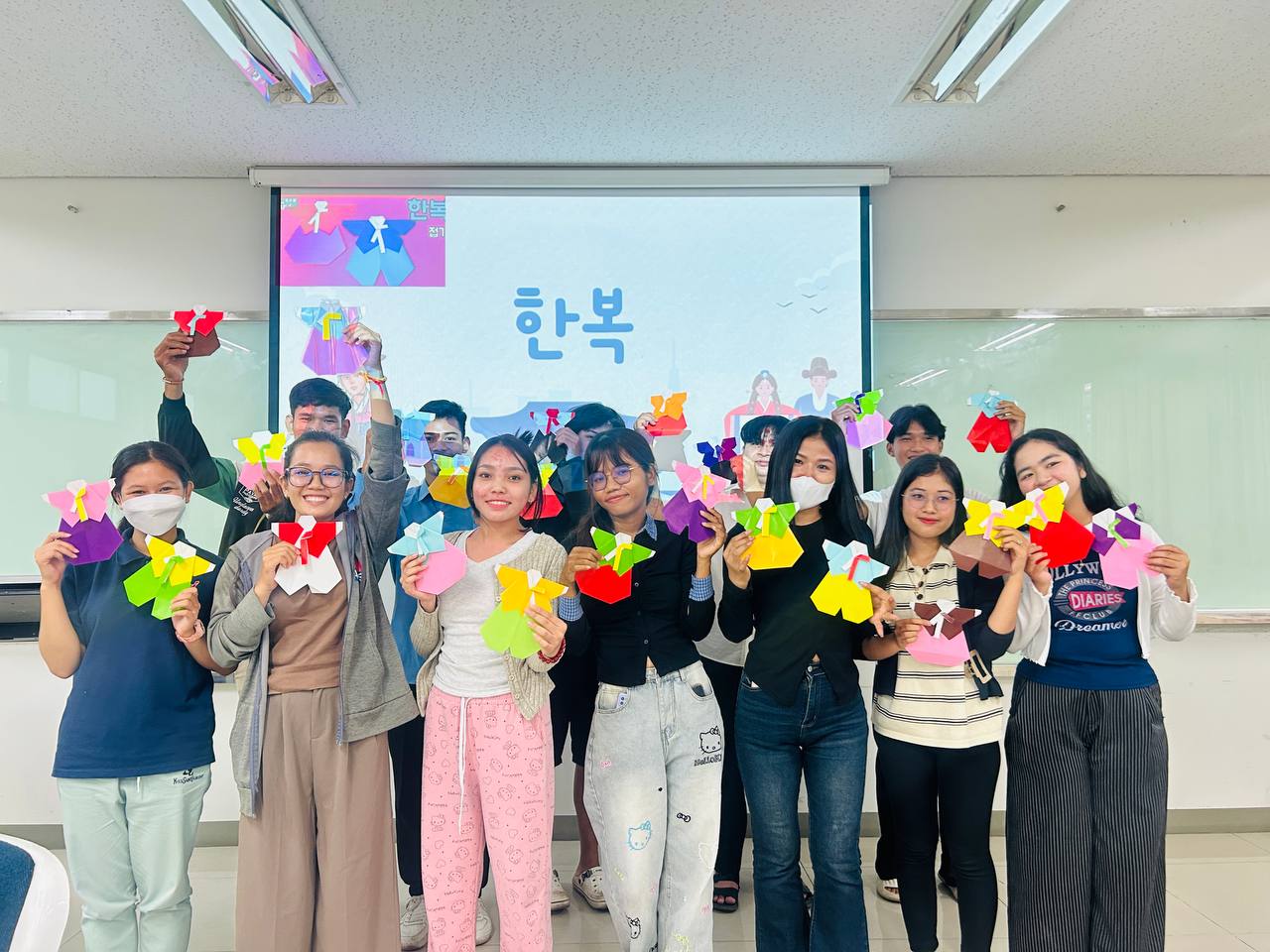
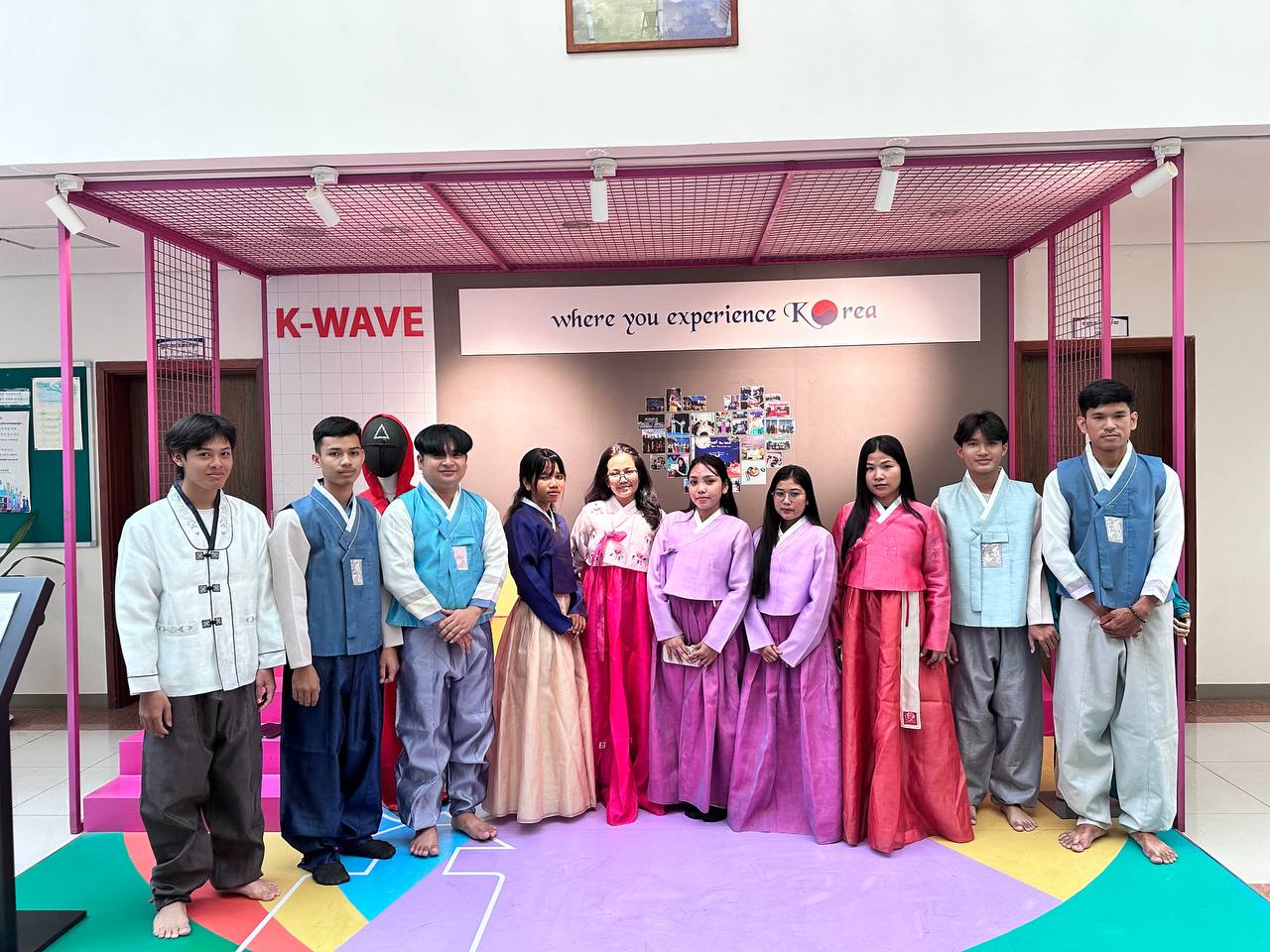
K- Wave Club was established to provide students with greater opportunities to learn the Korean language in an engaging and enjoyable way through Korean, K-pop songs, original soundtracks (OSTs) from Korean dramas, and other Korean cultural content. This Club conduct 2-3 time ayear. Student can learn language and experience Korean culture for free of charge.
For more information, Click Here
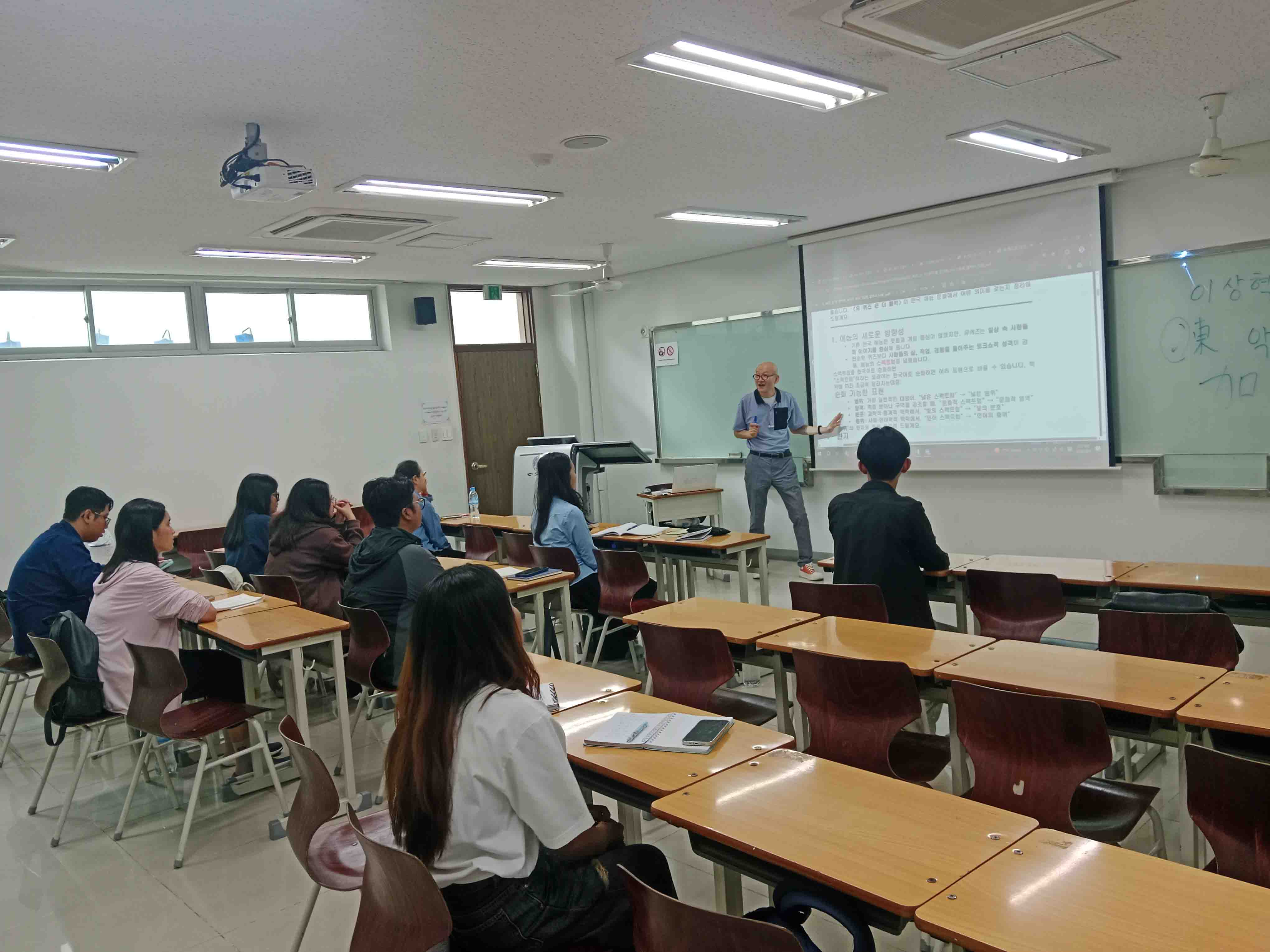
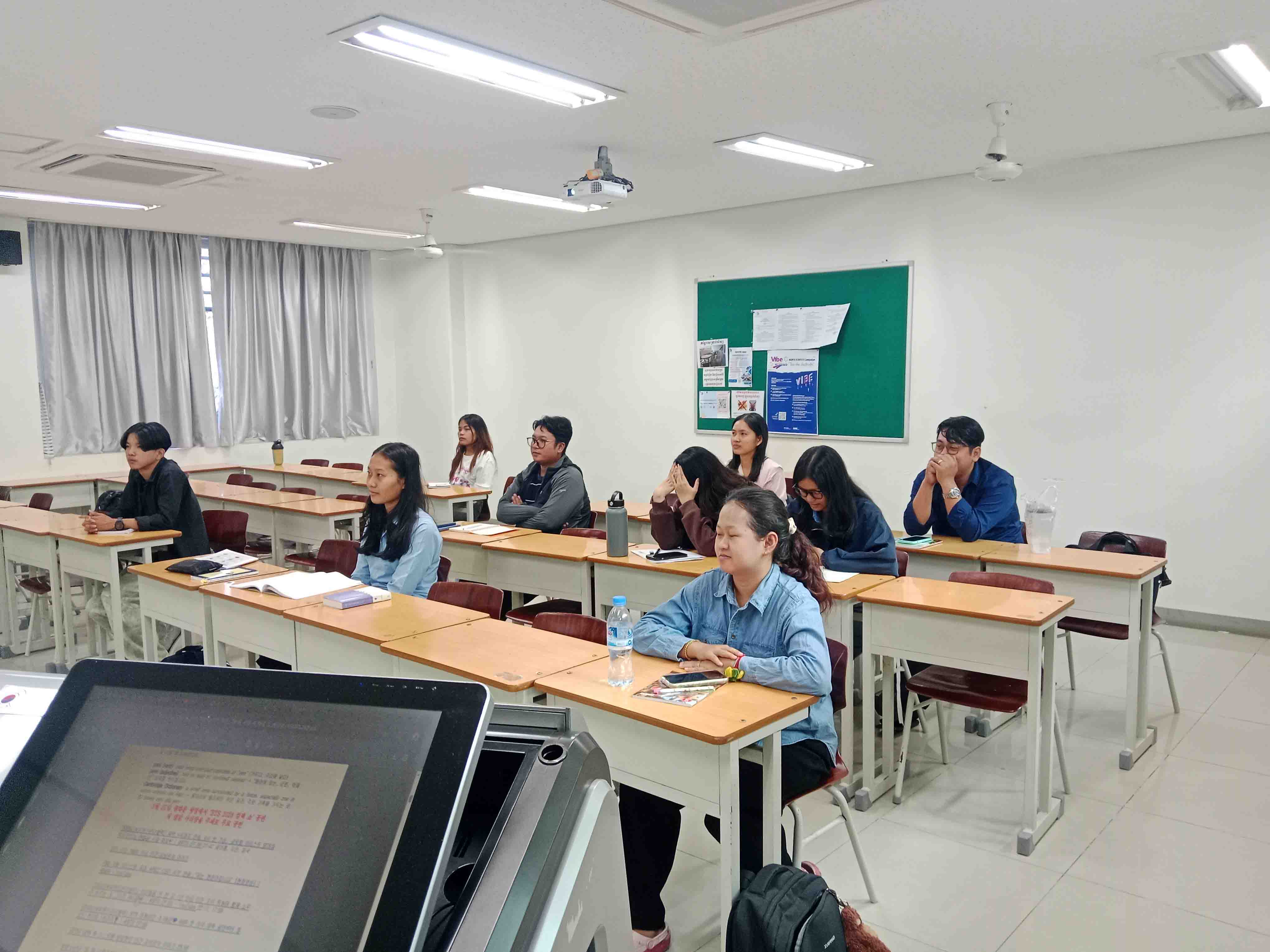
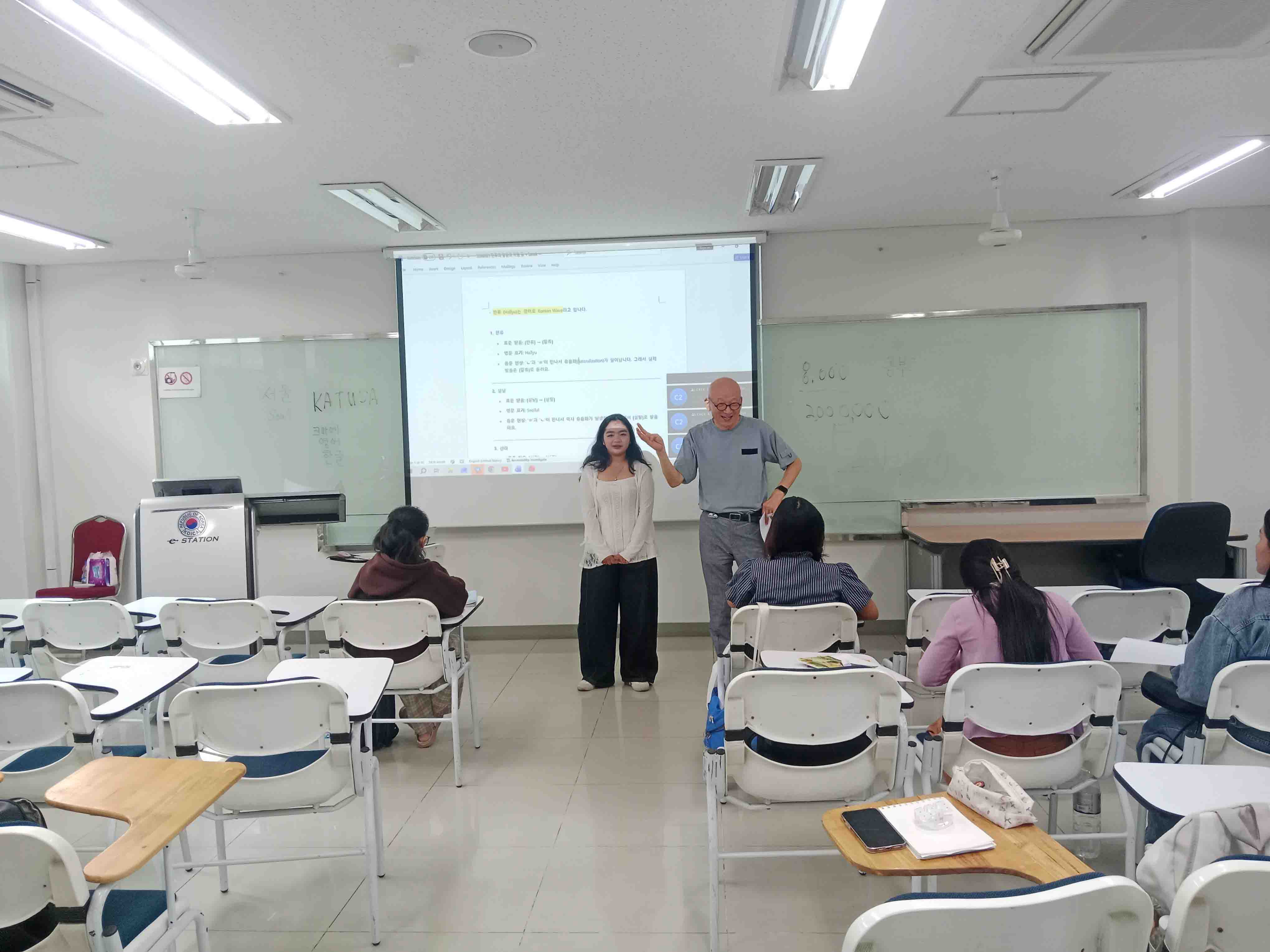
Welcome to Korean Clinic Club
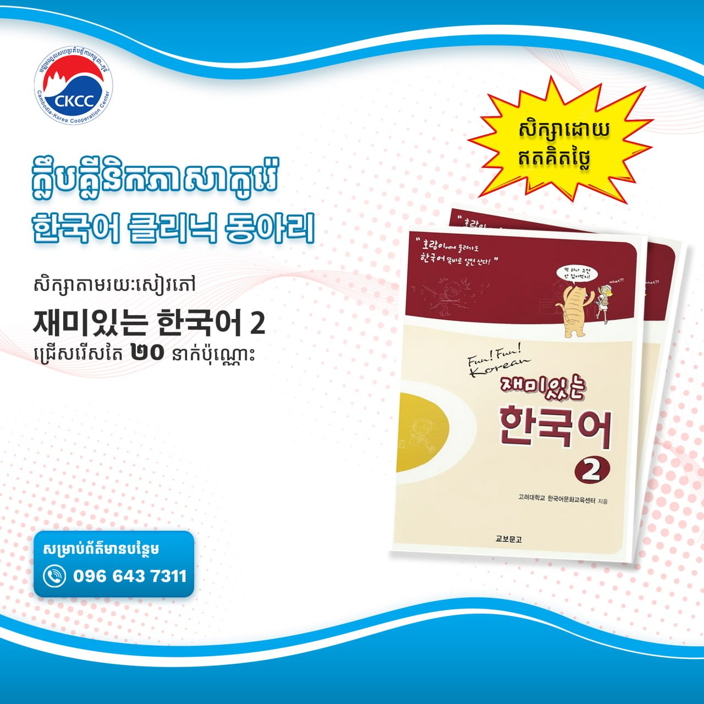
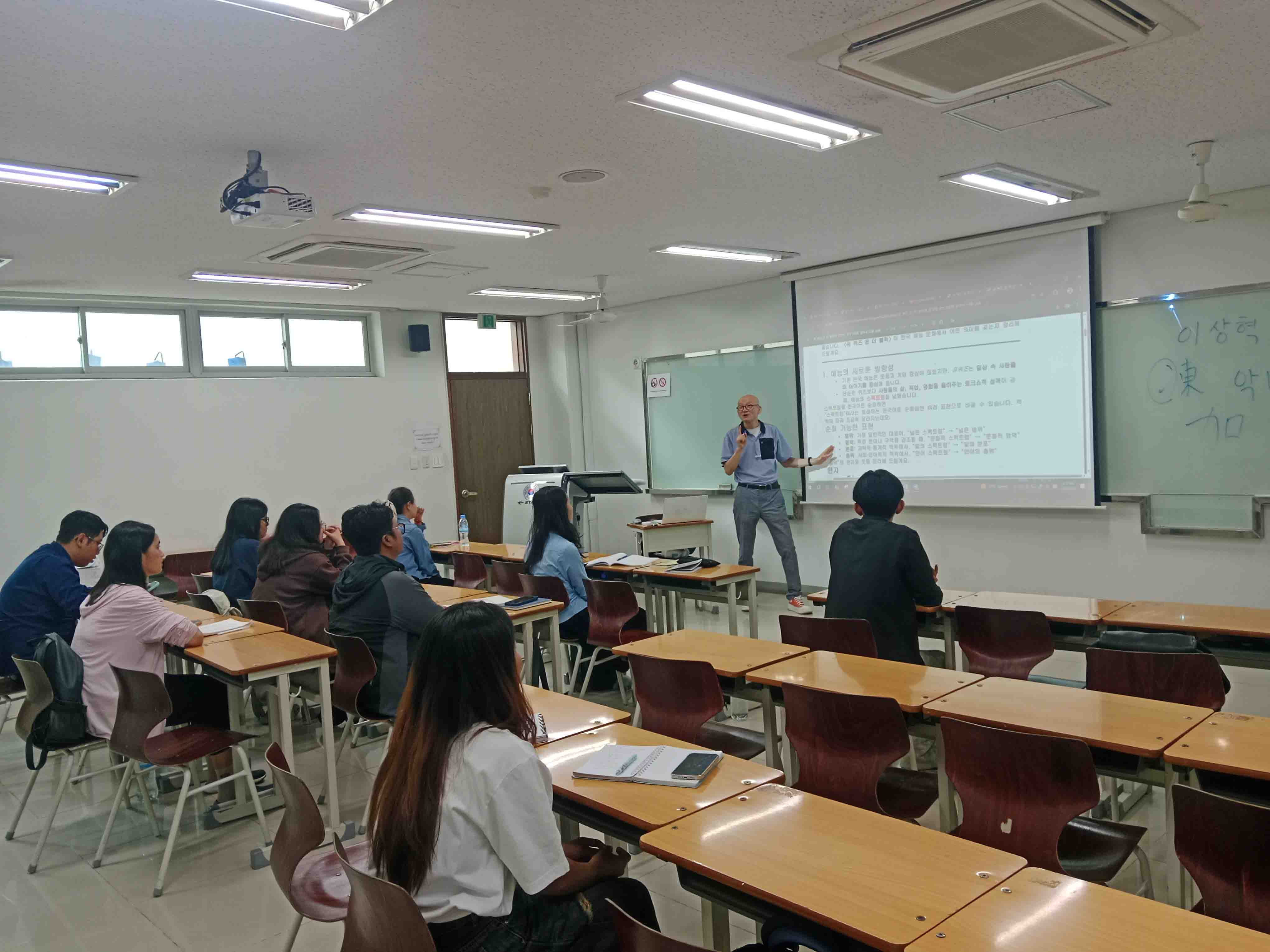
The Korean Clinic Club was established to help students improve their Korean pronunciation and further strengthen their Korean speaking skills. The club is conducted 2-3 times a year, providing students with opportunities to improve their Korean language skills, particularly their reading proficiency, while gaining valuable experience in practicing and developing their speaking skills through direct interaction with native Korean speakers. Participation in the club is free of charge.
For more information, Click Here
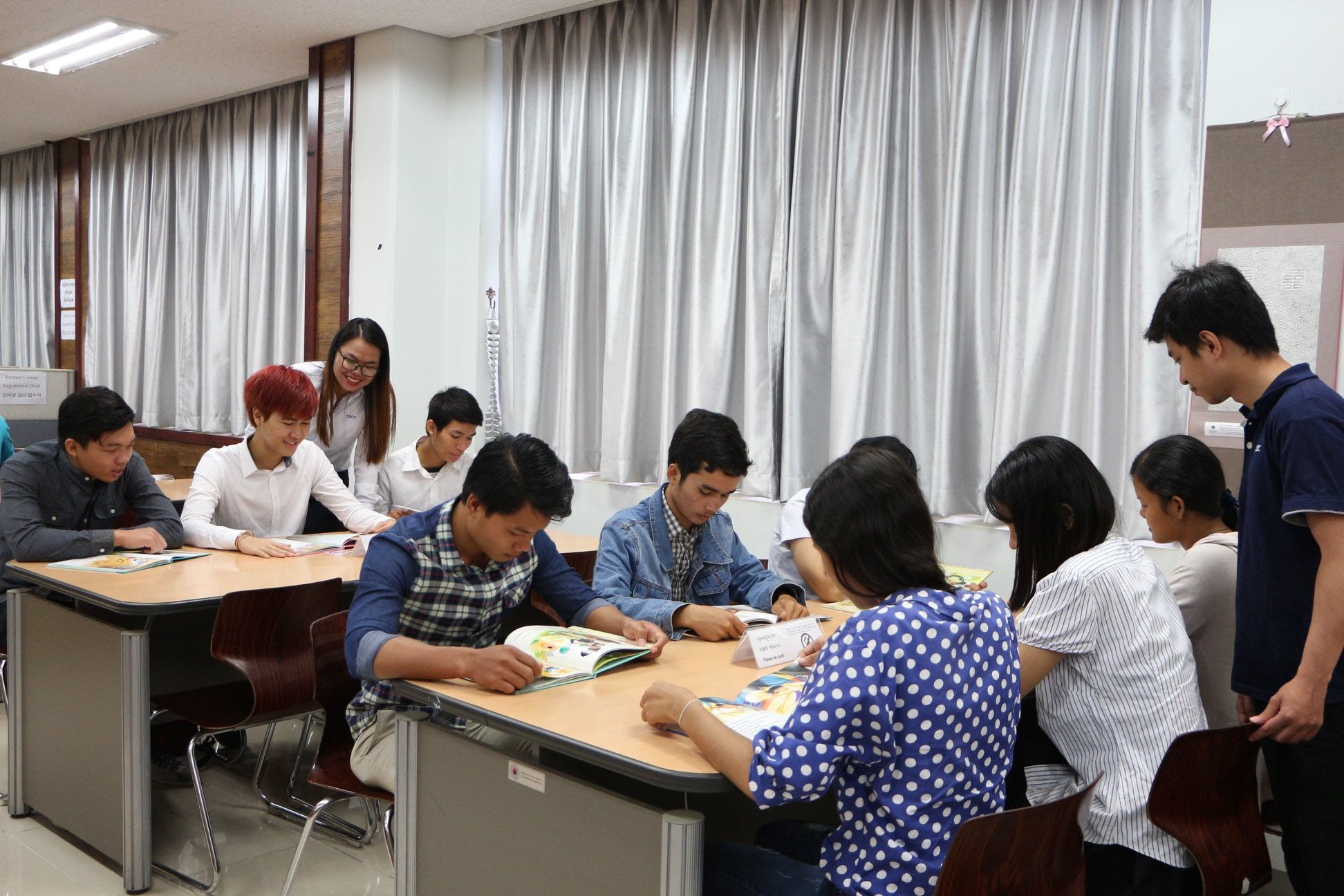
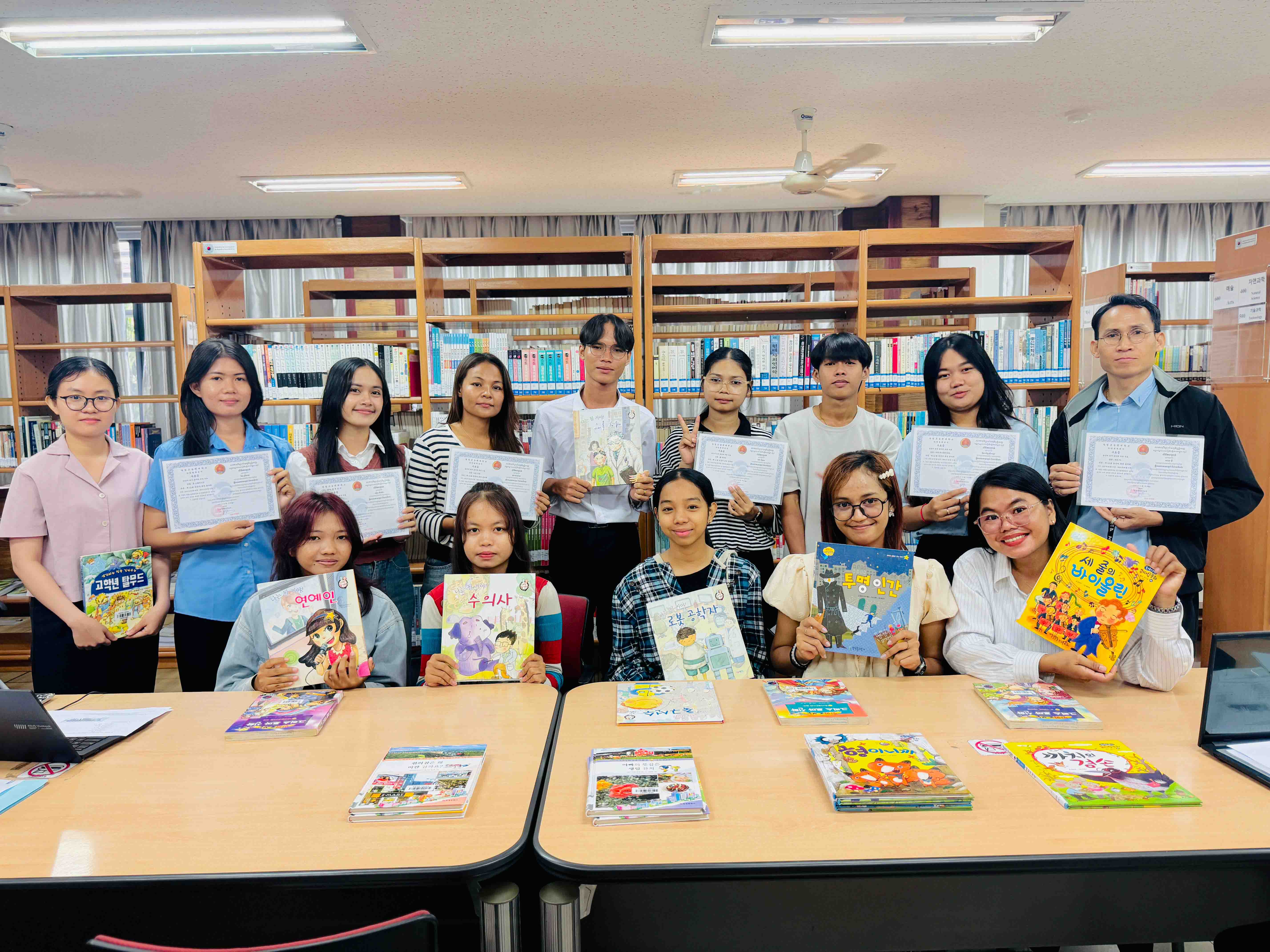
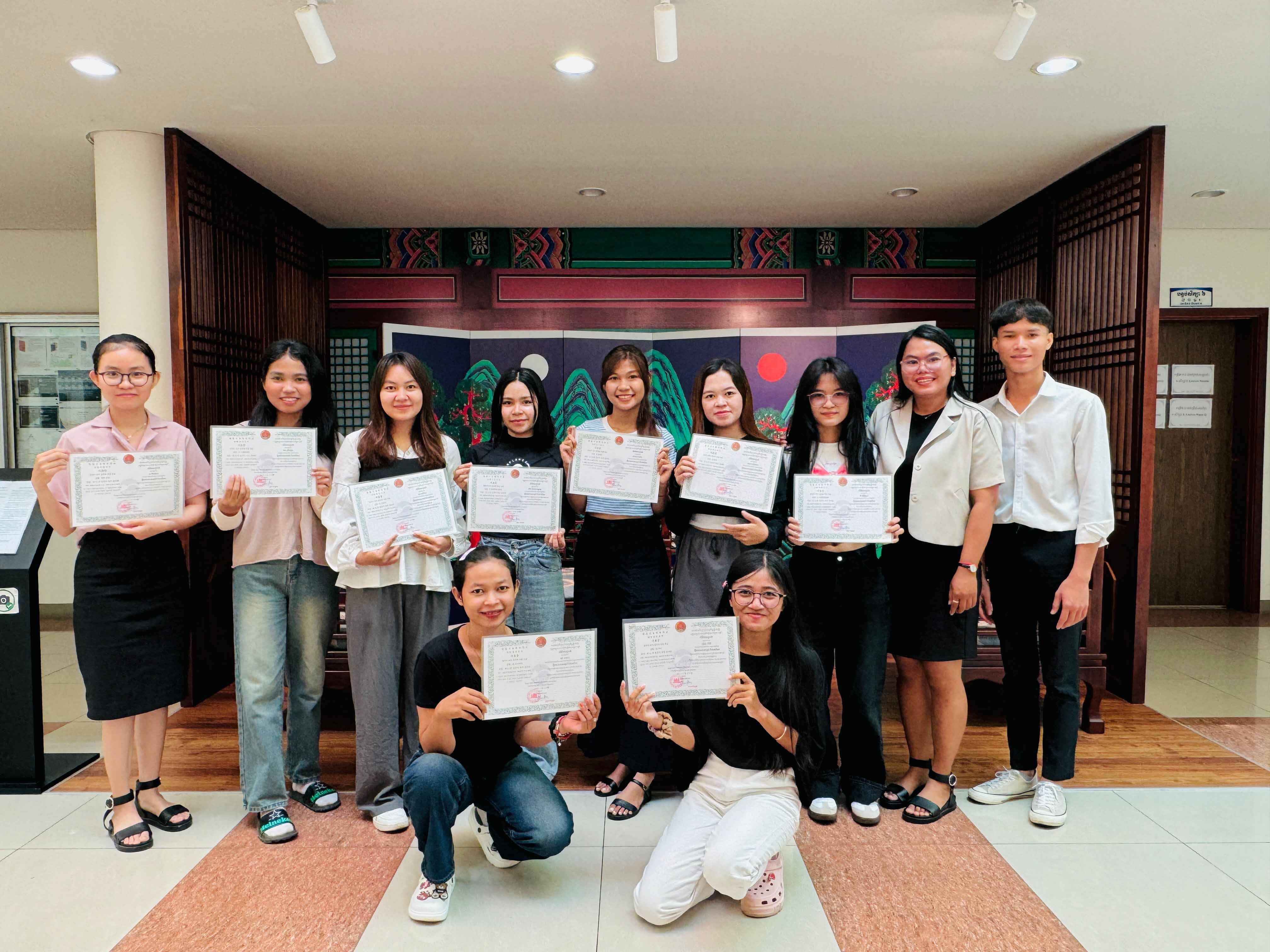
Welcome to Korean Reading Club
The CKCC Korean Reading Club is designed for beginner Korean learners to improve their Korean skills through guided reading activities. By reading Korean books and materials with support from instructors, participants can develop their pronunciation, vocabulary, reading comprehension, and confidence while building motivation and interest in Korean language learning.
For more information, Click Here
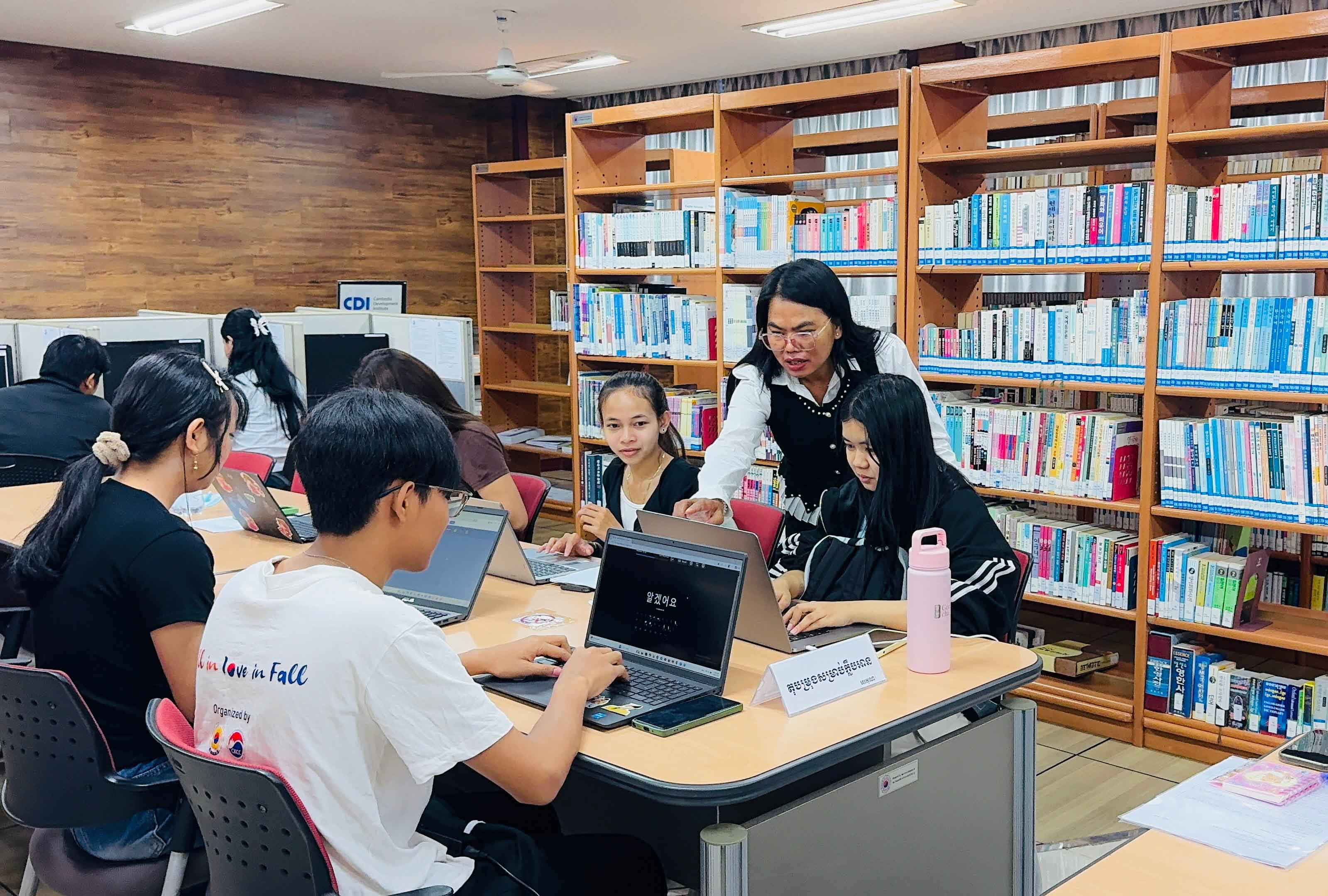
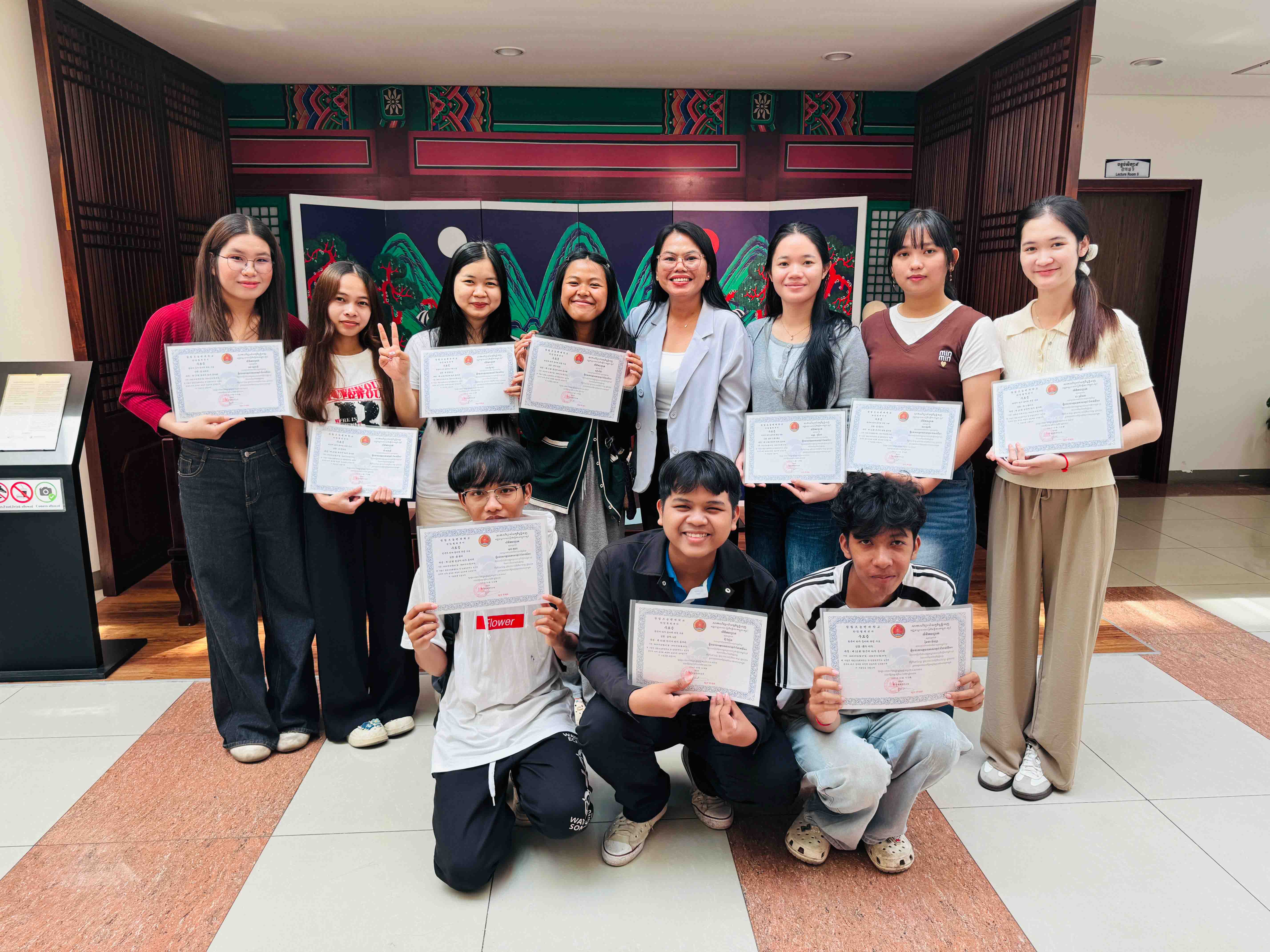
Welcome to Korean Typing Club
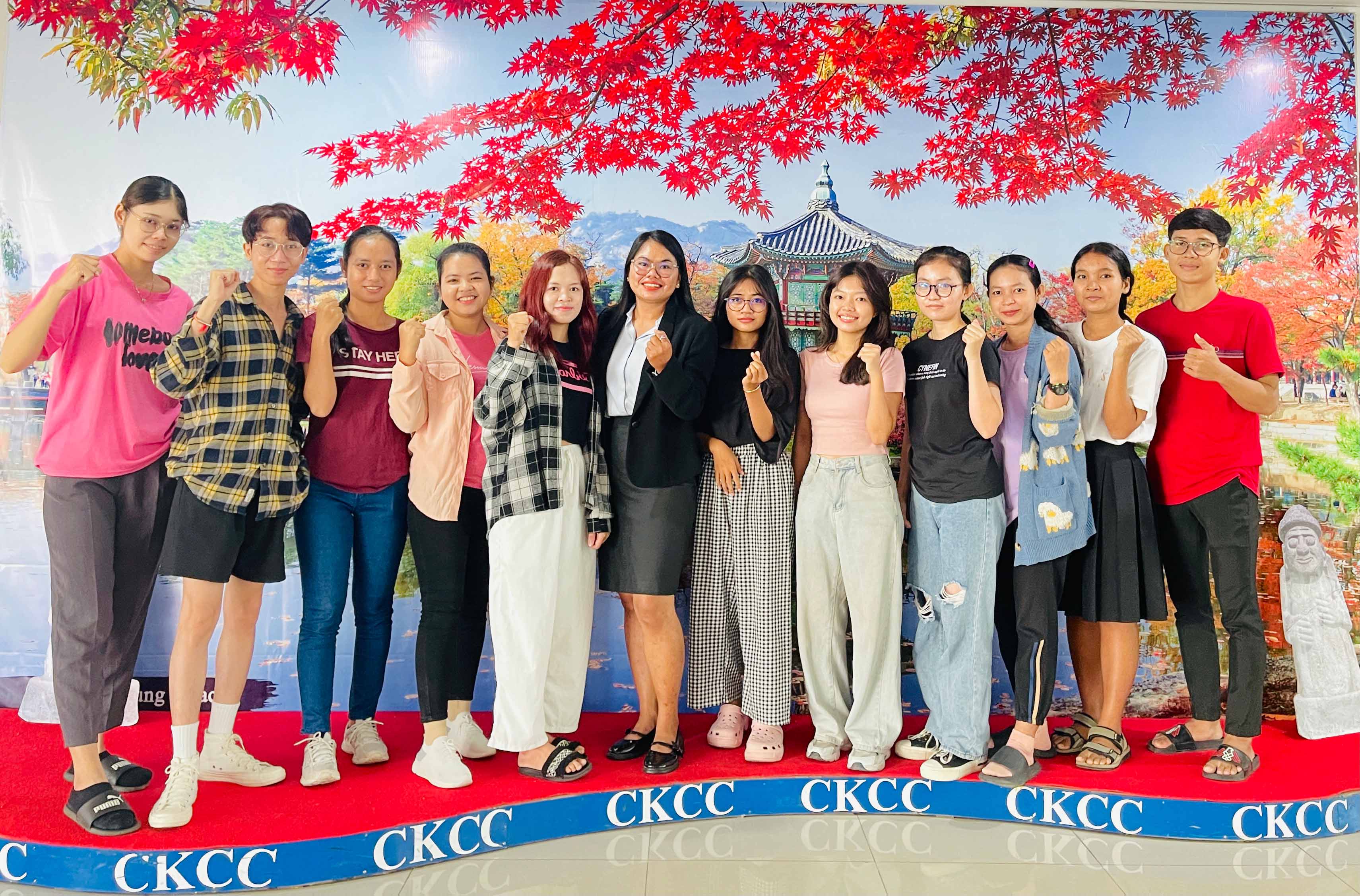
The CKCC Korean Typing Club is designed to help students develop their Korean typing skills for academic and professional purposes. Through step-by-step practice, participants will learn the basics of the Korean keyboard, improve typing accuracy and speed, and gain confidence in creating and managing Korean documents. With access to a well-equipped computer lab and practical training, students can apply their Korean typing skills to support their study, research, and future work involving Korean materials.
For more information, Click Here
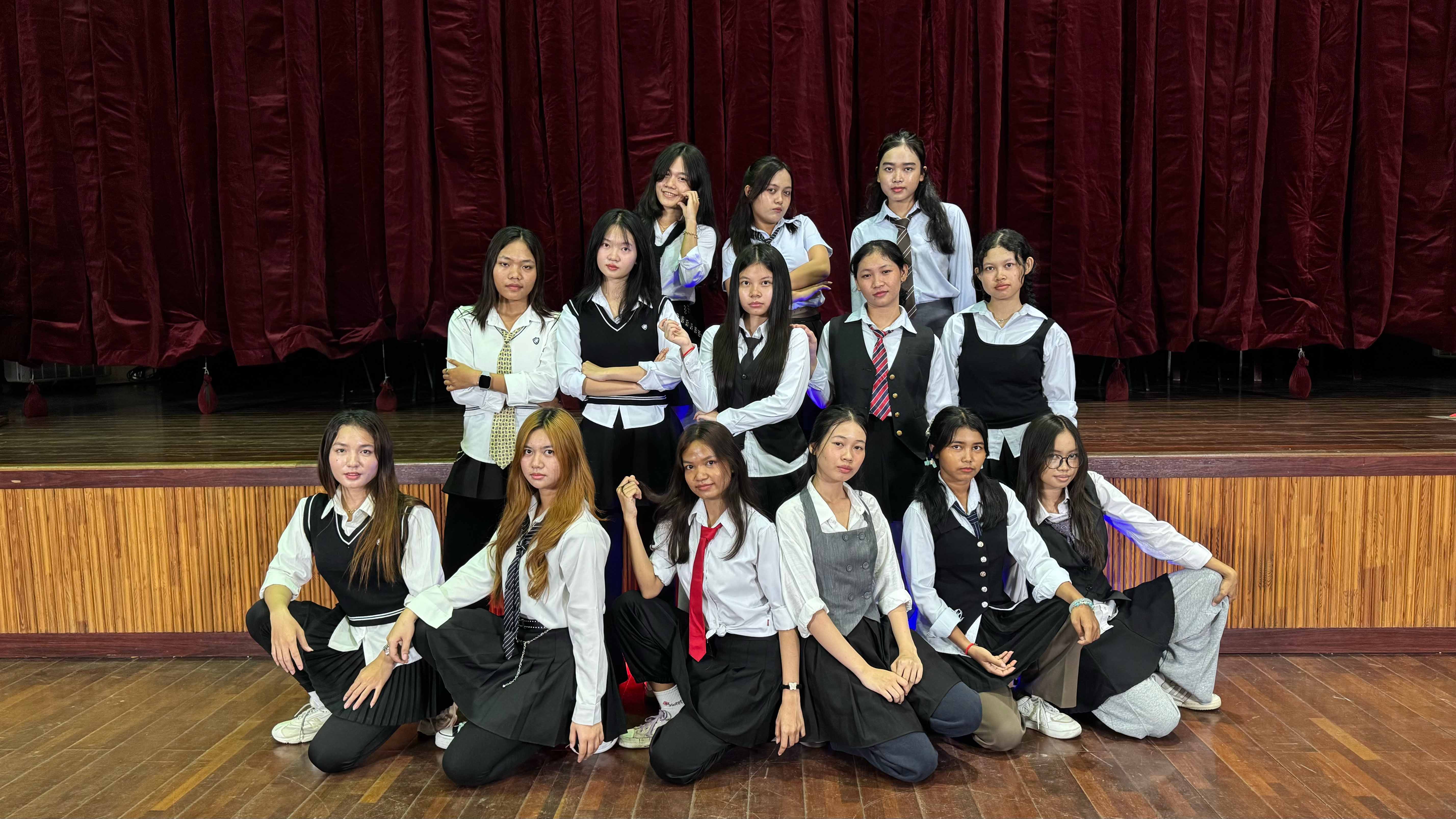
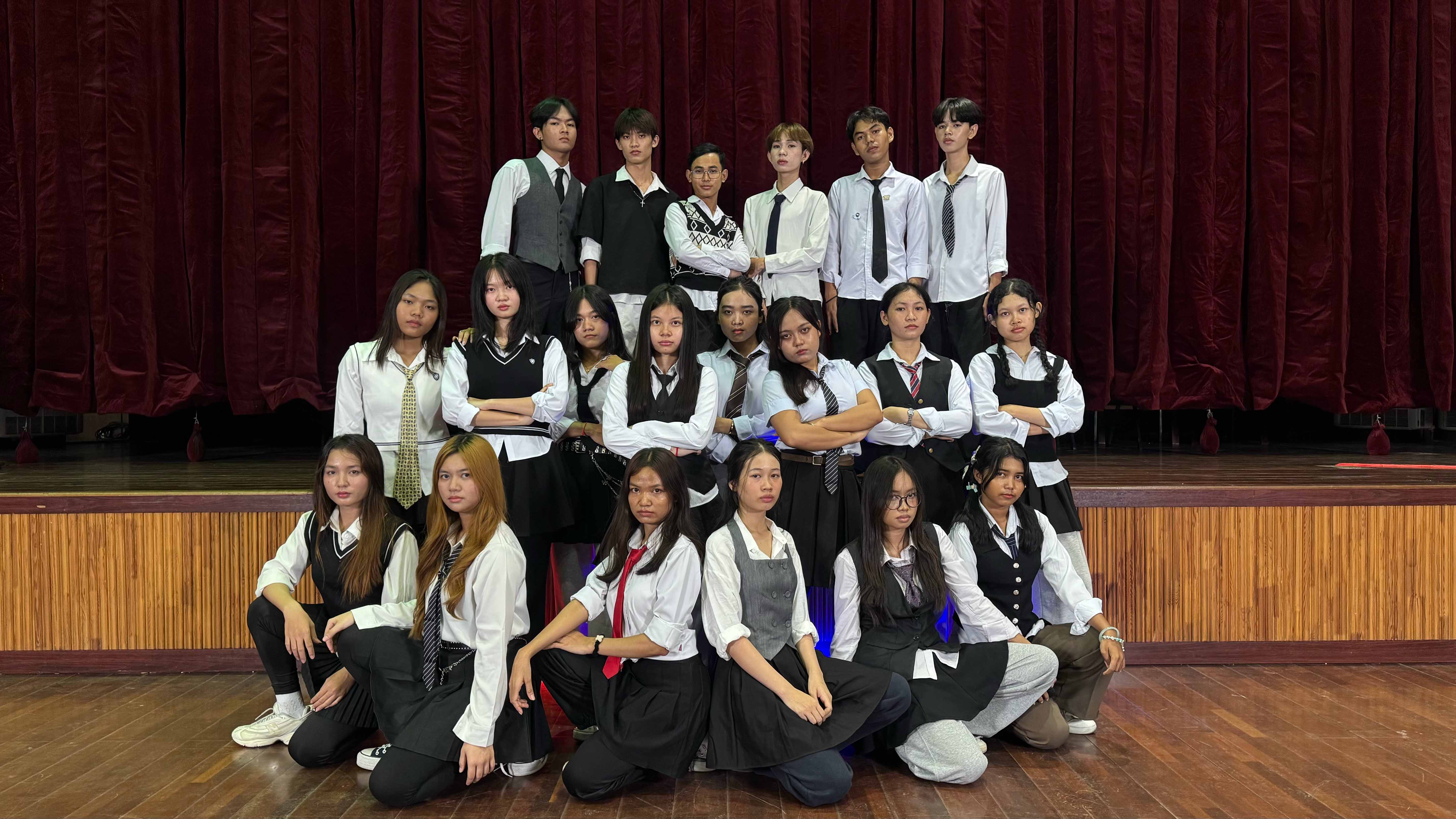
K-POP Dance Club
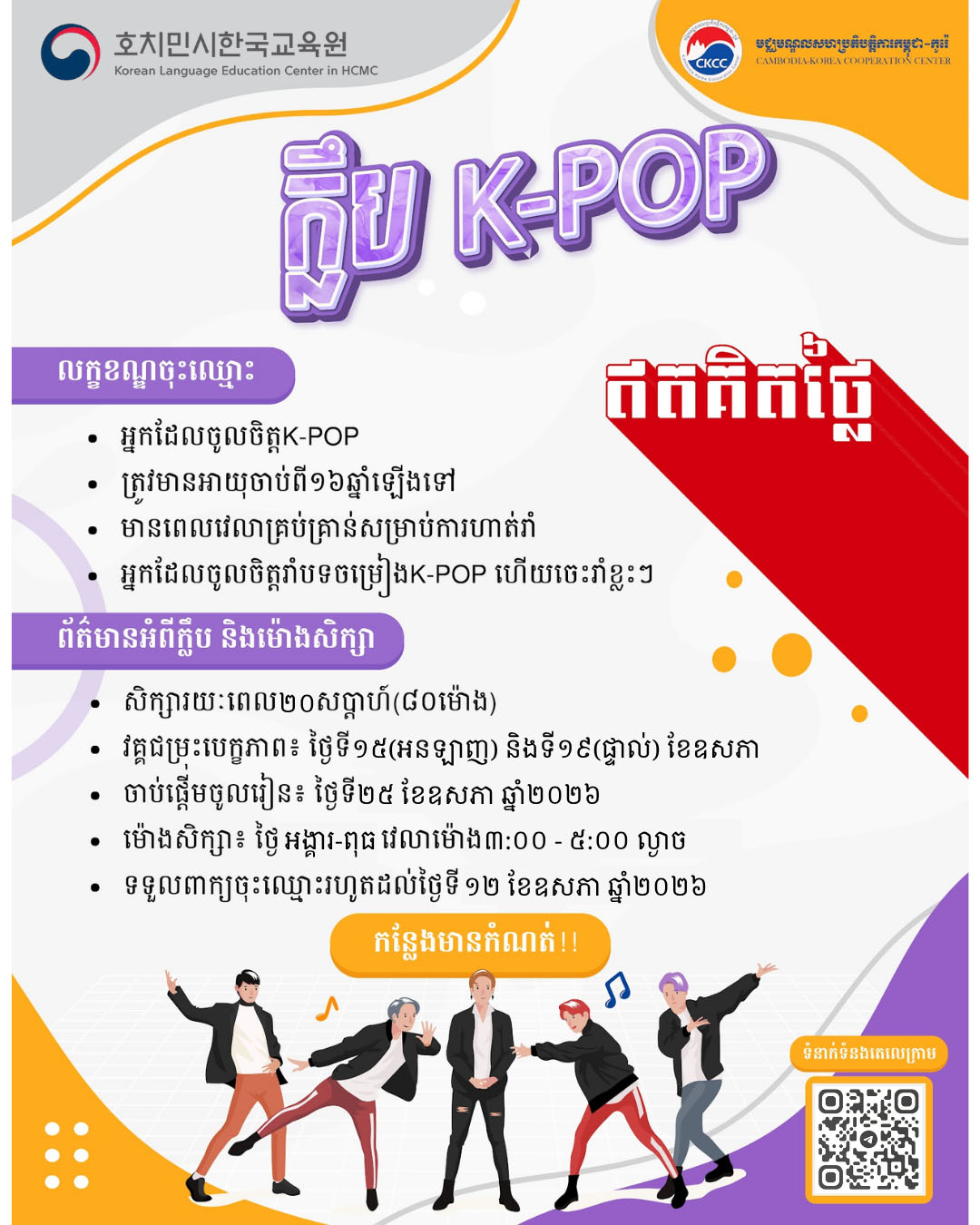
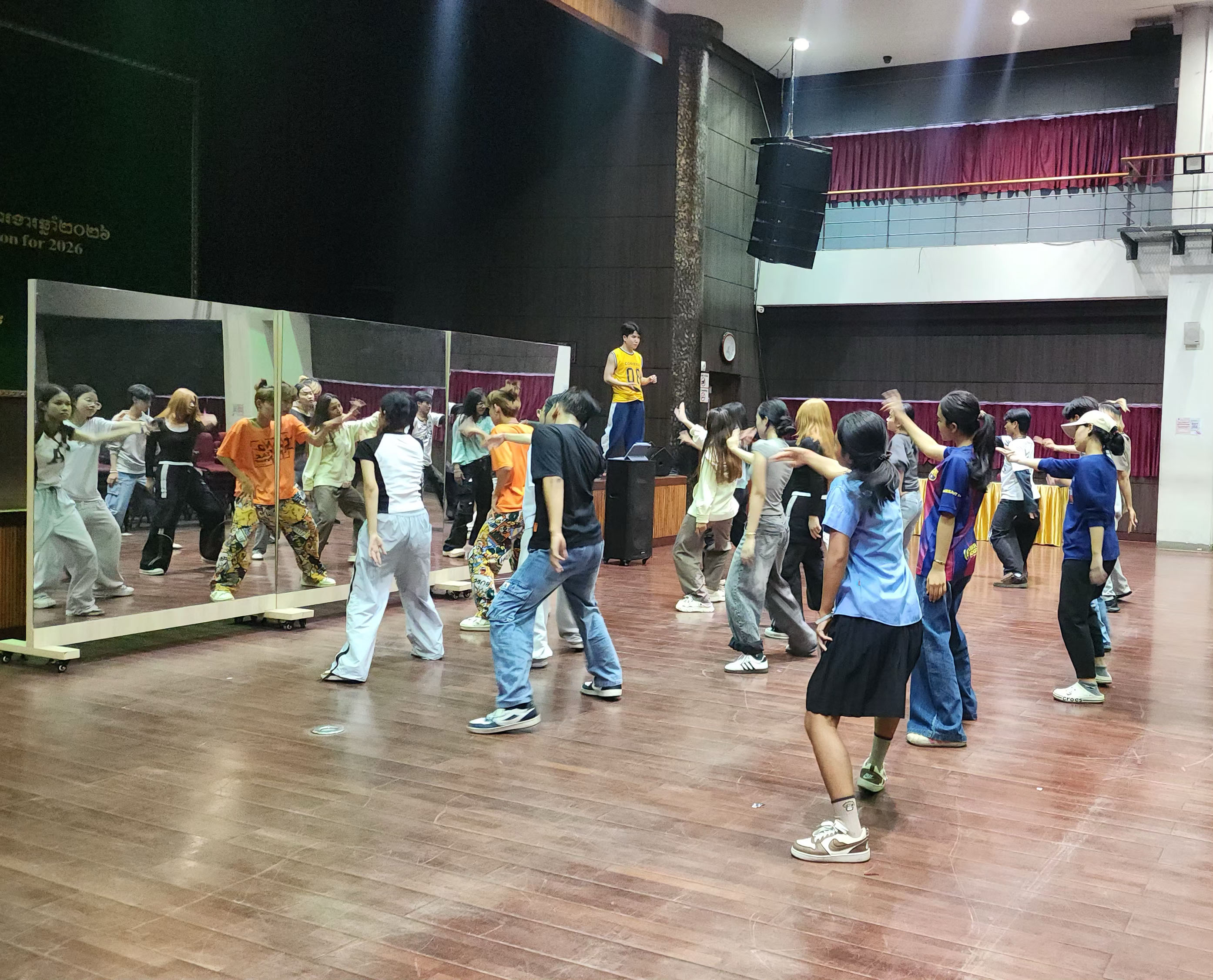
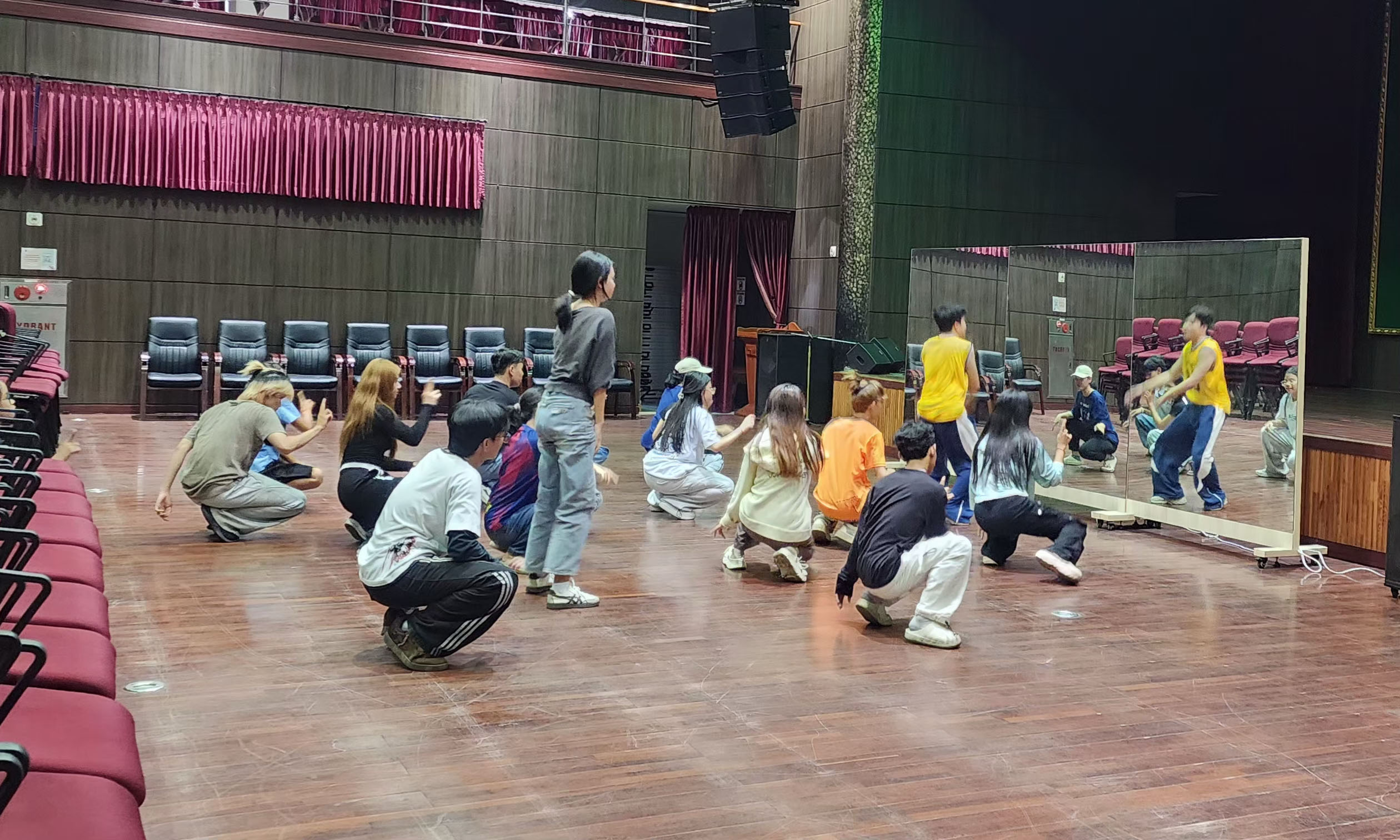
The K-POP Dance Club is a free dance program established and managed by the Cambodia-Korea Cooperation Center (CKCC), with financial support from the Korean Language Education Center in Ho Chi Minh City (KLECH). Professional dancers are invited to teach students who successfully pass the application process. Since its launch, the program has been conducted three times, providing students with opportunities to learn various K-pop dance performances from experienced instructors. Students who complete the program are also given the opportunity to perform at events organized by CKCC, allowing them to showcase their talents to the public and gain valuable stage experience. CKCC plans to continue operating the K-POP Dance Club independently or with the continued support of the Korean Language Education Center in Ho Chi Minh City, with the goal of introducing more students to the enjoyment and creativity of K-pop dance.
Events
Hello Spring 🌻
Spring is the first of the four seasons in Korea and is mainly from March to May. In Spring, the weather gets warm and new leaves sprout from the trees again. With natural changes, social life such a new semester also begins. Therefore, it refers to a new beginning in general as well. It is also likened to a hopeful future, good luck and the best time of your life
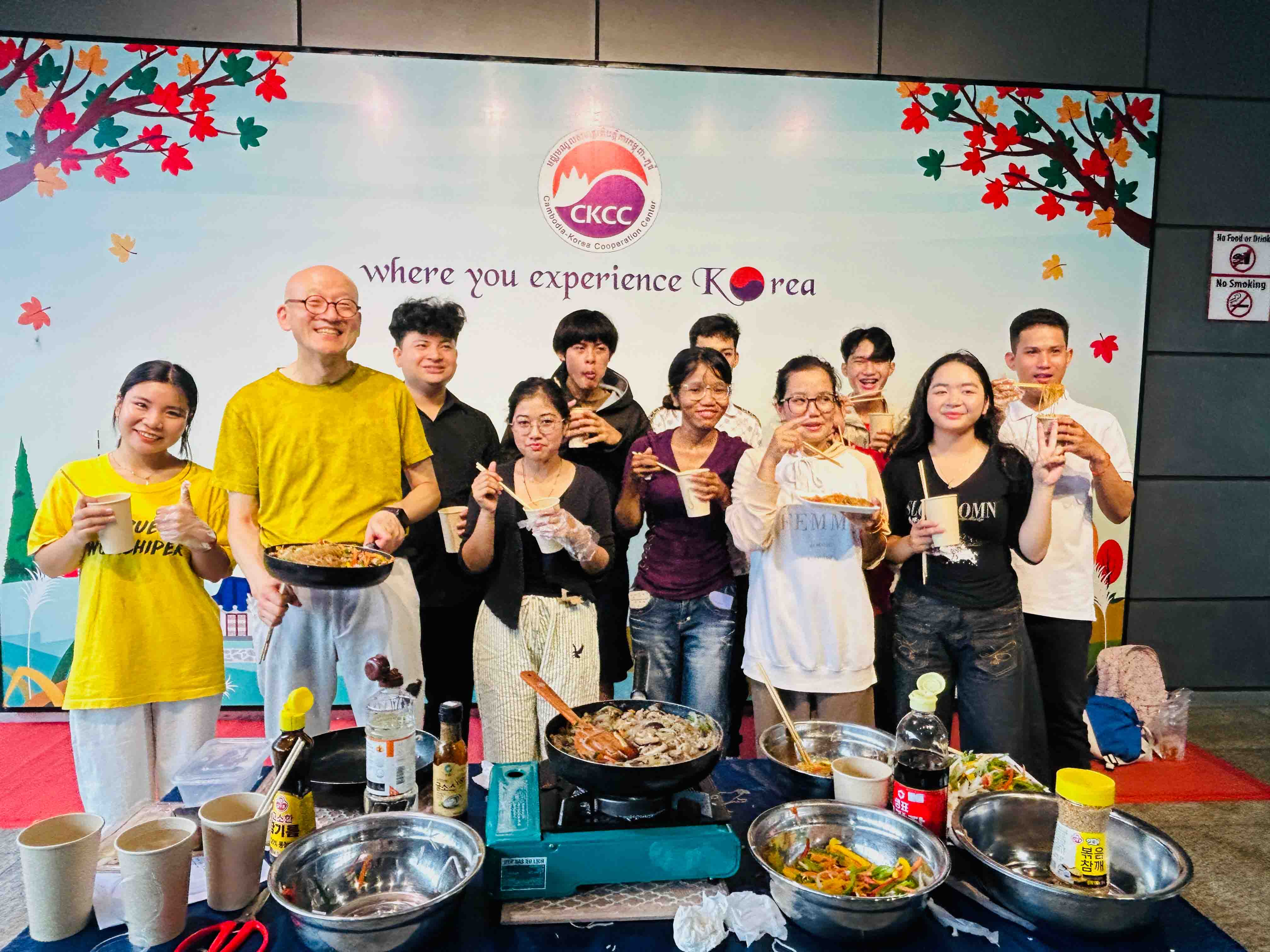
🌻 Cooking Contest: "Let's make Tteokbokki"
 Tteok-bokki (stir-fried rice cakes) is a popular Korean food from long, white, cylinder-shaped rice cakes called tteokmyeon ("rice cake noodles") Join and enjoy our Cooking Contest at the Spring Exhibition! | 🌻 Korean Calligraphy Class 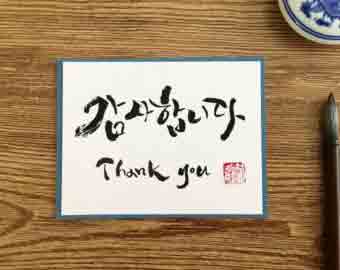 Korean Calligraphy is the Korean tradition of artistic writing. It is written using the Korean alphabets and Chinese characters
|
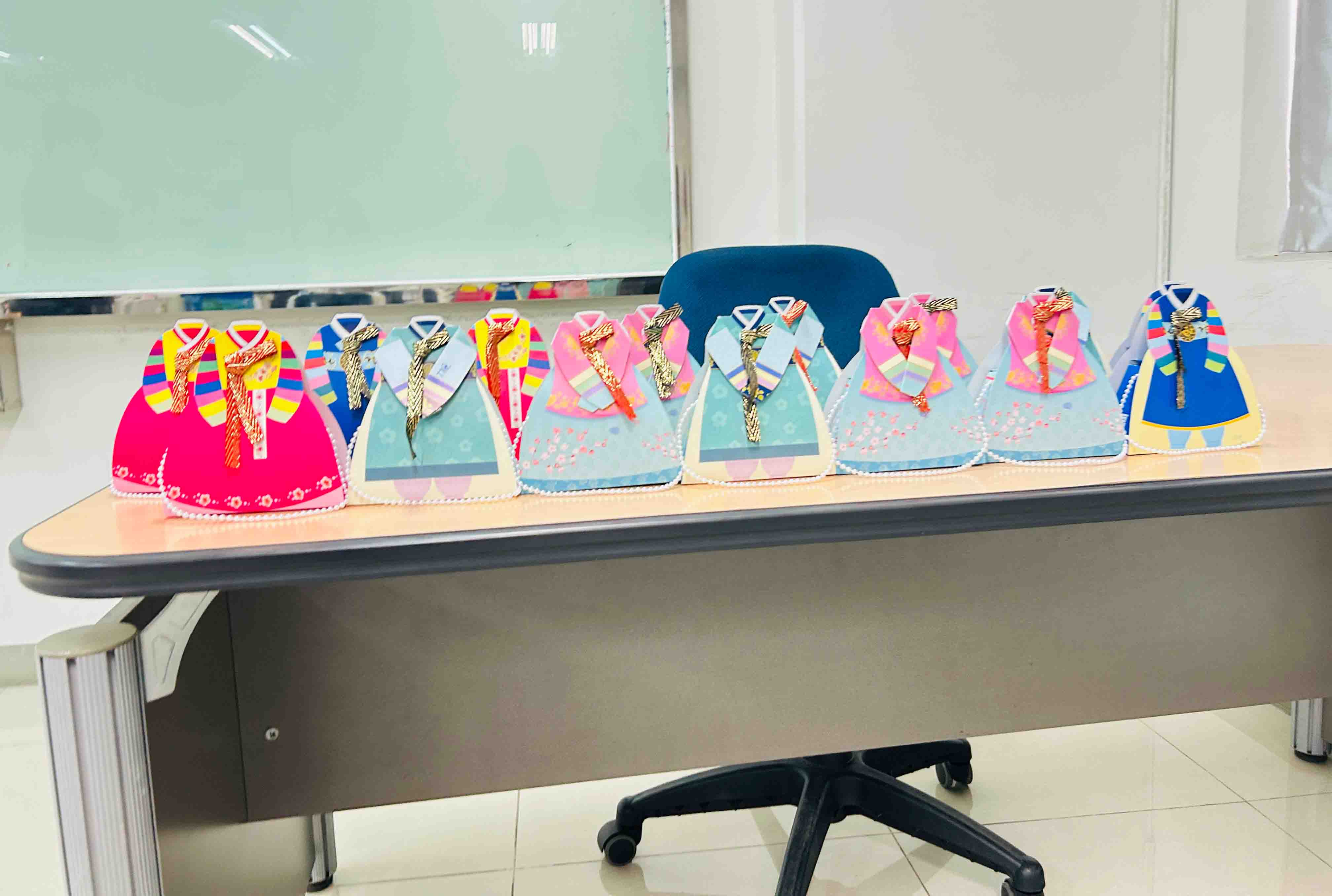
🌻 Hanbok ExperienceHanbok is a representative from of traditional Korean attire. It is characterized by vibrant colors and simple lines without pockets. Although the term literally means "Korean clothing", hanbok usually refers specifically to clothing of the Joseon period and is worn as semi-formal or formal wear during traditional festivals and celebrations. Korea had a dual clothing tradition in which rulers and aristocrats adopted different kinds of mixed foreign-influenced indigenous styles while commoners preserved a distinct style of indigenous clothing, today known as hanbok. 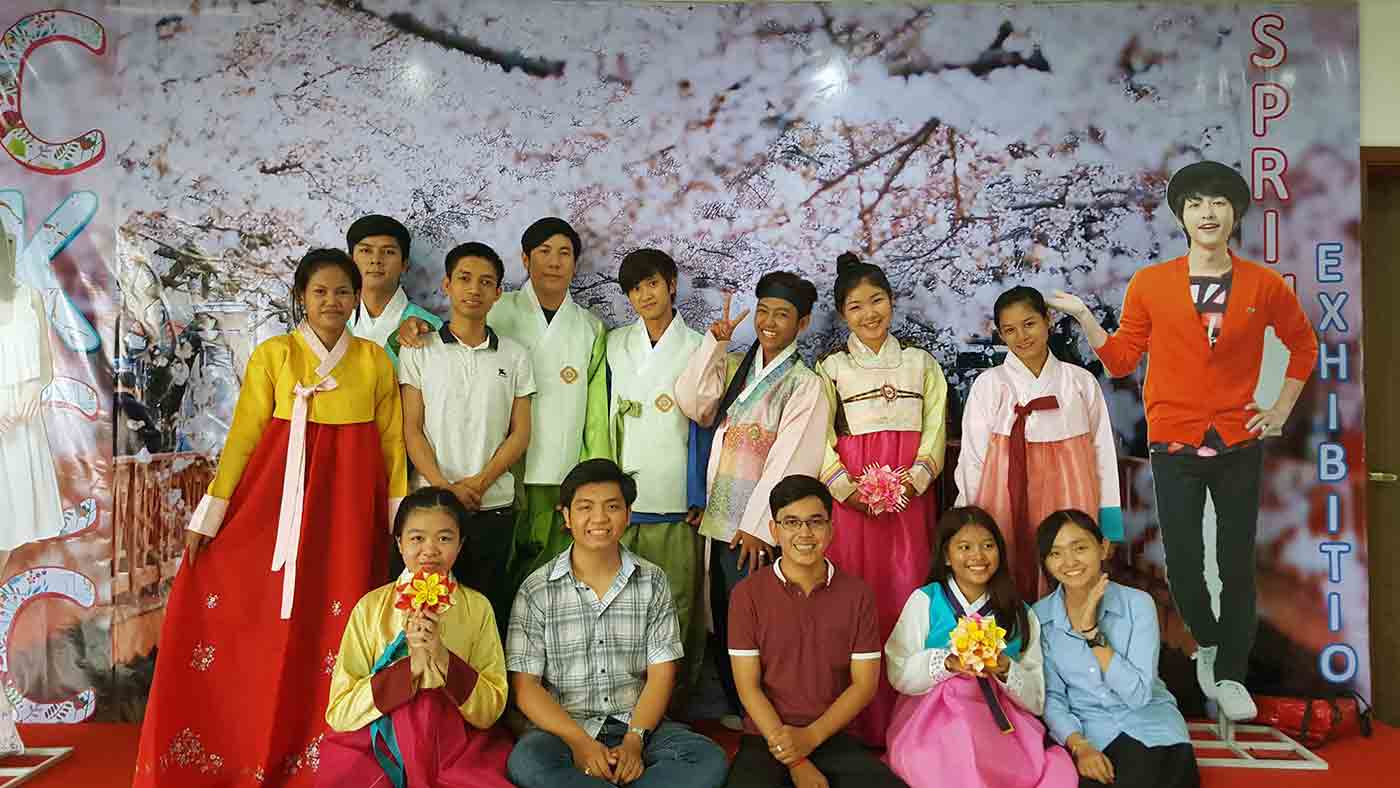 | 🌻 Tuho 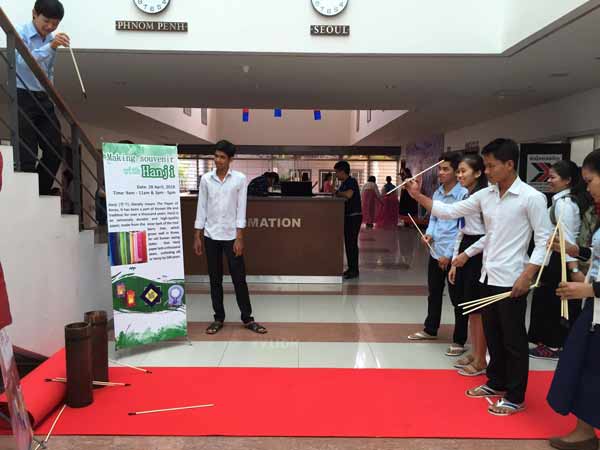 Tuho is a traditional East Asian game that requires players to throw sticks from a set distance into a large, sometimes ornate, canister. 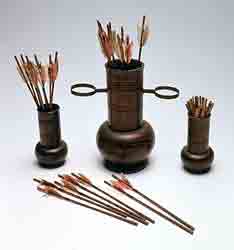 |
🌻 Souvenir Making 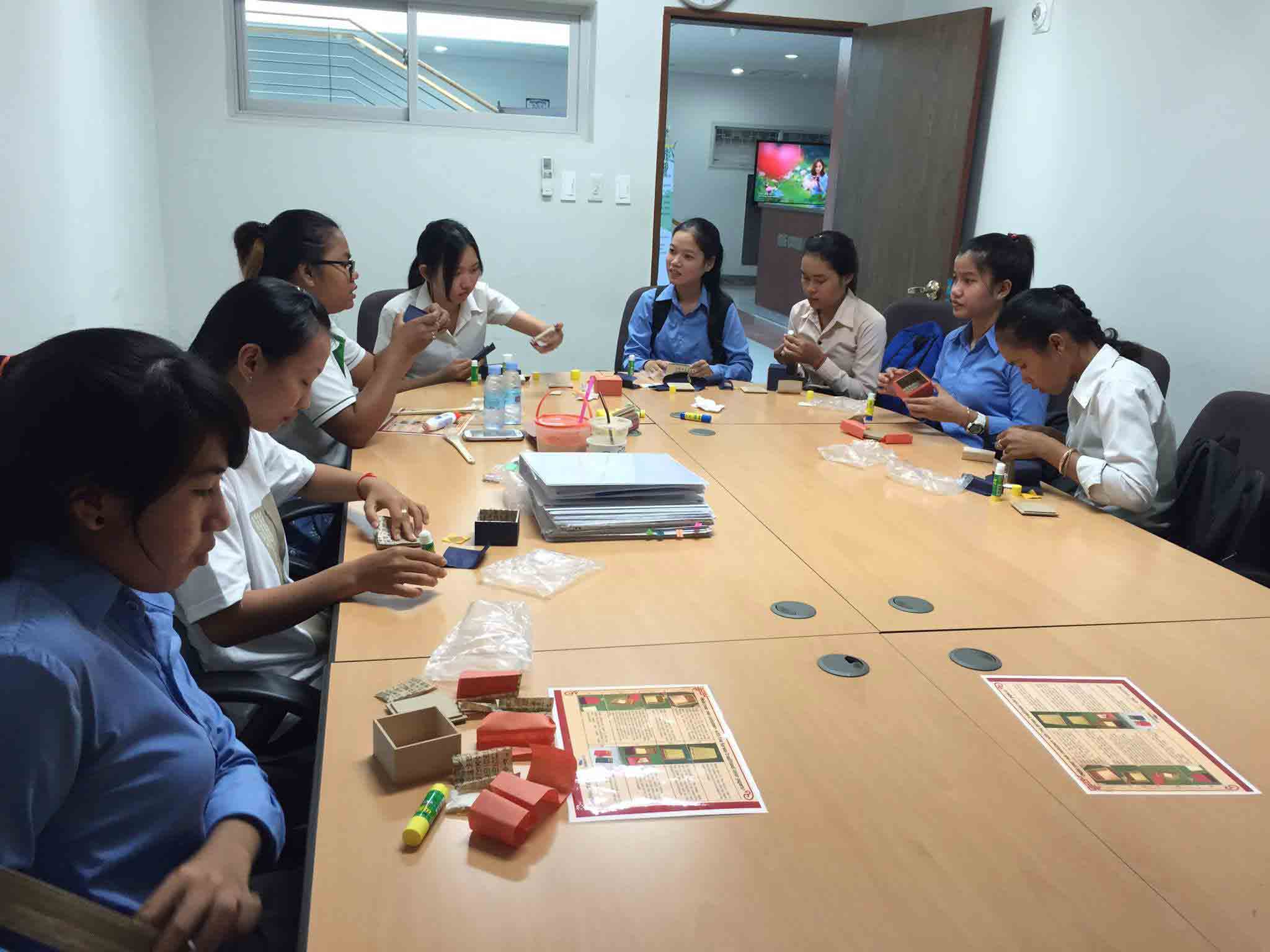 | 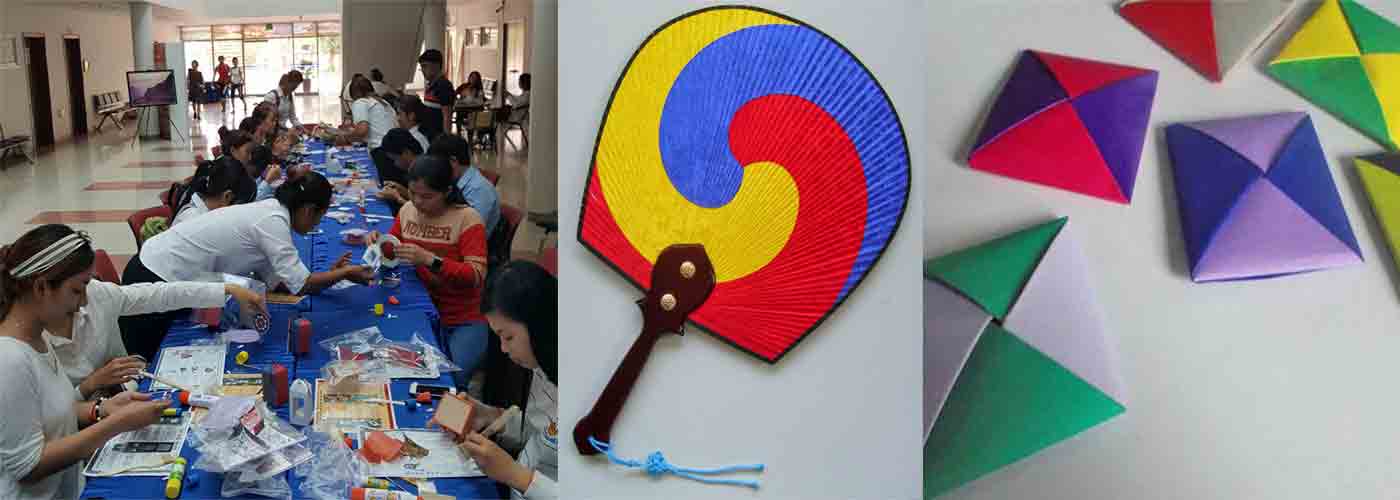 |
Hello Summer ☀
Summer is the second of four seasons in Korea, which is mainly from June to August. Summer brings muggy weather and heavy rain to the country, especially from late June to mid-July which is called “Jangma" (the summer rainy spell). Moreover, at the end of July, the temperatures rise rapidly, and people try to escape the heat by heading to the beach or valleys with their family and friends. We can say that summer is a season when Korean people enjoy their vacation.
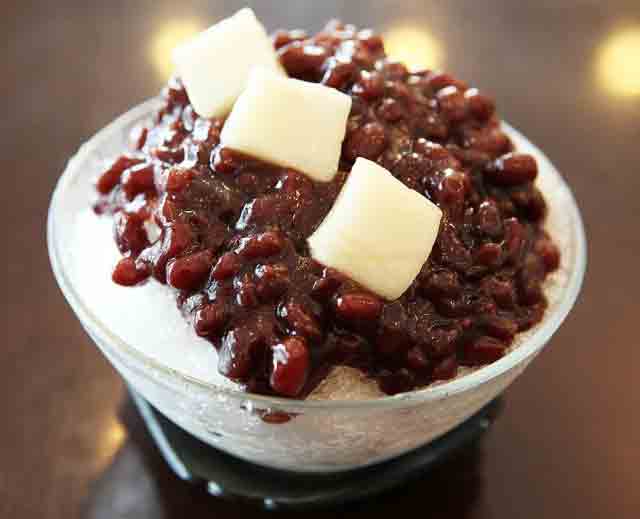
☀ Tasting Patbingsu
Patbingsu is one of the most popular summer desserts or snacks in Korea. It looks like a huge snow mountain in a bowl decorated with colorful fruits, sweet red beans, rice cake pieces, and sweet creamy condensed milk. If you feel exhausted from the summer heat, try making this. You’ll feel energetic again and your body temperature will drop. Add your favorite toppings to your patbingsu: fruit, jelly, rice cake pieces, roasted grain powder (misugaru), ice cream, sweetened condensed milk..
☀ Playing Korean Traditional Game Tuho
Tuho is a traditional East Asian game that requires players to throw sticks from a set distance into a large, sometimes ornate, canister
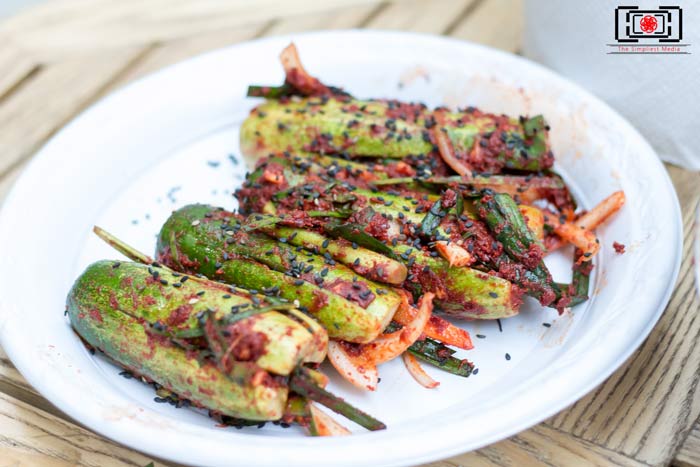
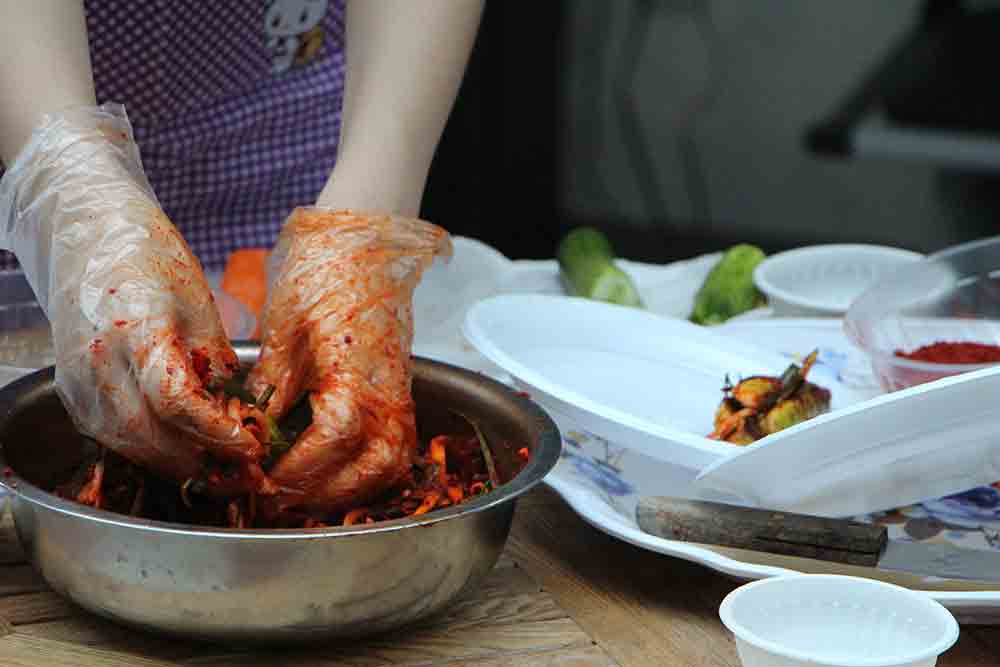
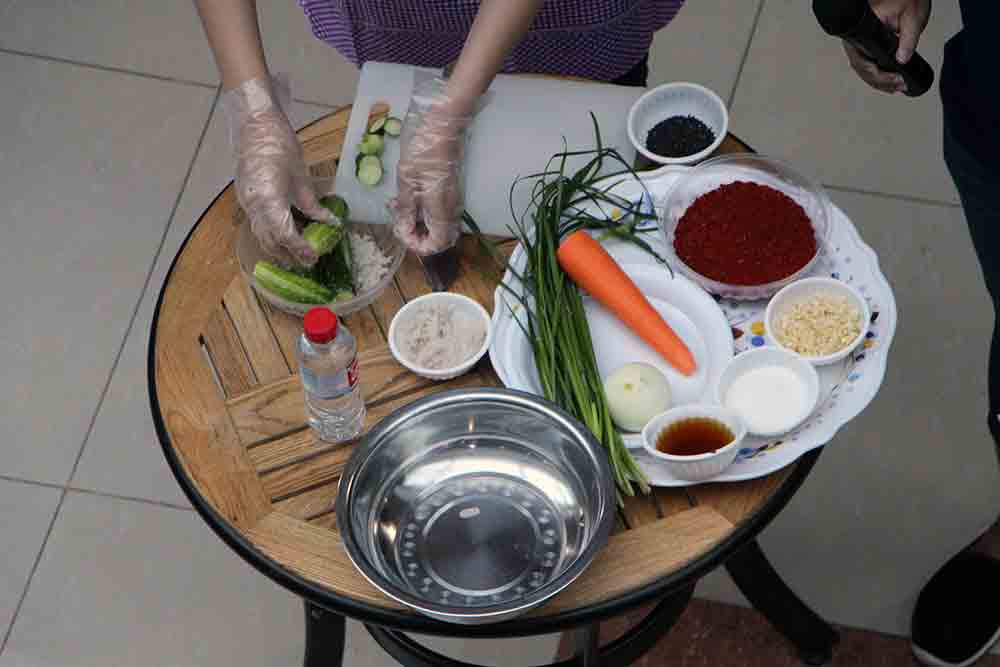
☀ Cooking: Summer Kimchi
Kimchi is a traditional Korean dish made of seasoned vegetables and salt. Koreans eat it at nearly every meal. It can be fresh, like a salad, or fermented. While the most popular variety is spicy cabbage kimchi, there are hundreds of different types of kimchi made with various vegetables, and not all of them spicy.
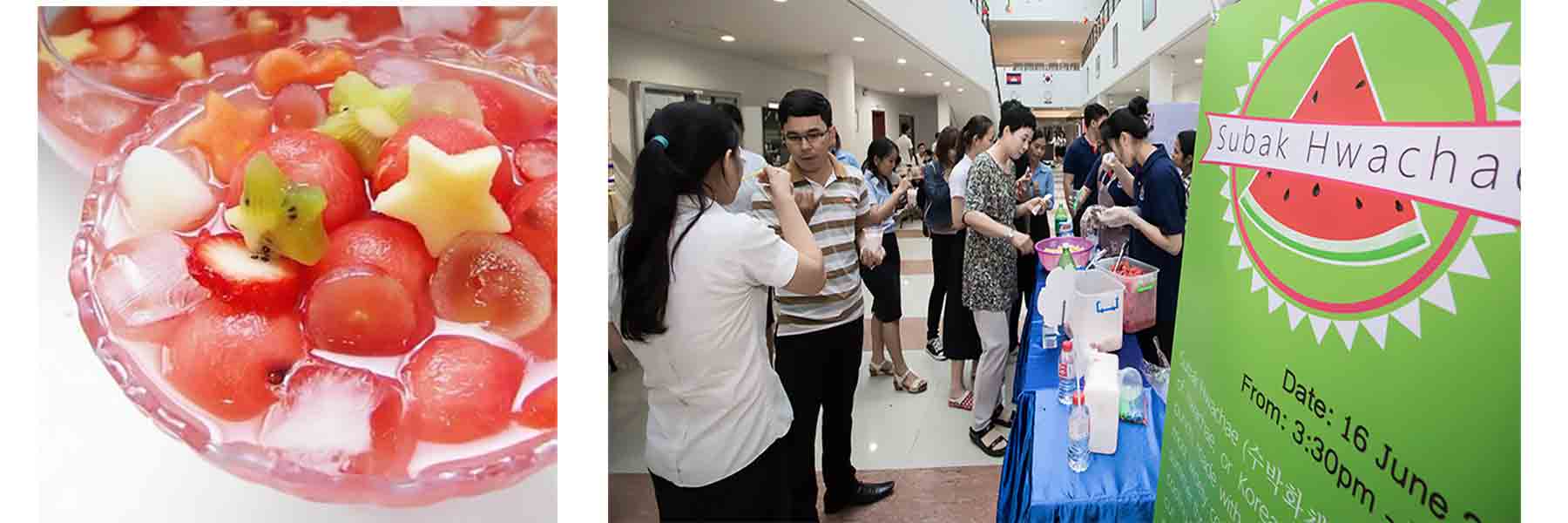
☀ Tasting Hwachae
Hwachae is a general term for traditional Korean fruit punch, made with various fruits or edible flower petals. The fruits and flowers are soaked in honeyed water or honeyed magnolia berry juice.
Hello Autumn 🍀
Autumn is the third of the of four seasons in Korea and mainly starts from September to November. Koreans call this season ‘The Season of Chun-Go-Ma-Bi’, which means the sky is high and the horses get fat. In other words, autumn of Korea is the season of clear and abundant (in harvest) due to new crops. Furthermore, the leaves on the trees have turned red and yellow. Therefore, we can feel autumn atmosphere everywhere.
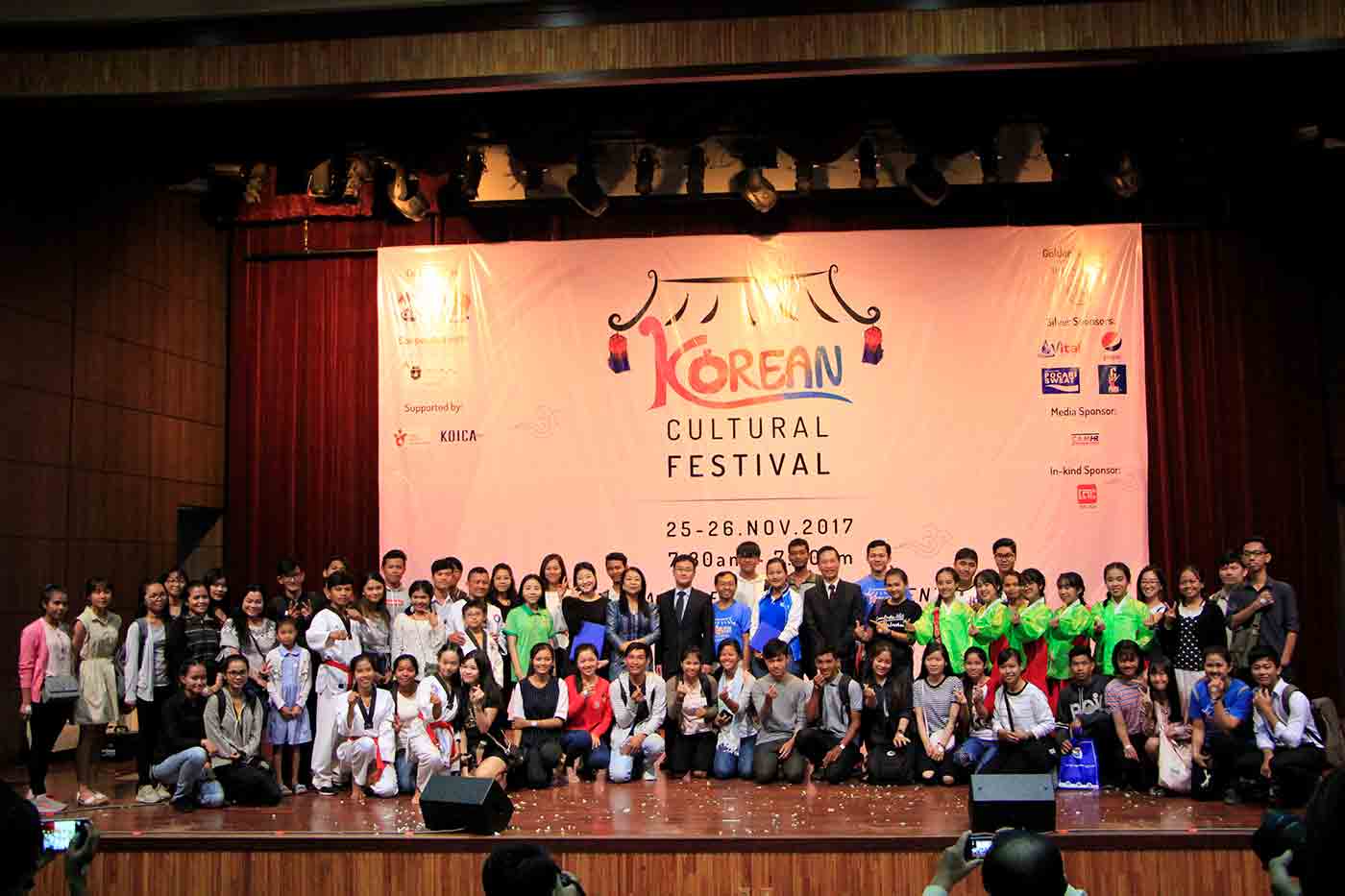
Korean Cultural Festival 🍀
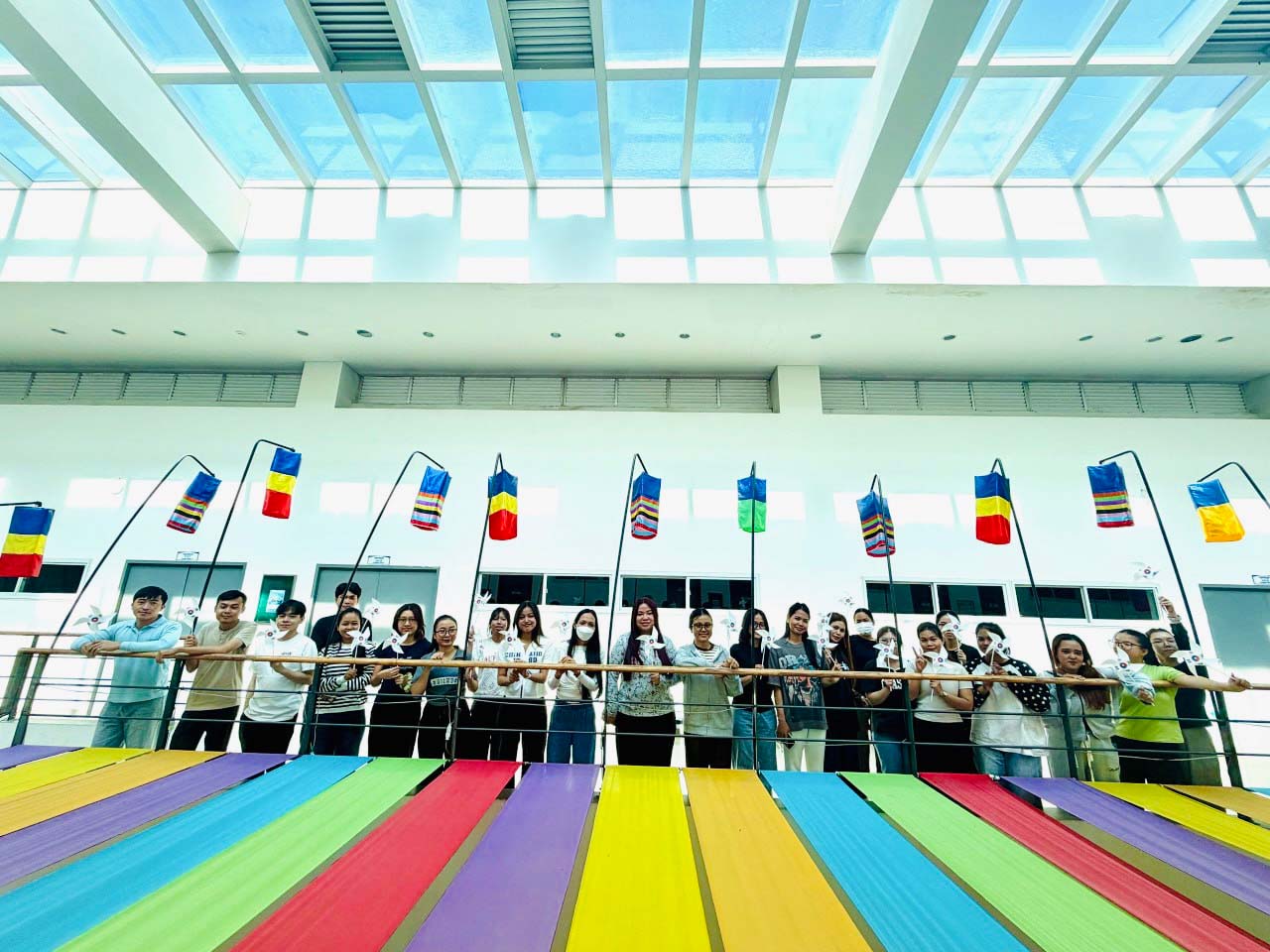
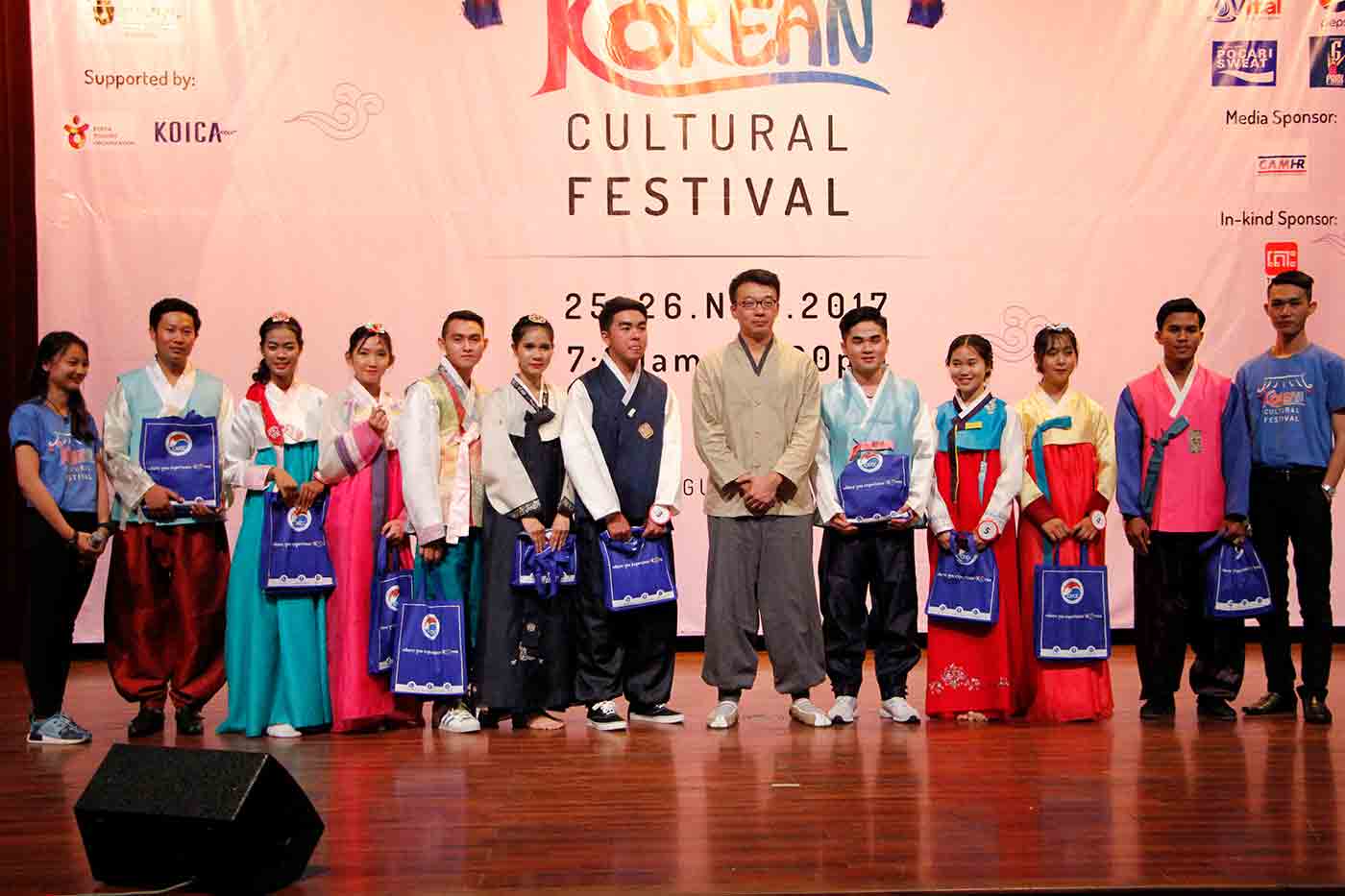
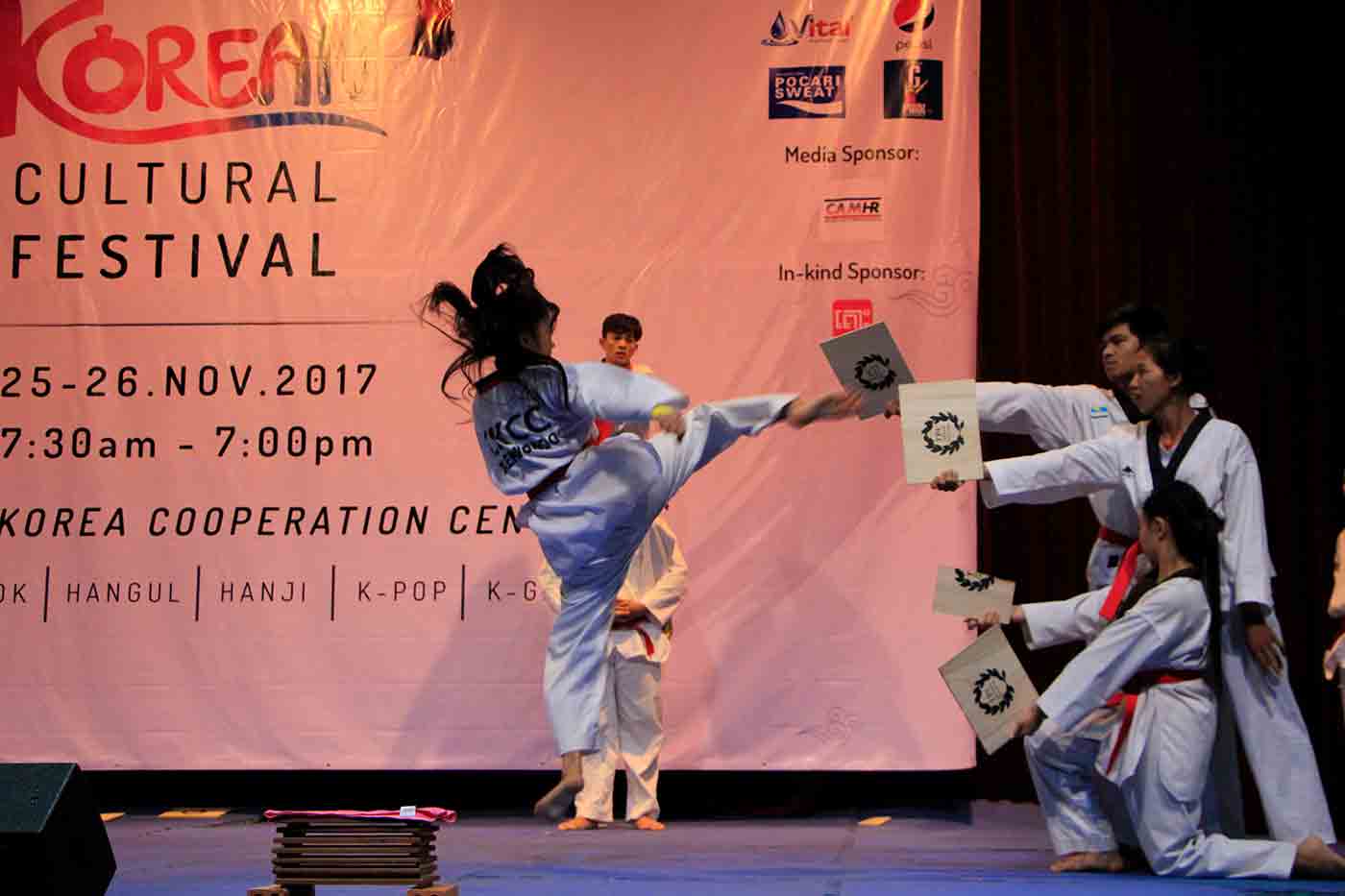
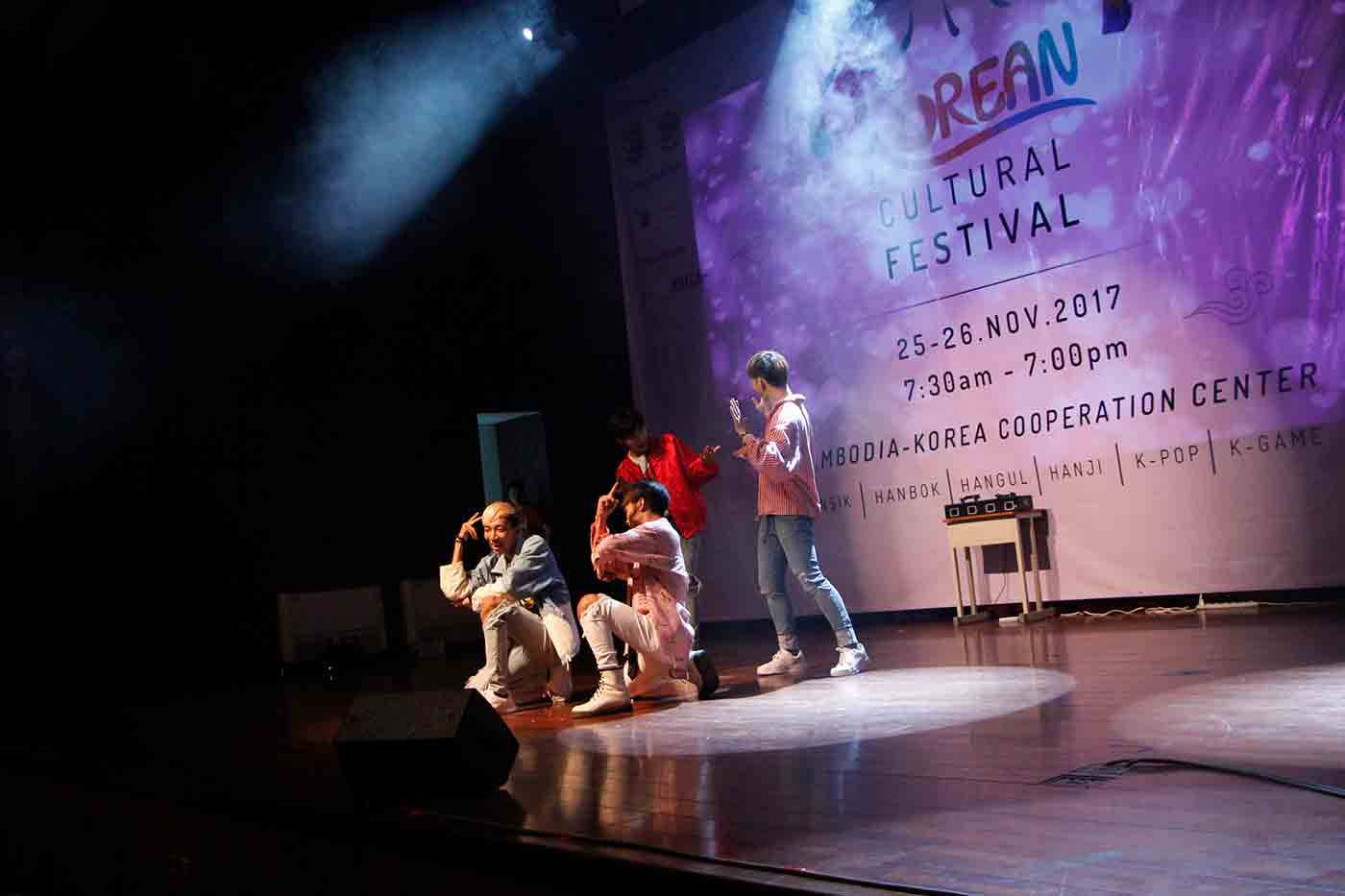
Korean Cultural Festival is the biggest annual event of CKCC that combines various Korean cultural activities. This event is designed to celebrate and share Korean cultural and artistic experiences with Cambodian citizens. This festival is celebrated annually during autumn season which is the best time to enjoy colorful scenery in Korea and also the arrival of cool dry season in Cambodia. During this two-day event, all participants can experience different cultural activities that will be divided into 7 different sections including Hangeul section, Hanbok section, Hansik section, Hanji section,
K-Pop section, K-tech section and K-Game section.
Besides these activities, all participants will never miss tasting delicious Korean foods and drinks that will be sold by Korean restaurants. Admission is free and everyone is welcome!
Harvest Moon Festival 🍀
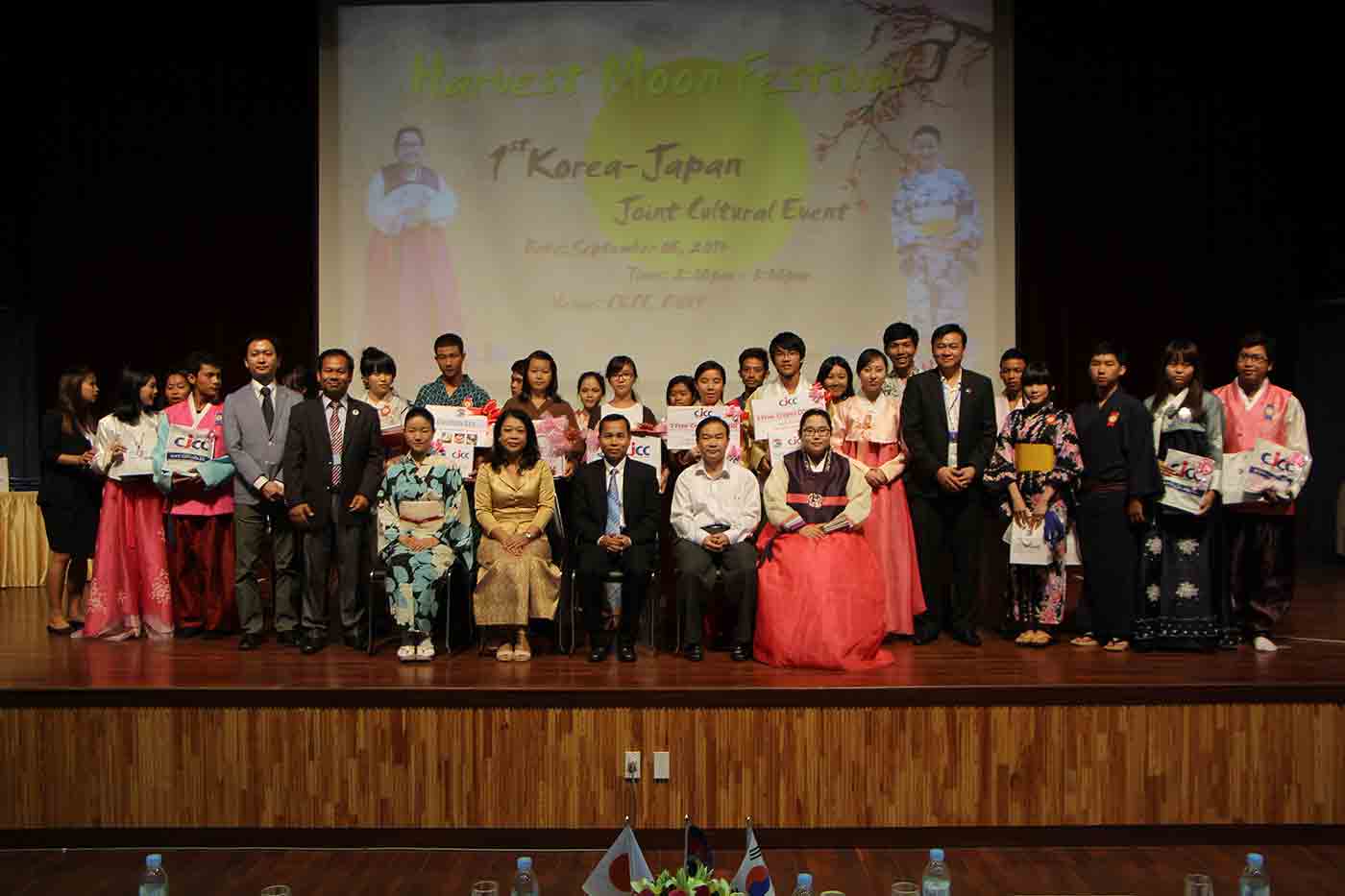
Korea-Japan Joint Cultural Event: Harvest Moon Festival, Cambodia-Korea Cooperation Center (CKCC) and Cambodia-Japan Cooperation Center (CJCC) have worked together in organizing the Korea-Japan Joint Cultural Event: Harvest Moon Festival. This cultural event showcases the wonderful traditions of two nations, Korea and Japan. In addition, the co-organization of this joint cultural event has strengthened the good relationship and sense of cooperation between CKCC and CJCC.
History
Harvest Moon Festival or Chuseok Harvest Moon Festival or Chuseok is a major harvest festival and a three-day holiday in Korea celebrated on the 15th day of the 8th month of the lunar calendar. This biggest Thanksgiving Day in Korea was celebrated for the first time at CKCC in September 2013. After receiving a big success, in the second year, CKCC made a friendship collaboration with Cambodia-Japan Cooperation Center (CJCC) by converting this event to become the Korea-Japan Joint Cultural Event. This special event is the very first event that all participants could experience both Korean and Japanese cultures at the same time. To this day, the Harvest Moon Festival has become an annual event that CKCC and CJCC strive to celebrate altogether to express the sense of harmony and unity between both organizations as well as between all three nations, Cambodia, Korea and Japan, as a whole. Every year, around 500 to 600 participants have joined this special event to enjoy many traditional performances, taste great foods and drinks, and have a lot of fun with many surprising games.
|  |
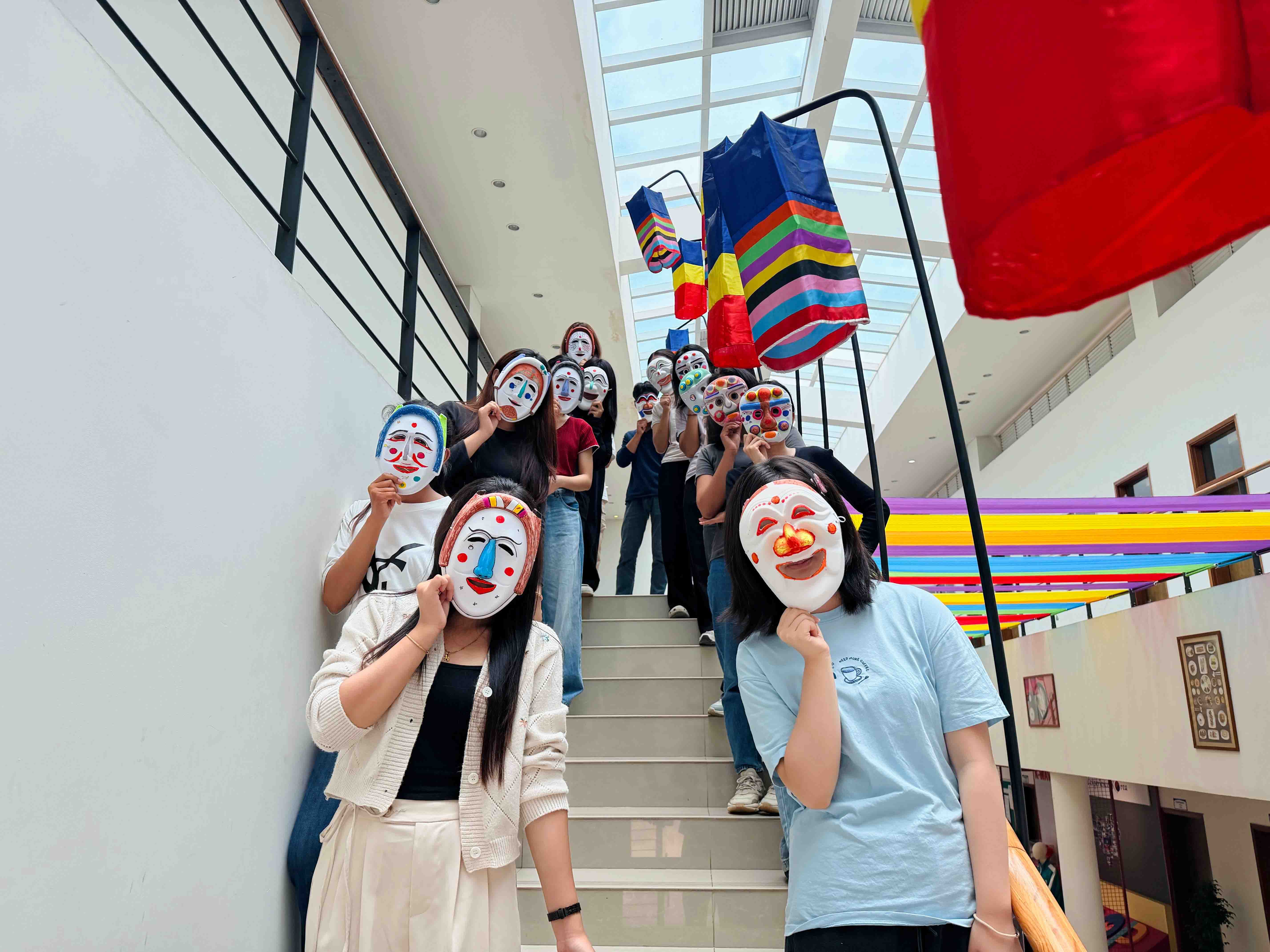
🍀 Mask Painting
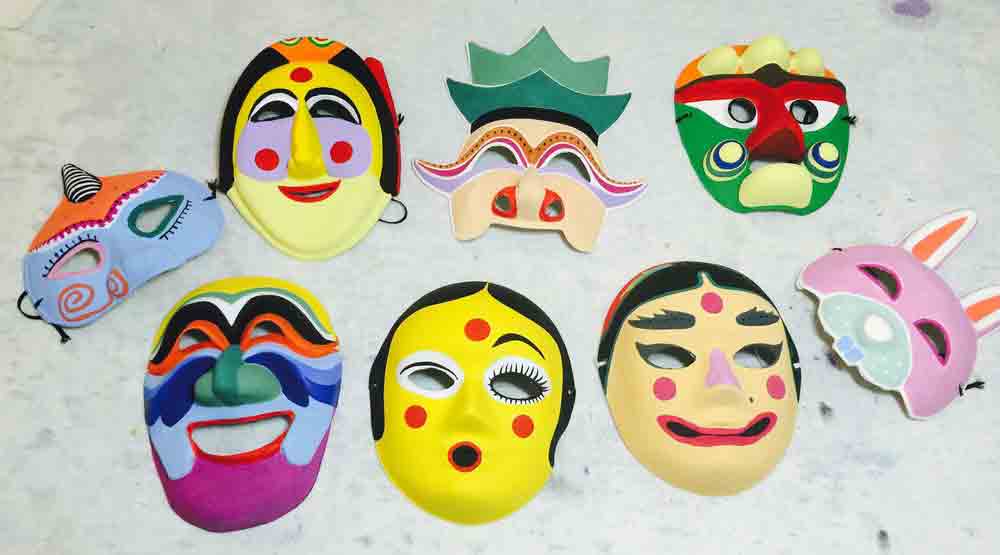
Korean Traditonal masks have a long tradition with the use in a variety of contexts. Masks are called tal in Korean, but they are also known by many other names such as gamyeon, gwangdae, chorani, talbak and talbagaji. Korean Masks come with black cloth attached to the sides of the mask designed to cover the back of the head and to simulate black hair.
We paint the traditional masks for our Autumn exhibition. Let's enjoy this event.
Pajeon is a variety of jeon with scallion as its prominent ingredient, as "pa" (파) means scallion. It is a Korean dish made from mixure of eggs, wheat flour, rice flour, scallions, and often other ingredients depending on the variety. Beef, pork, kimchi, shellfish, and other seafood are mostly used. ene ingredients, such as squid, dominates the jeon, the name will reflect that ojing'eo-jeon is ‘squid jeon.’
Gallery of Hallyu Day
 |  |  |
 |  |  |
Winter is the forth season of the four seasons in Korea and is mainly from December to February. In winter, the night grow longer is lengthened and the temperature drops below zero and snow falls. The most important thing for Koreans in winter is making Kimchi to eat through next spring. This activity is called Kimjang. In the snowy regions of Gangwon and Gyeonggi provinces, many people visit and enjoy winter sports such as skiing and snowboarding.
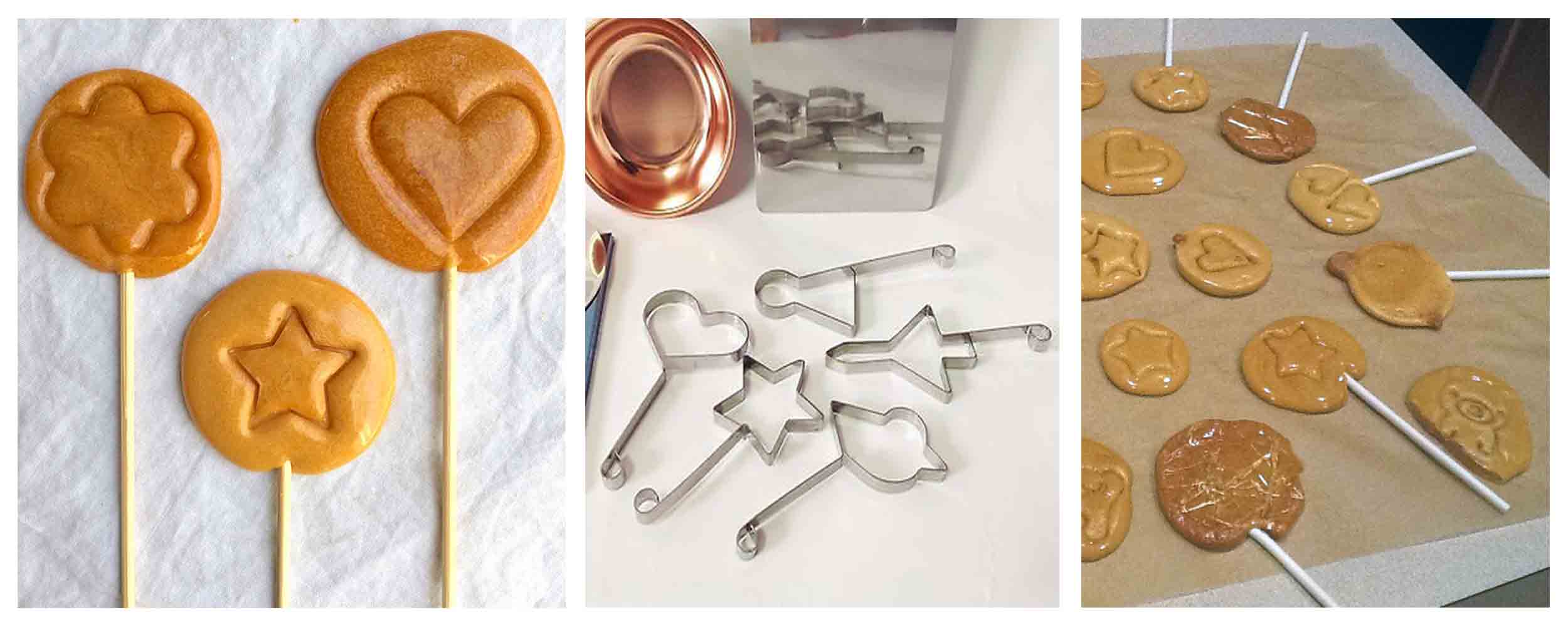
❄ Making Dalgona
Dalgona is traditional Korean sugar candy made with caramelized sugar and baking soda.
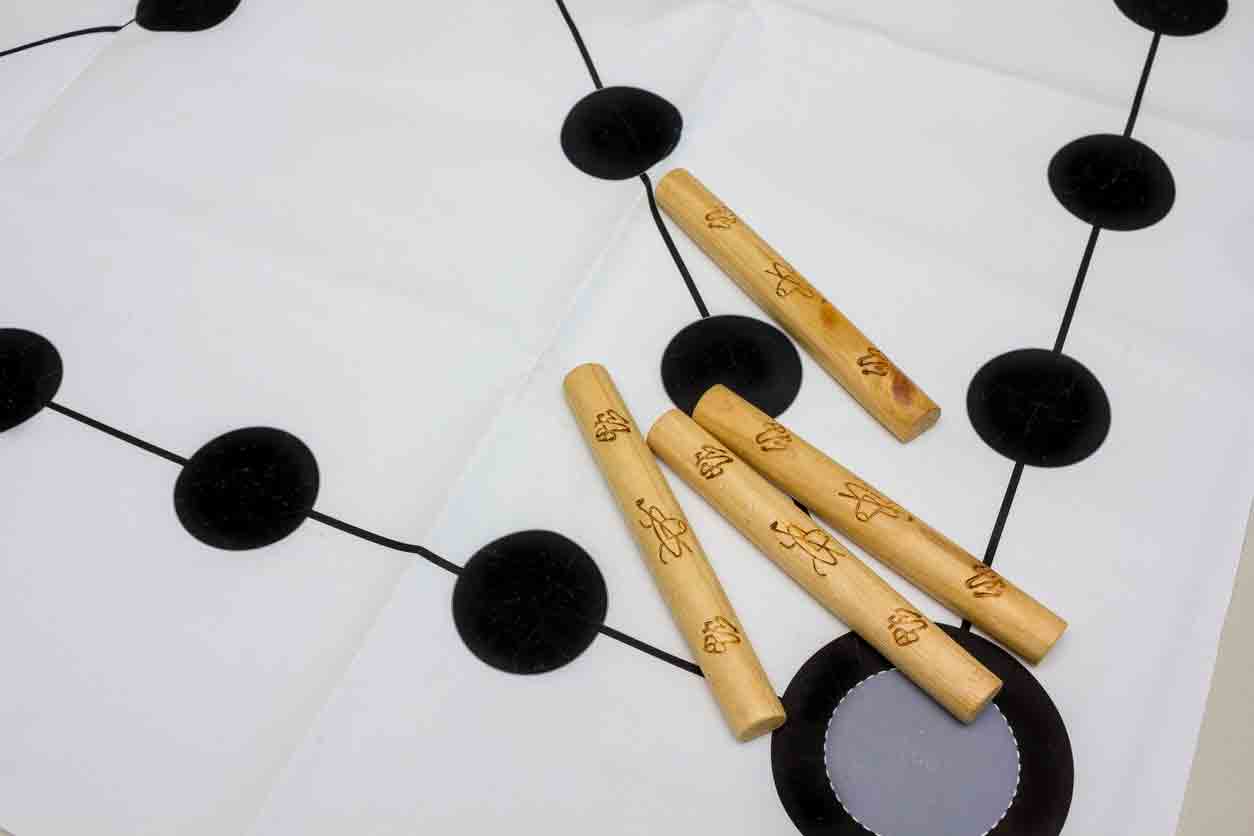
❄ Traditional Game Yut-nori
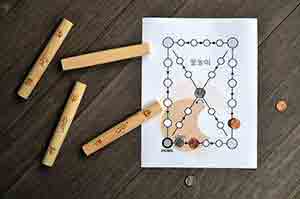
Yut-nori is a traditional board game played in Korea, especially during the Korean New Year. The game is also called cheok-sa or sa-hee.
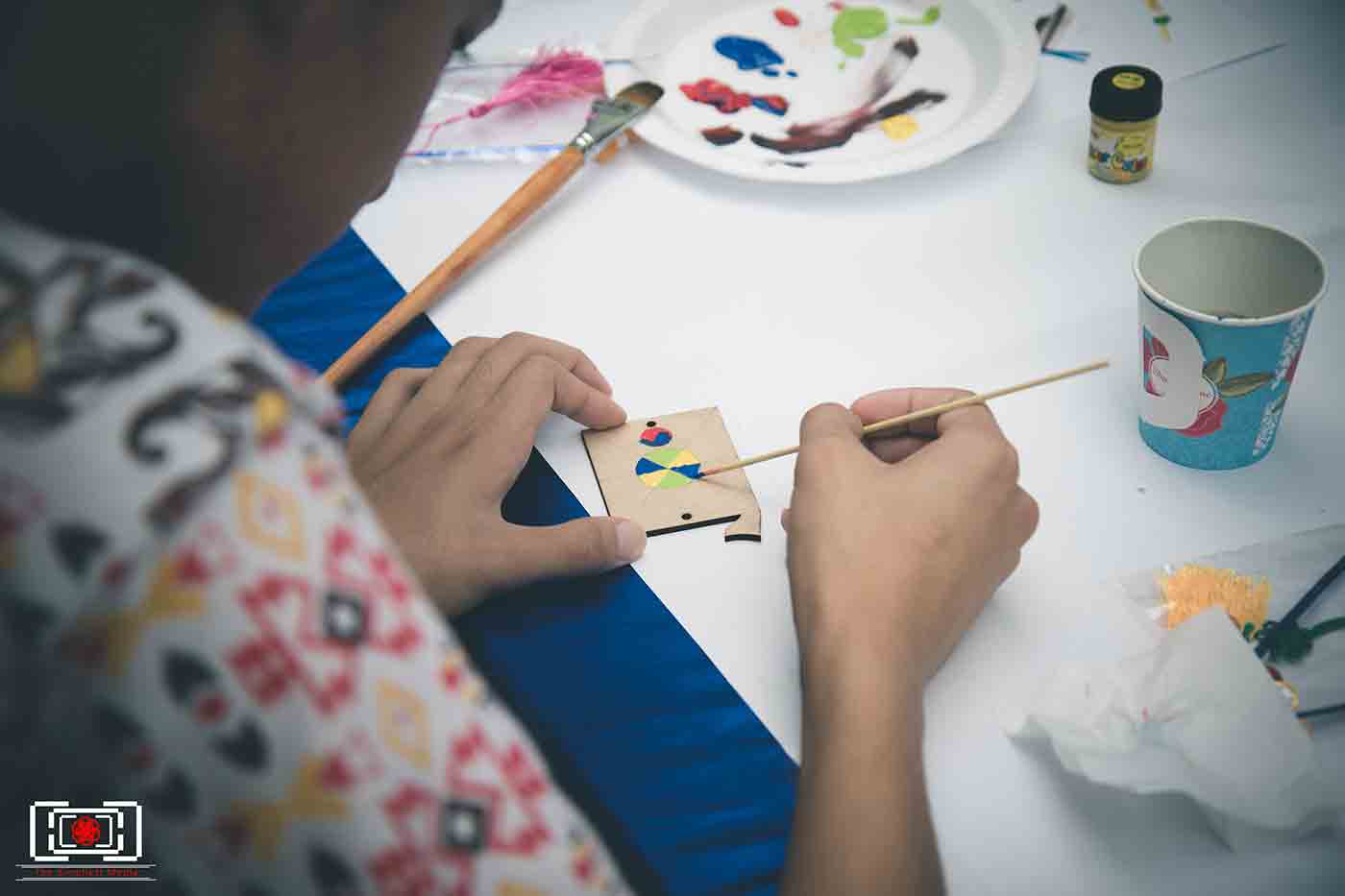
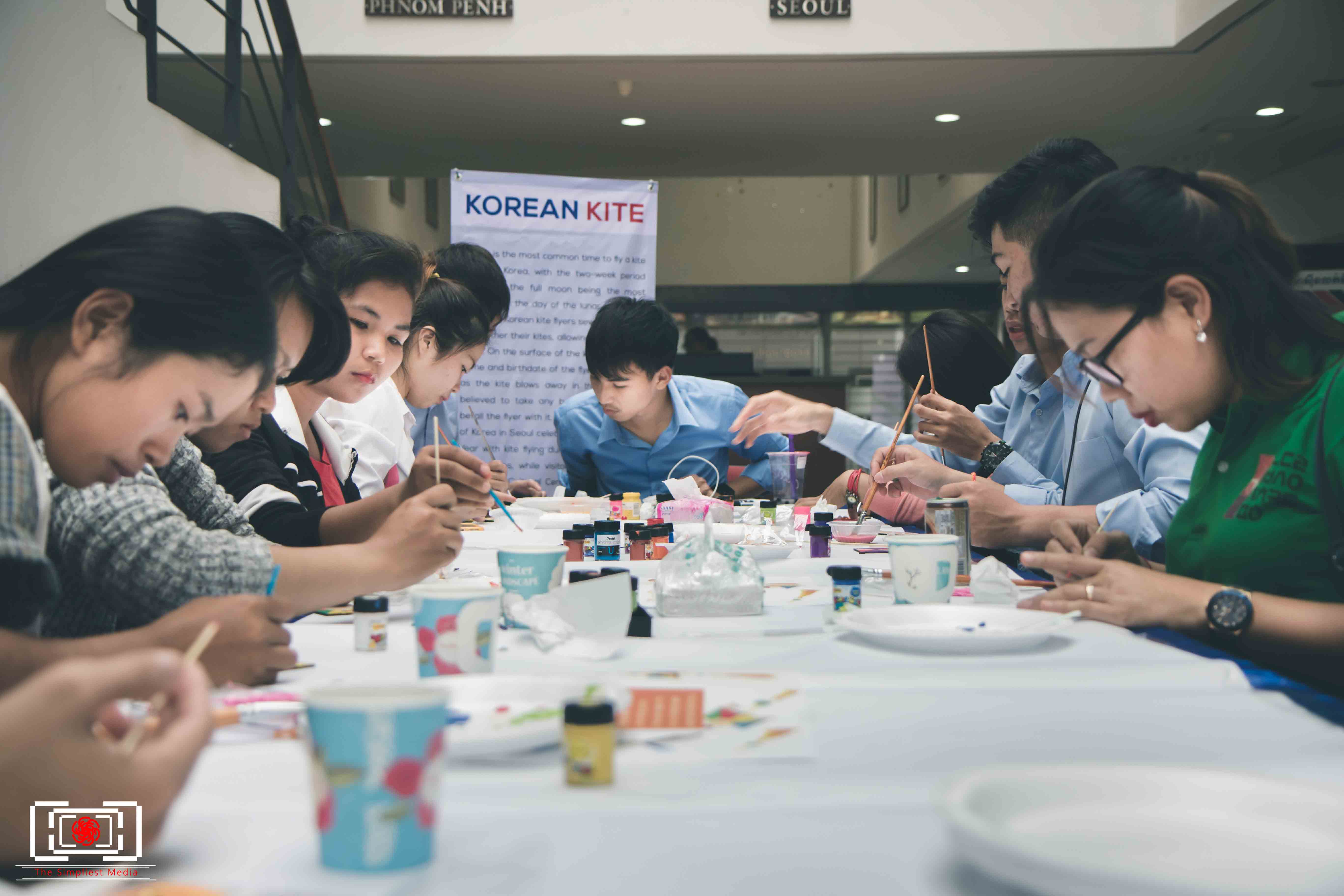
❄ Making Korean Kite Keychain
Senior-Junior Student Forum
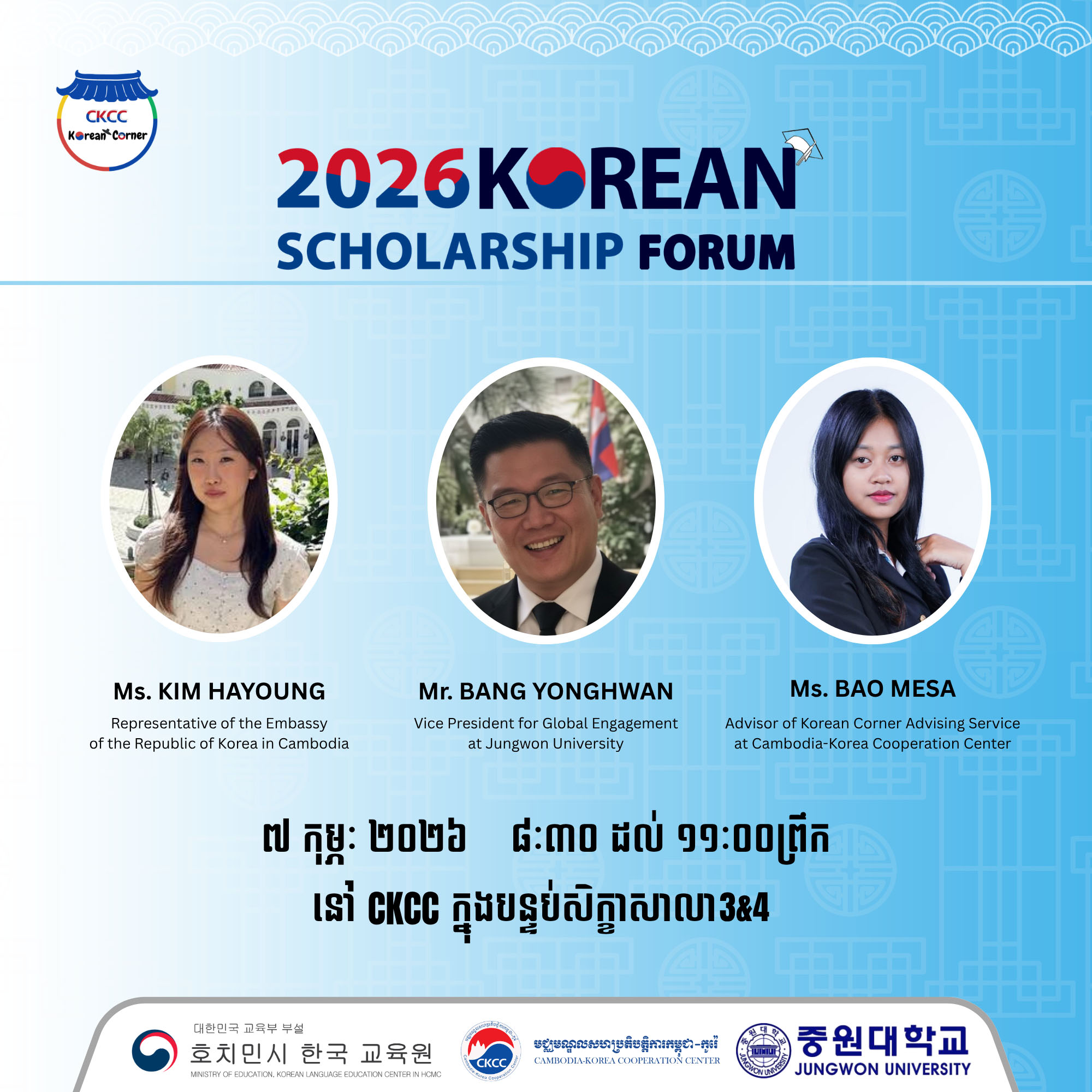
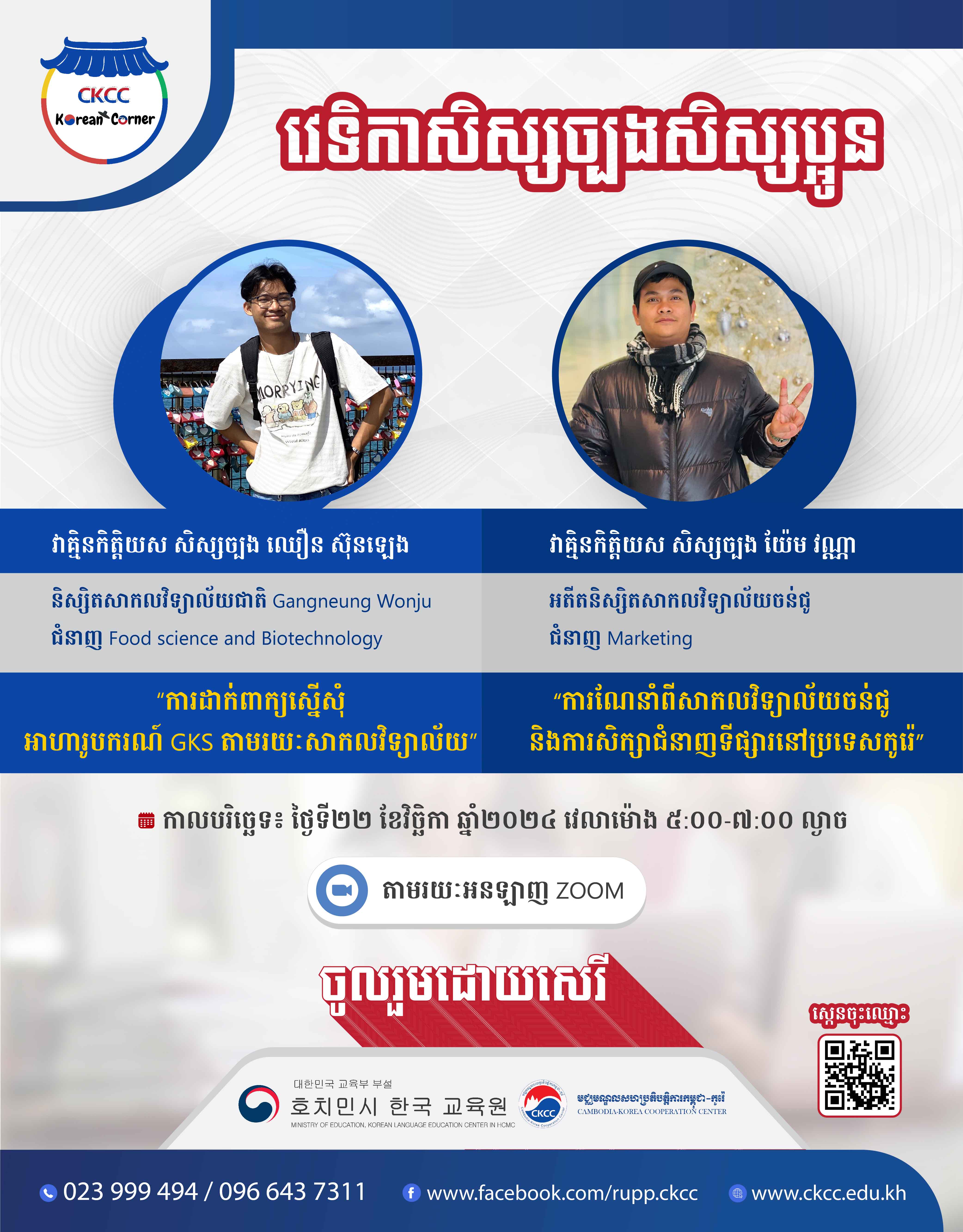
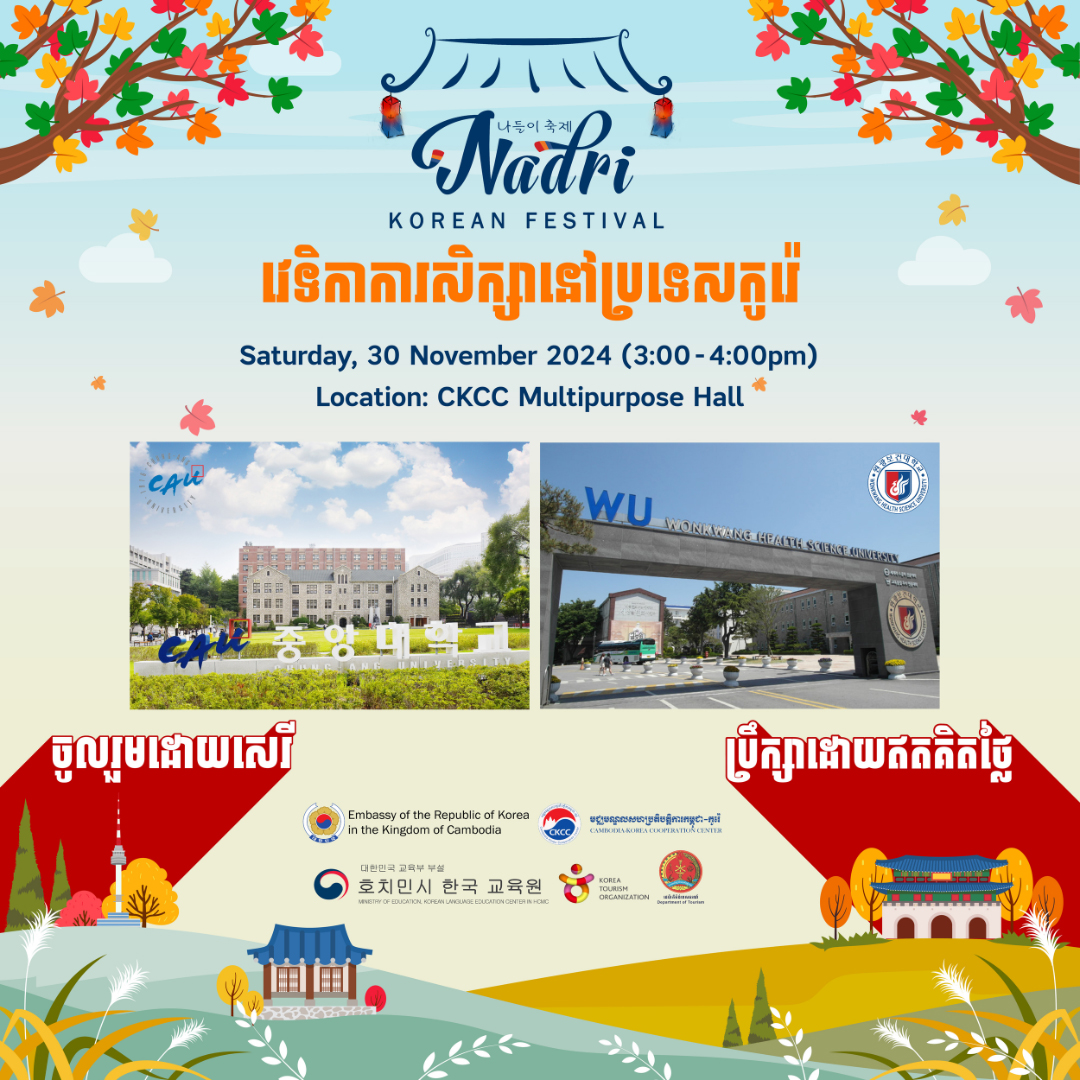
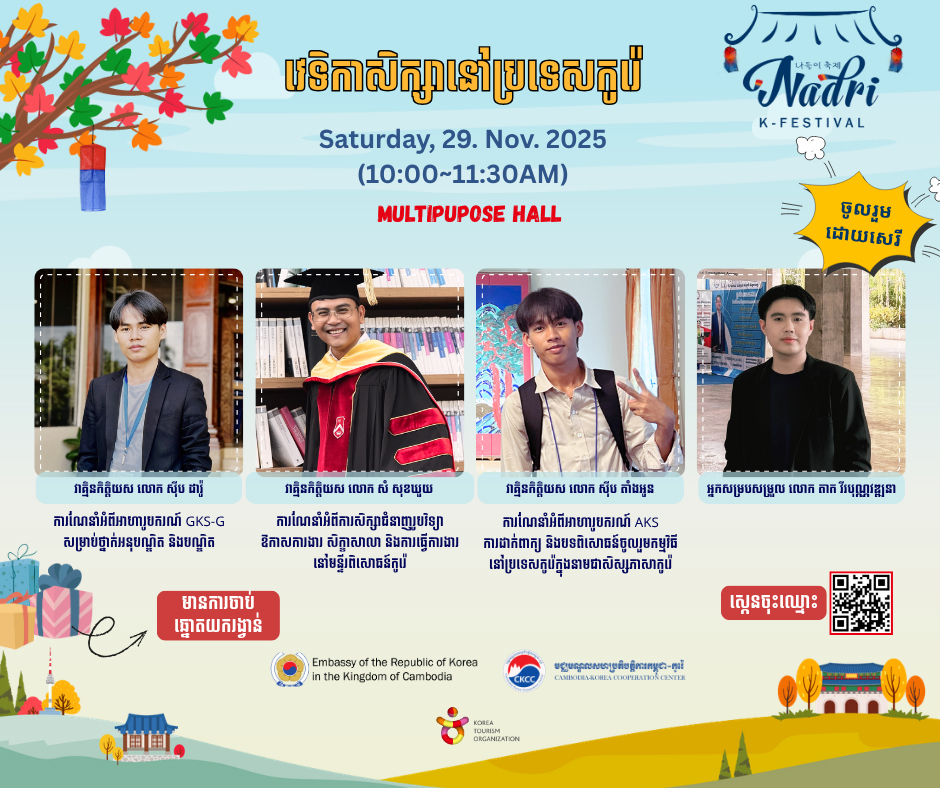
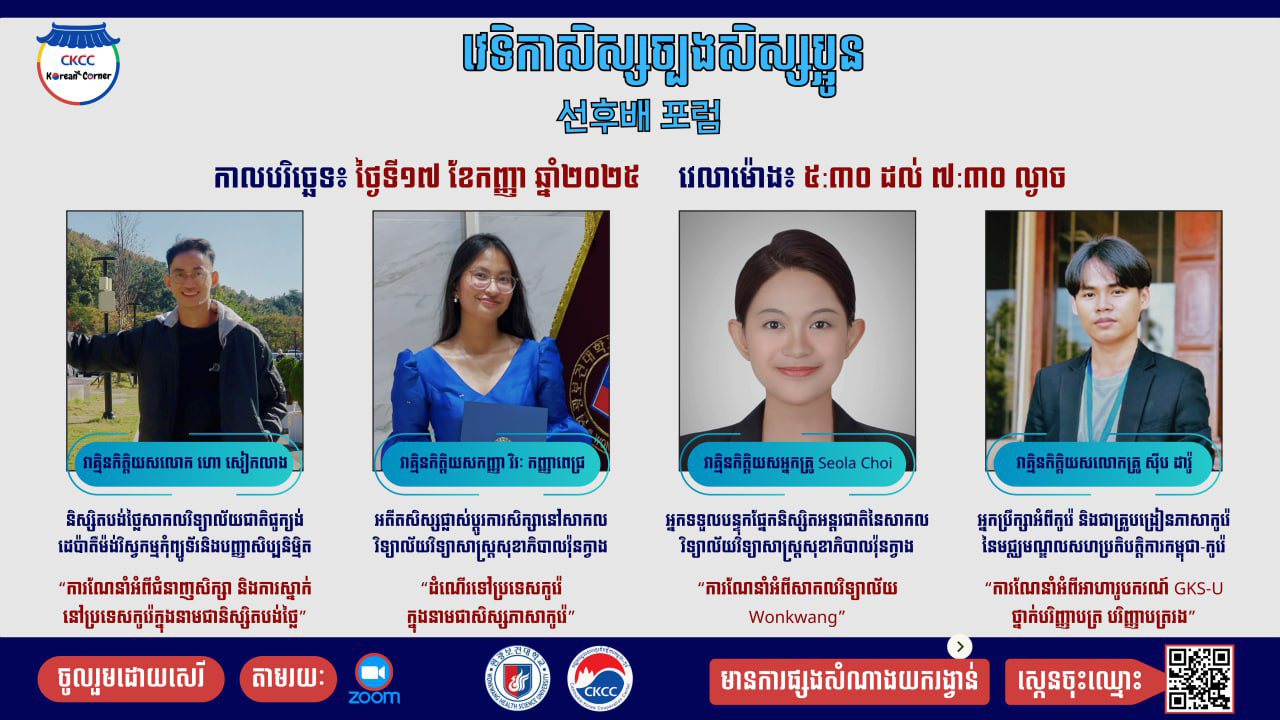
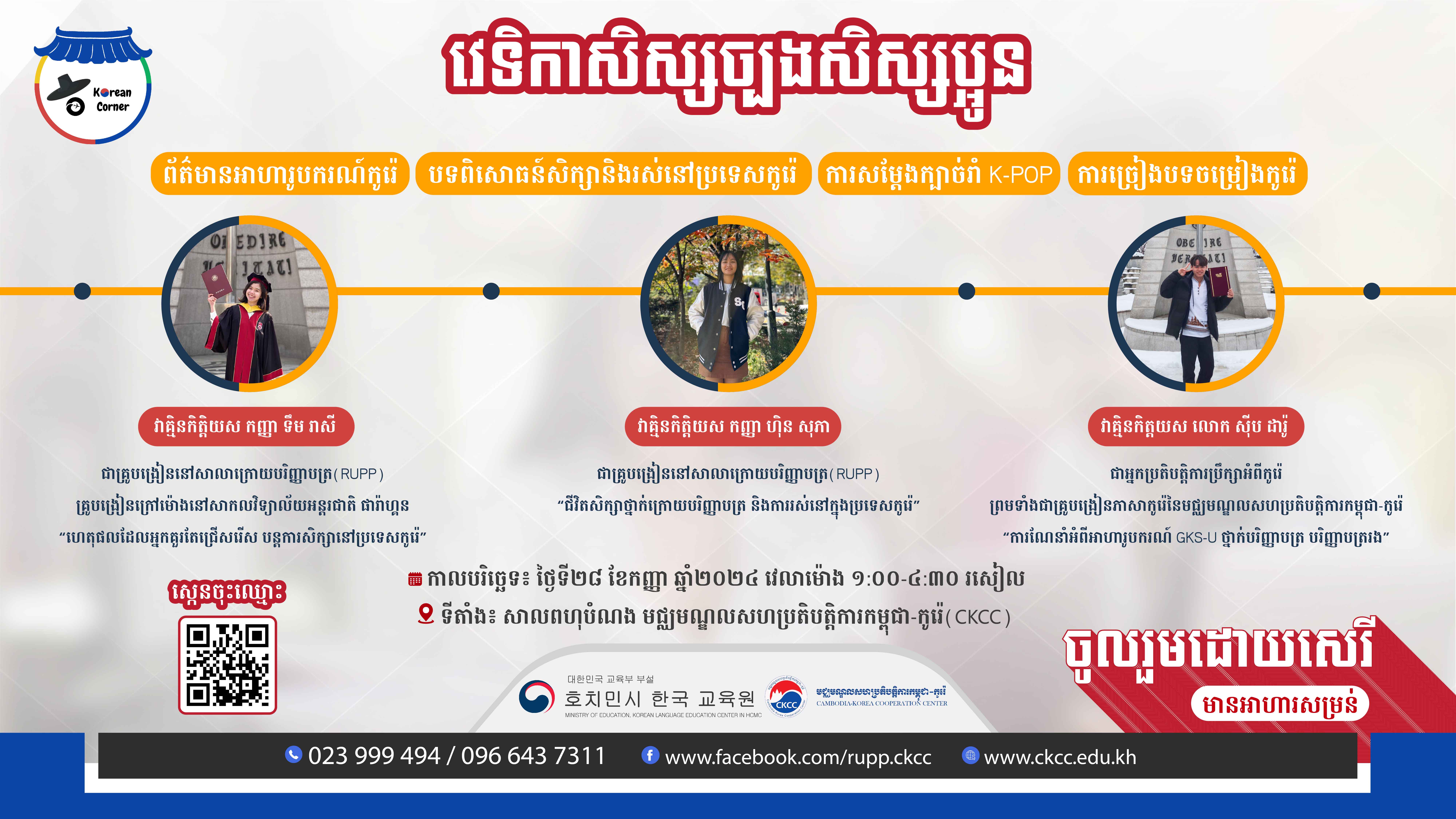
The Senior–Junior Student Forum (វេទិកាសិស្សច្បងសិស្សប្អូន) was established in 2020 to support students who are interested in studying in Korea through various scholarship programs, including the Global Korea Scholarship (GKS). The forum is held both in person and online. As of September 2025, ten sessions have been conducted. The program is organized regularly in September and November each year. The September session introduces the GKS-U (Global Korea Scholarship for Undergraduate Degrees), covering eligibility, the application process, and preparation strategies. The November session focuses on life in Korea, where senior students share their experiences of studying, living, and adapting to life in Korea with prospective students. The Scholarship Forum (វេទិកាអាហារូបករណ៍) is organized annually in February to provide students with detailed information about scholarship opportunities, application procedures, and preparation strategies. The forum primarily focuses on the GKS-G (Global Korea Scholarship for Graduate Degrees), which supports master's and doctoral programs. Participants receive practical guidance on preparing application documents, understanding the selection process, and planning for graduate study in Korea.
 |  |  |
 |  |  |
 |  |  |
 |
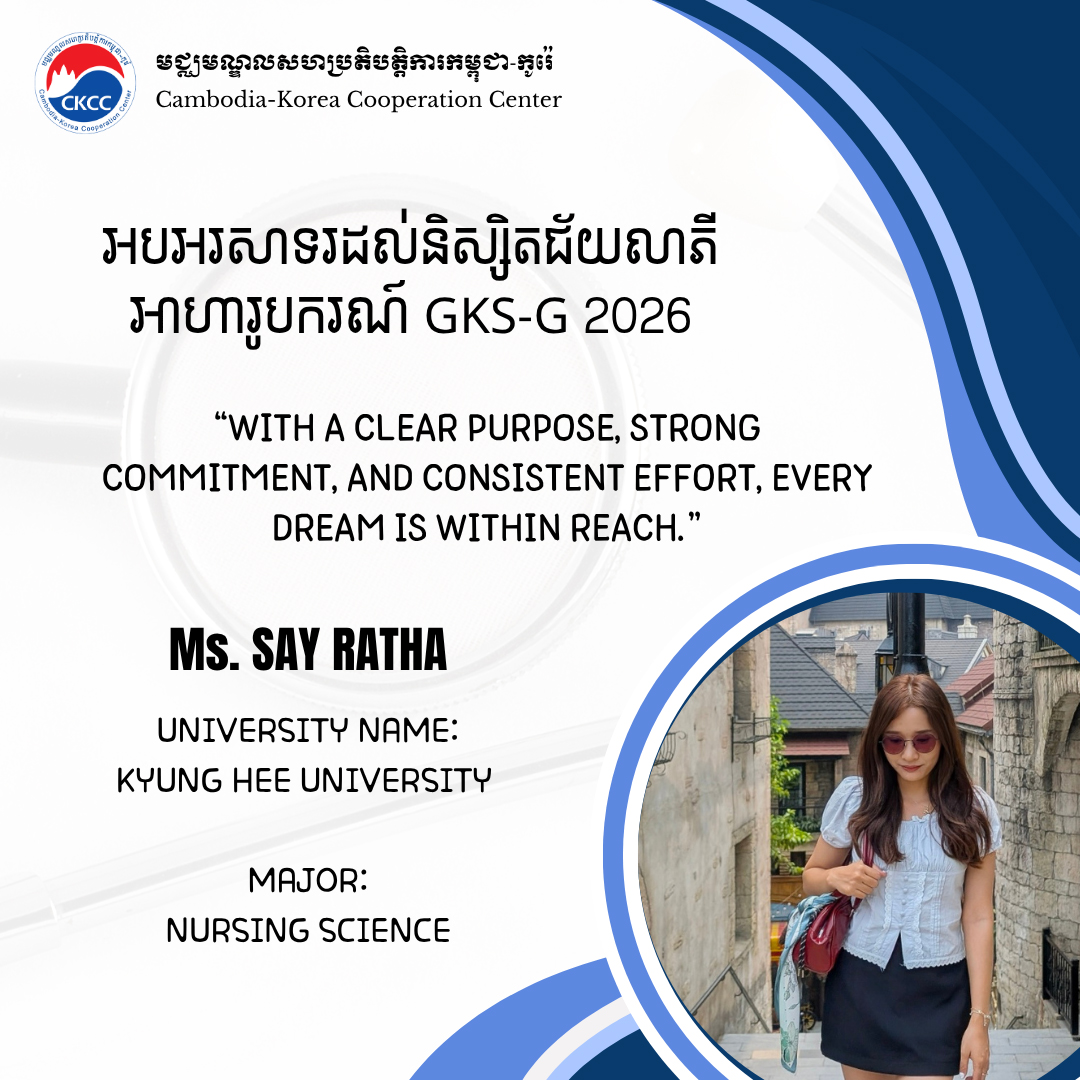
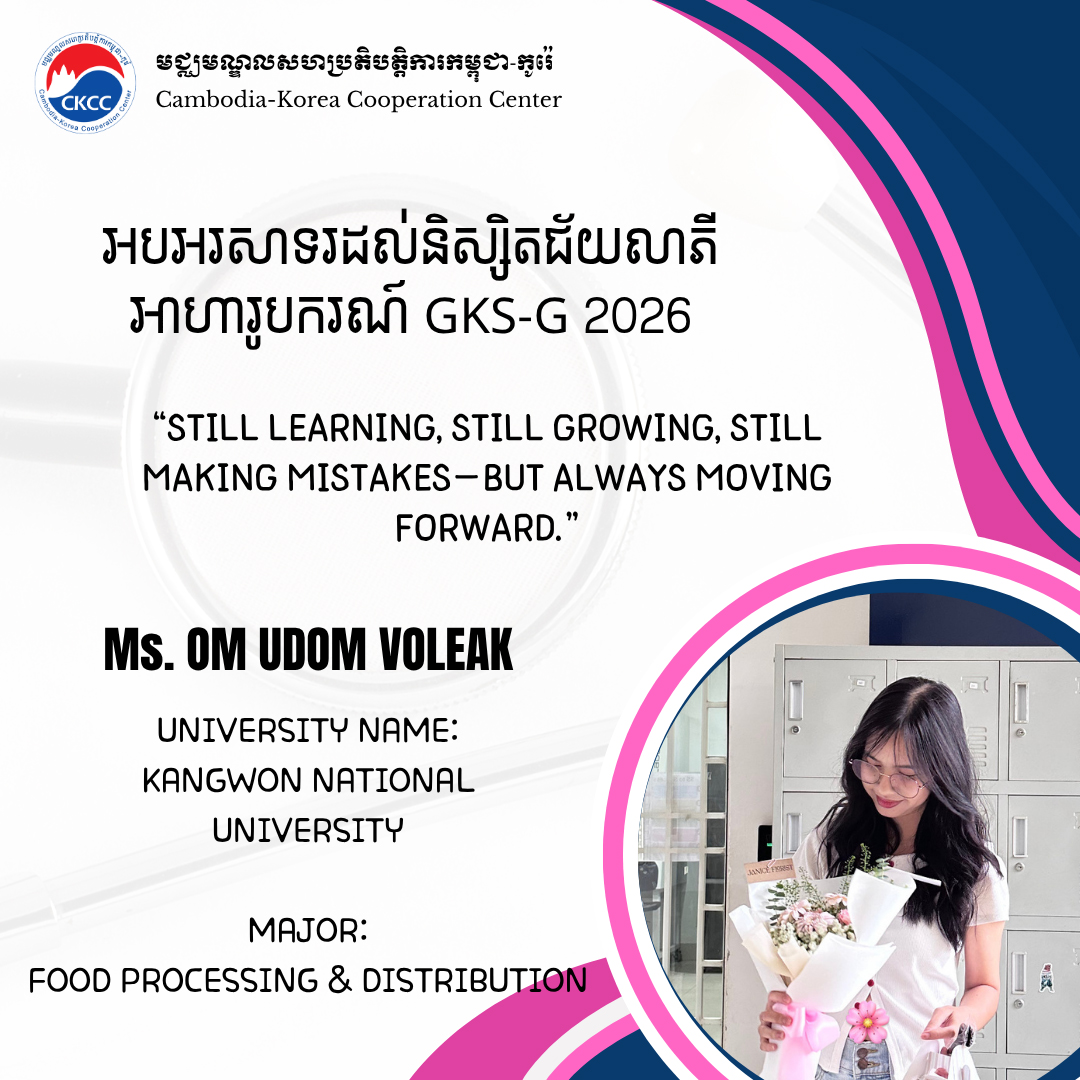
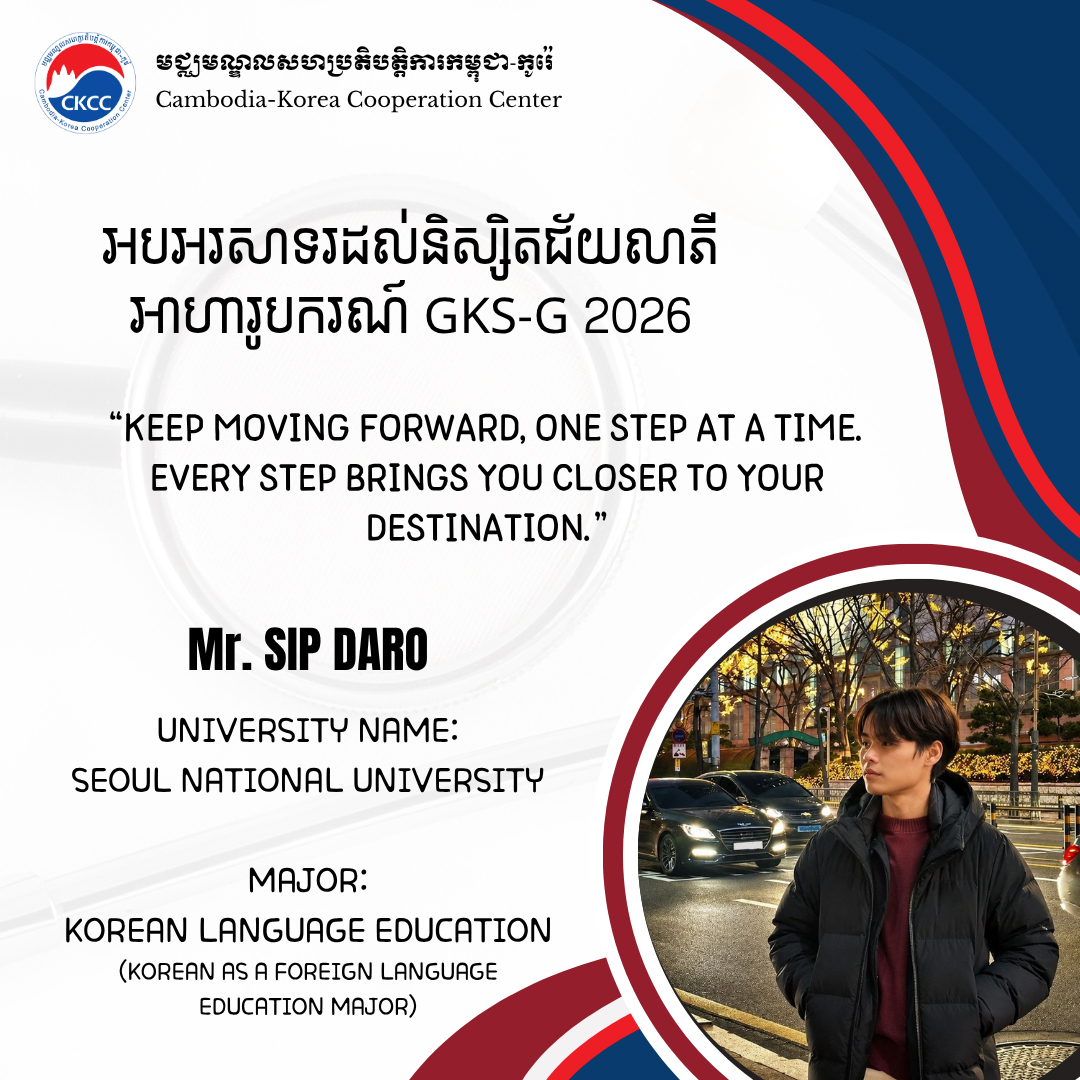
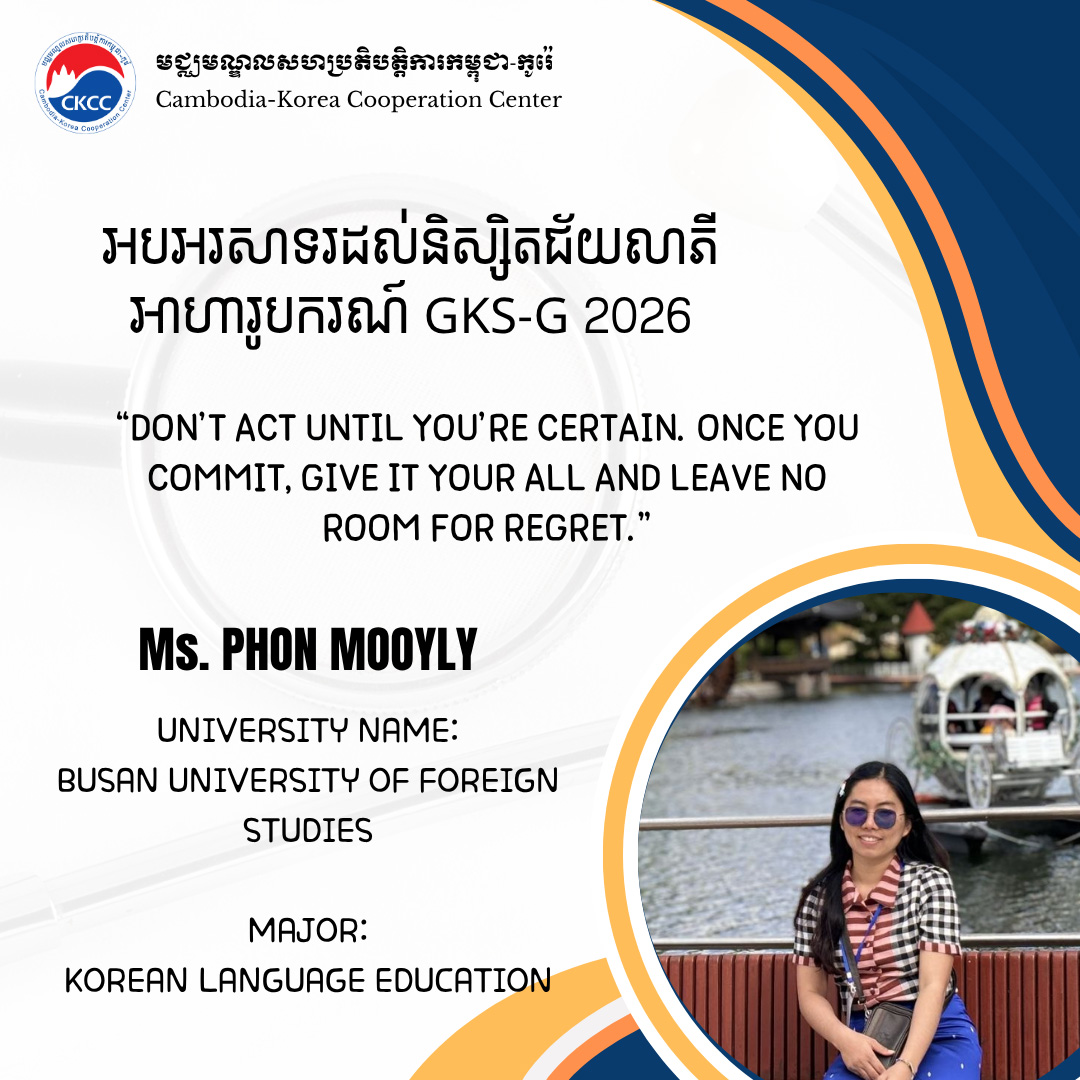
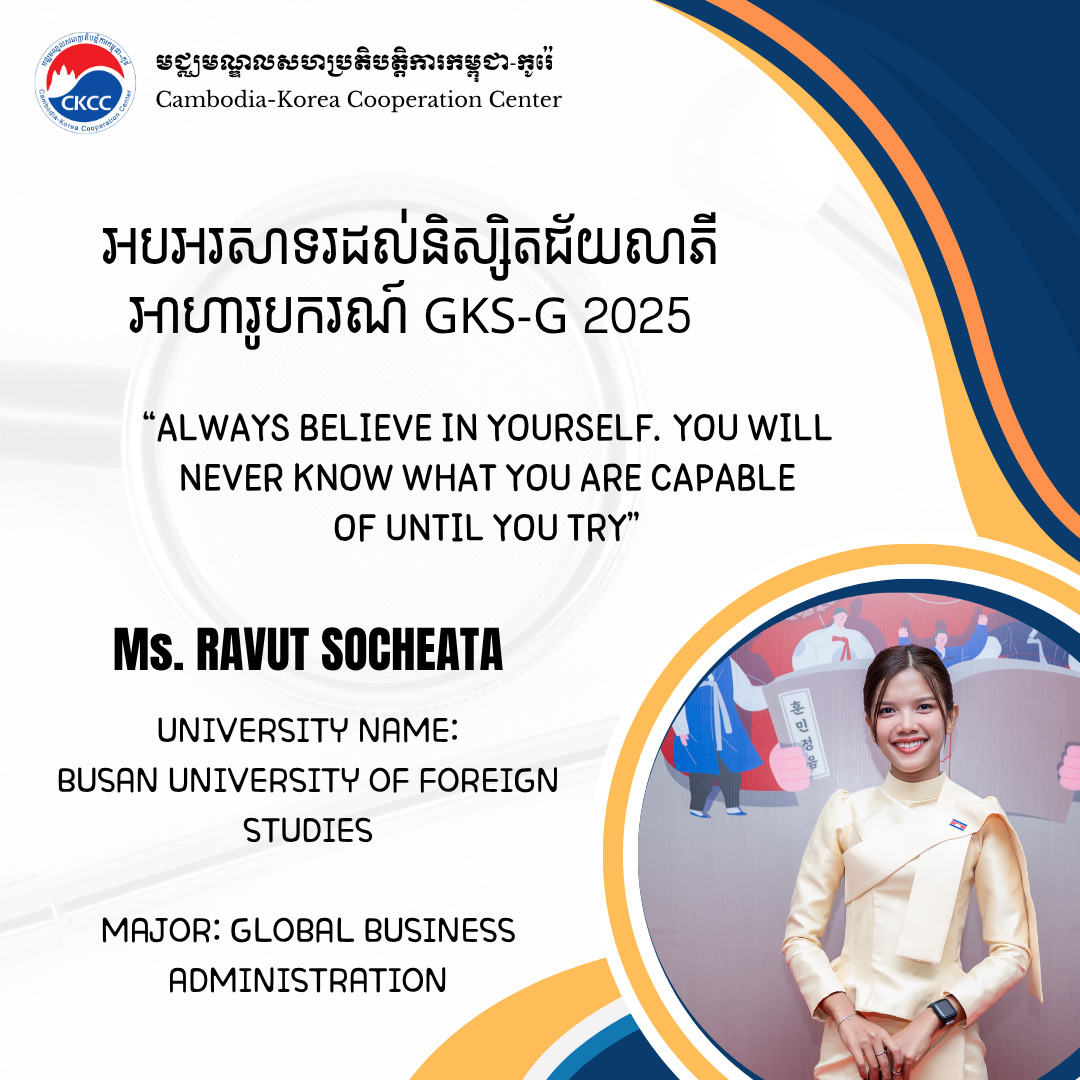
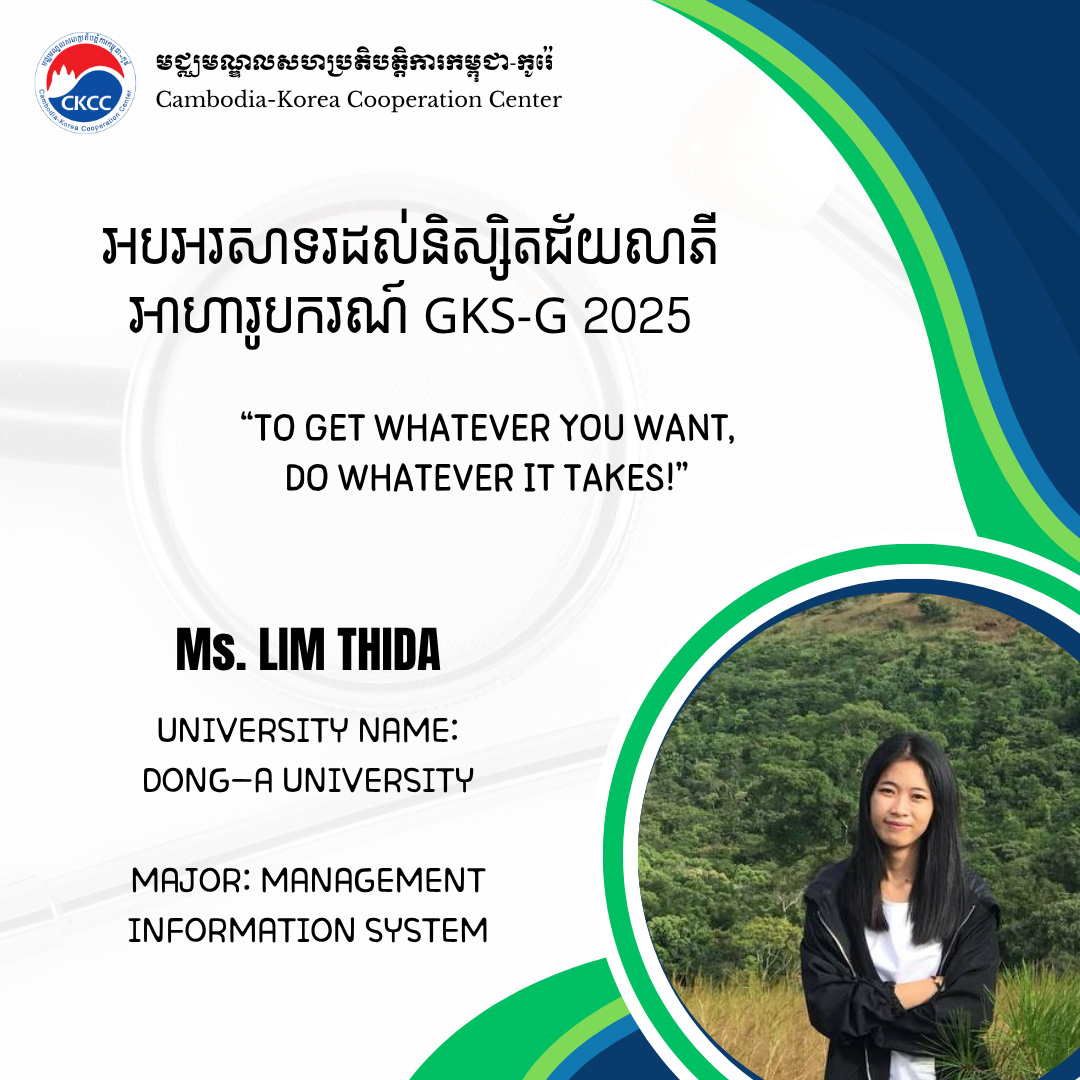
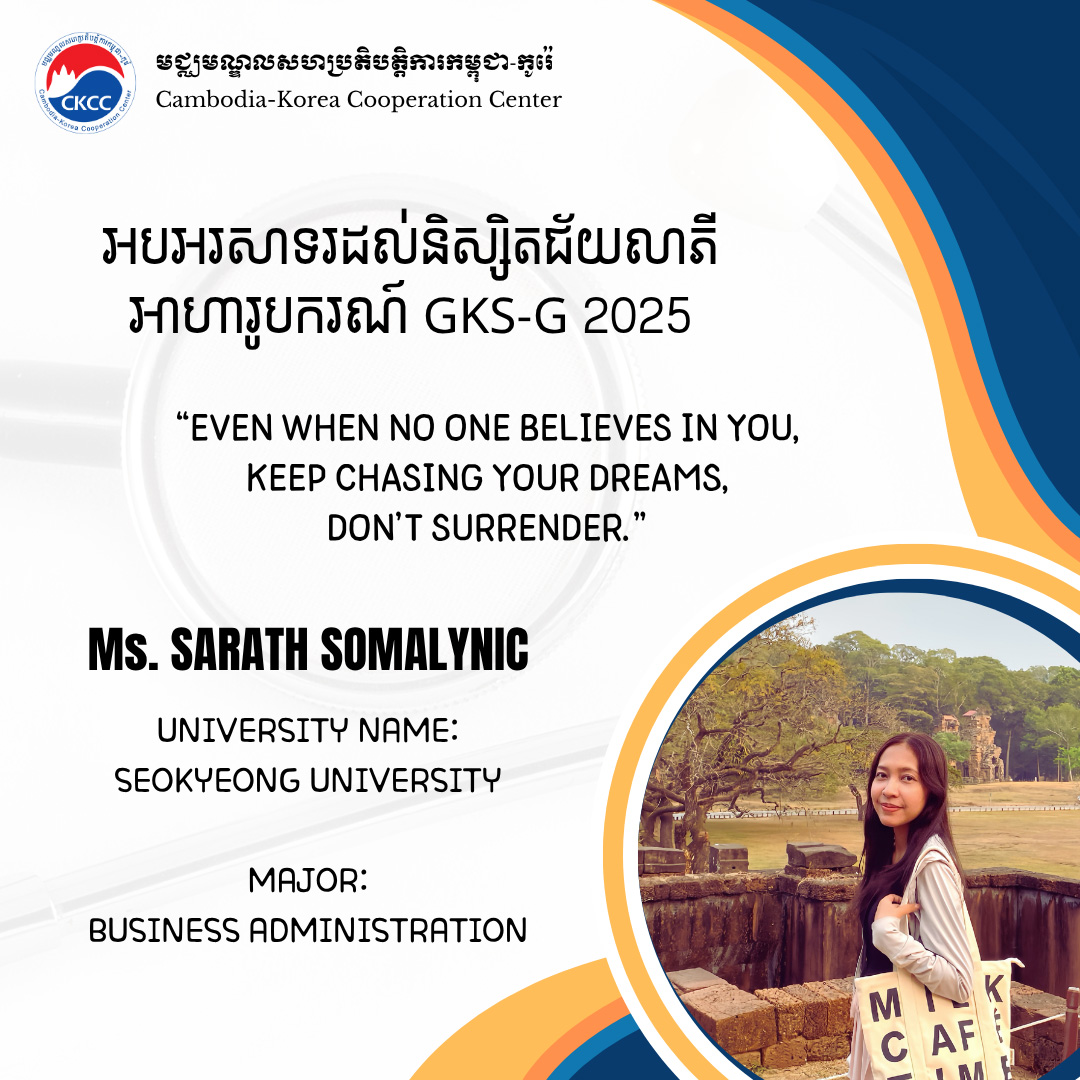
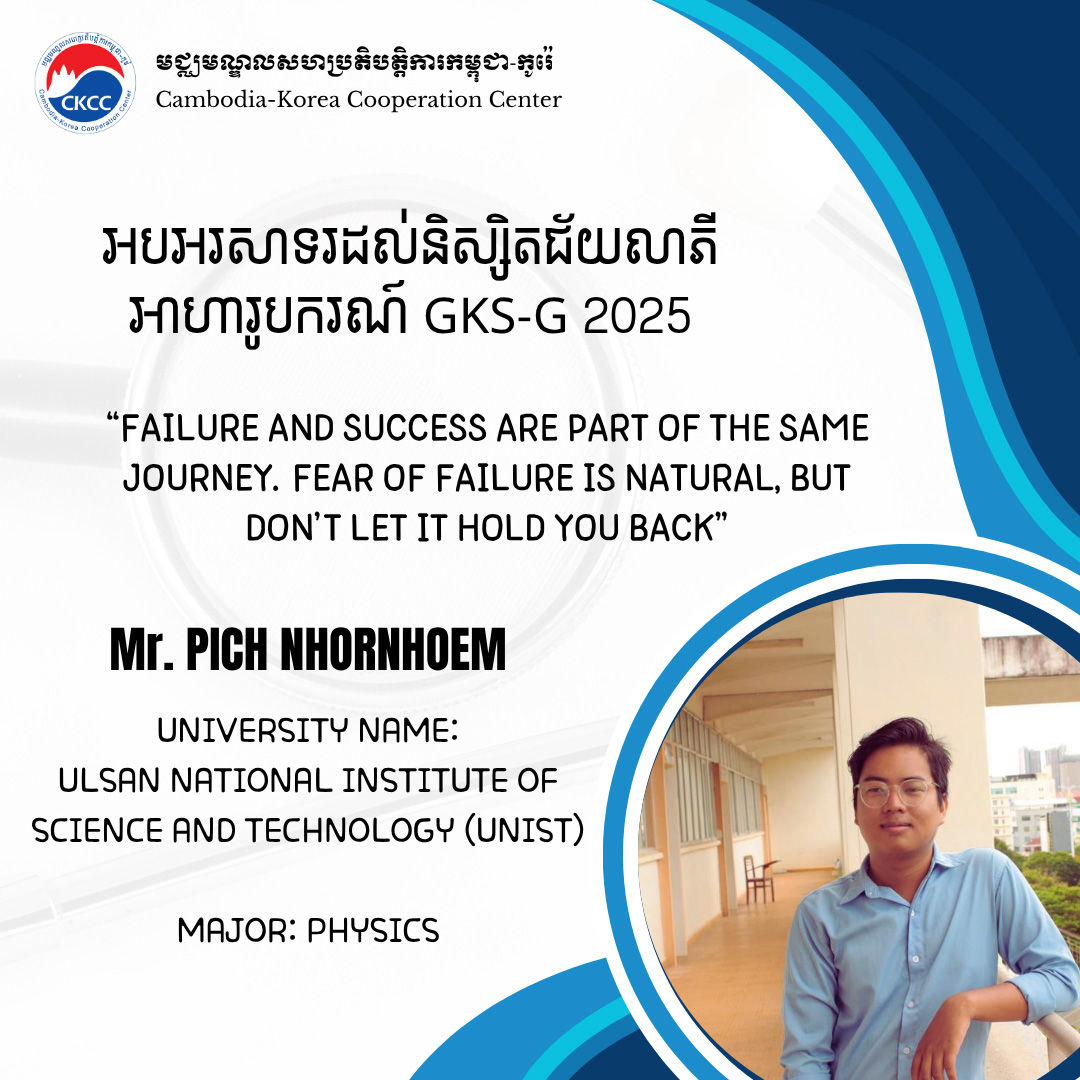
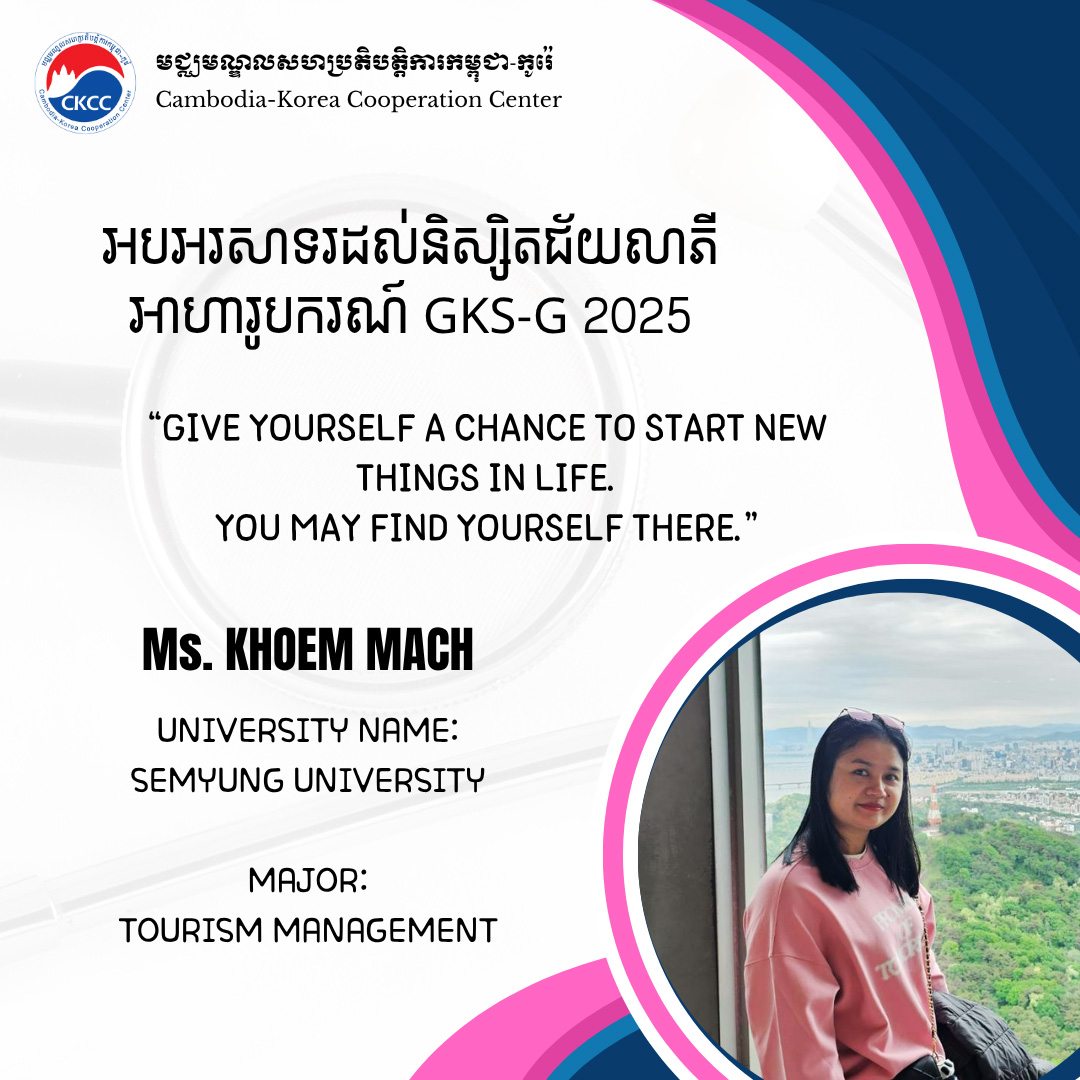
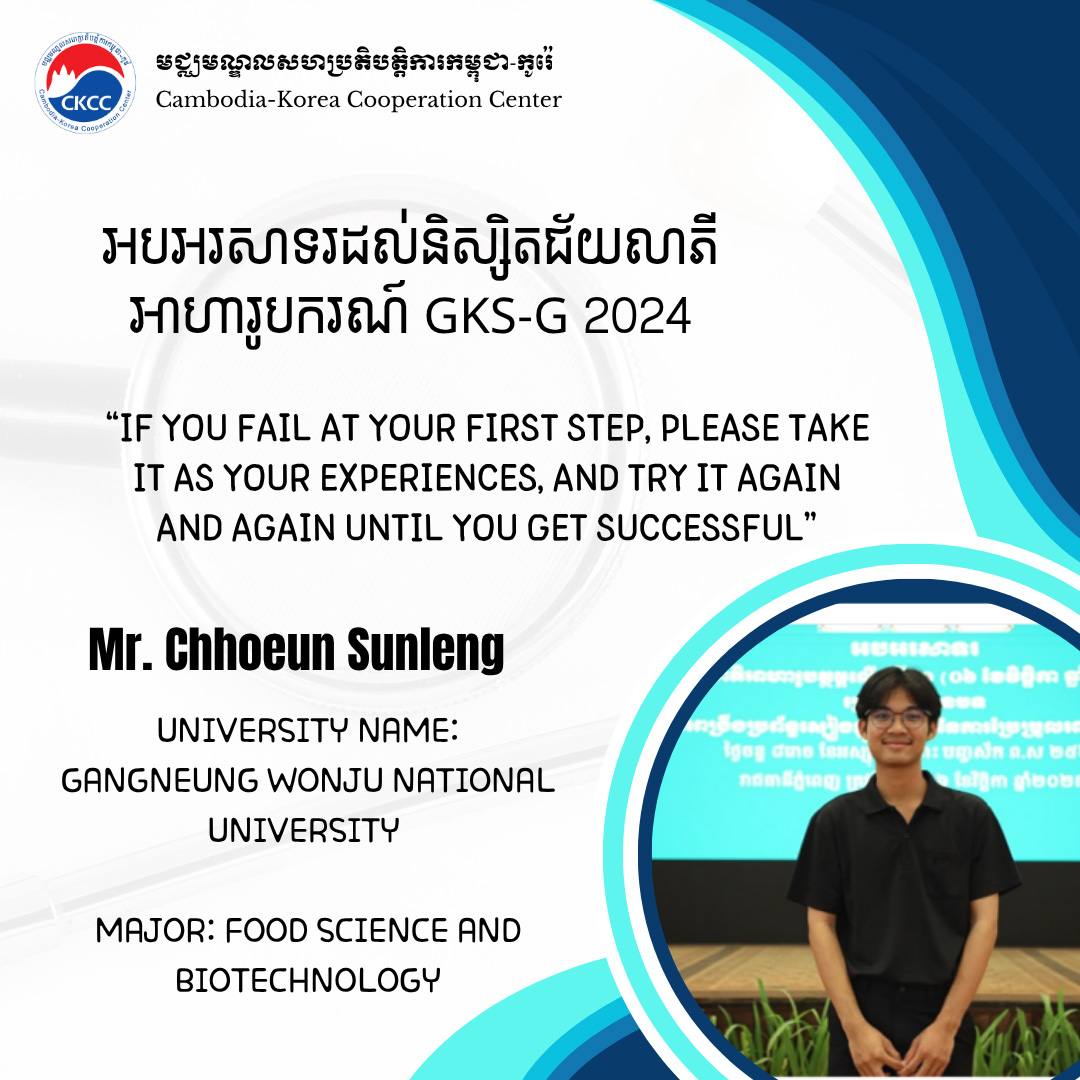
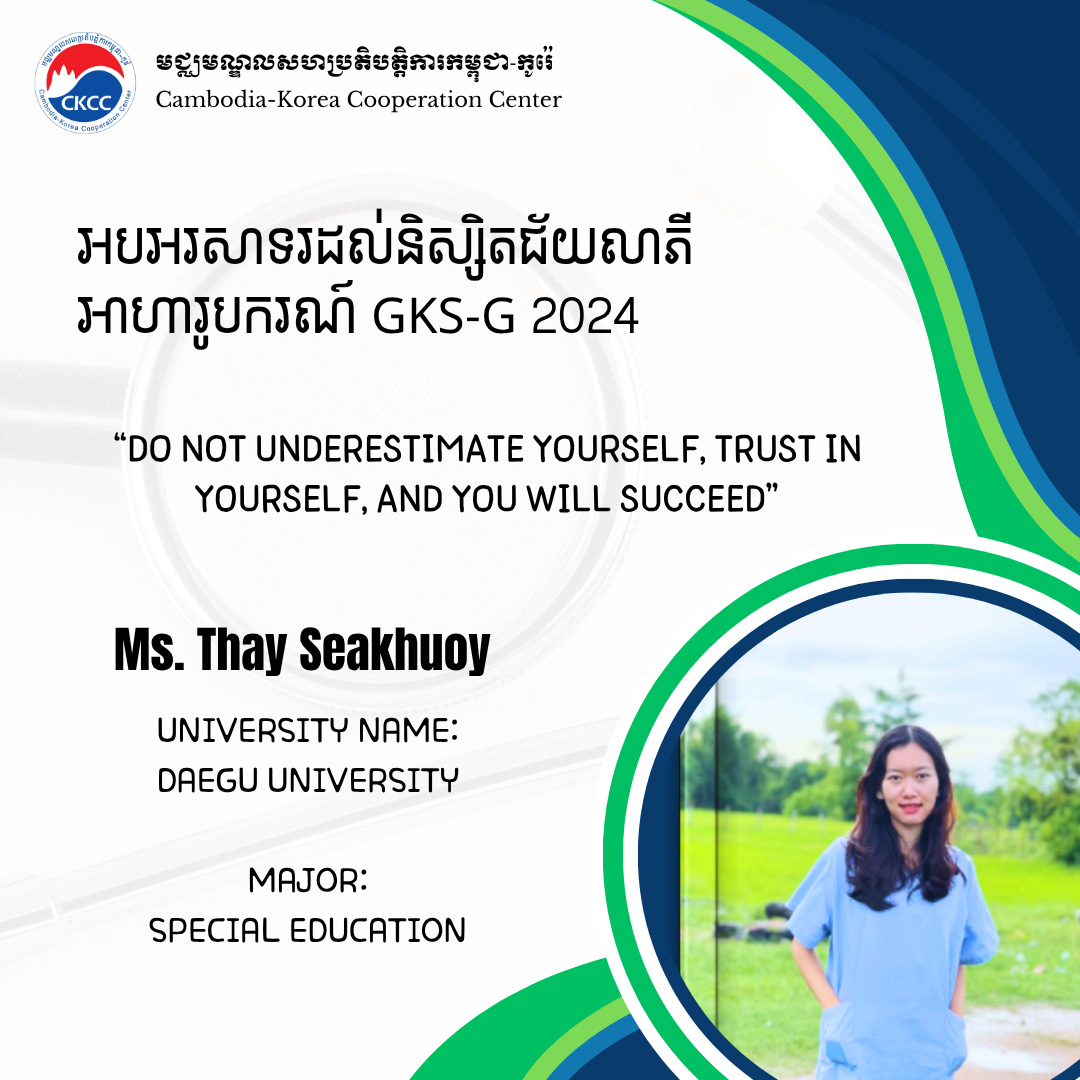
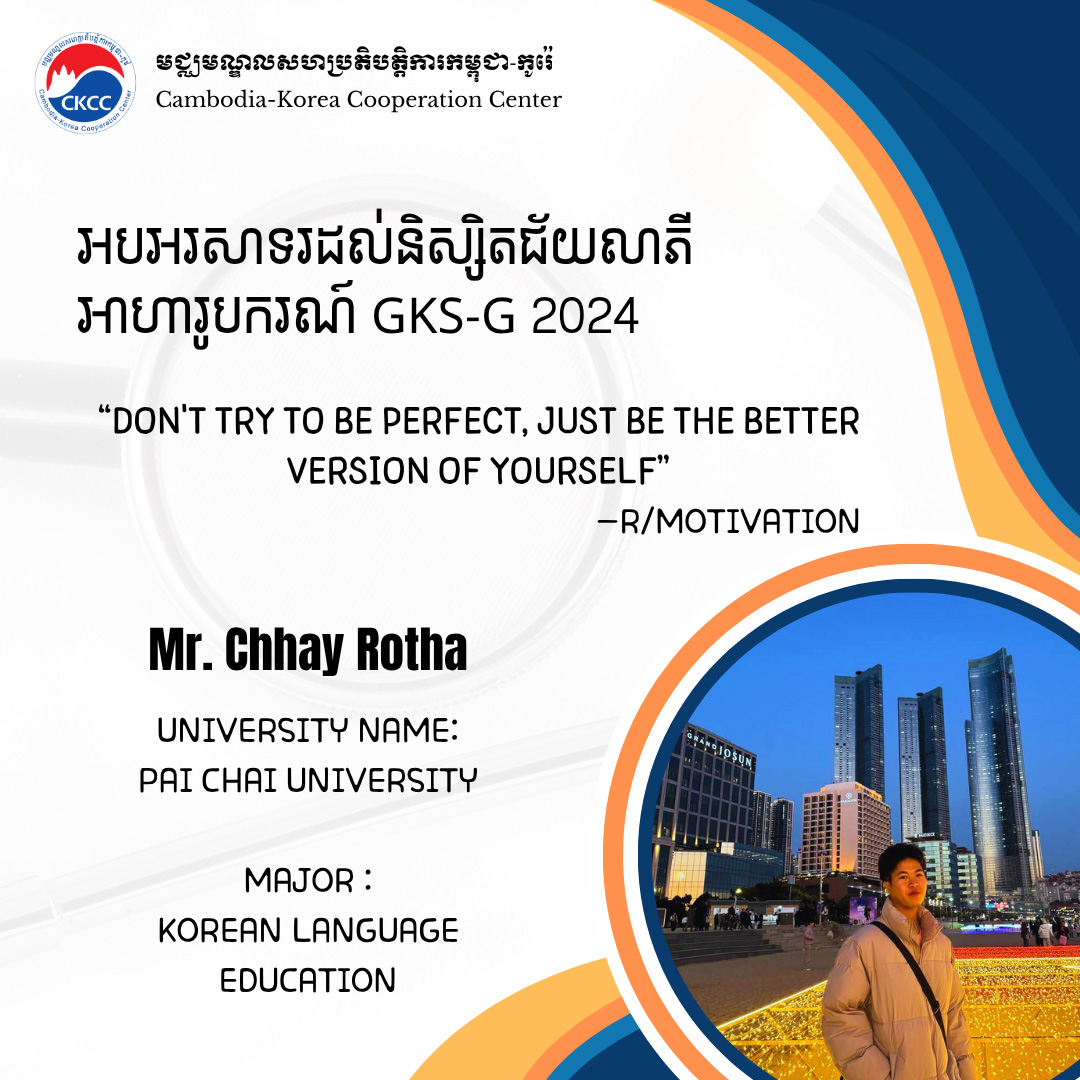
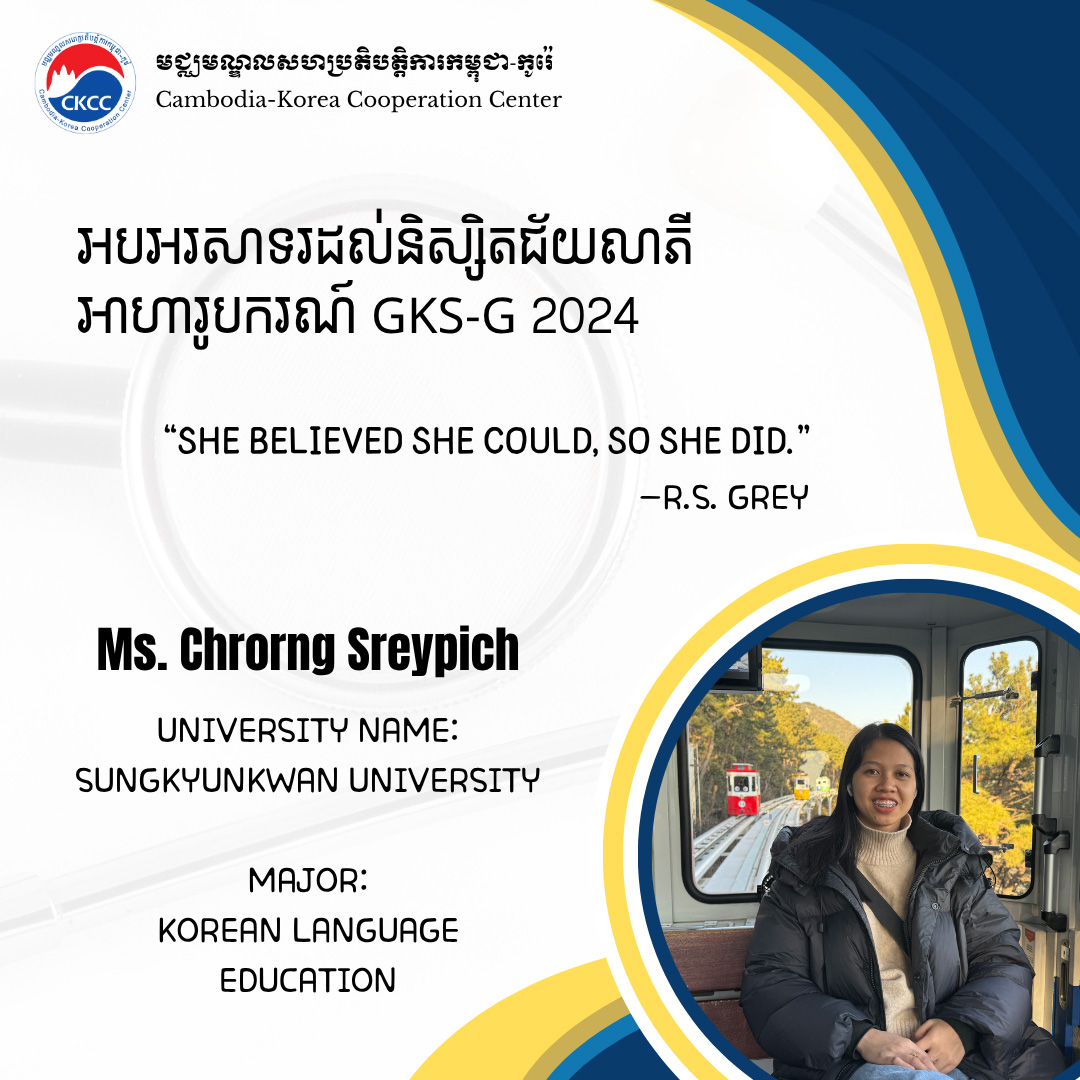
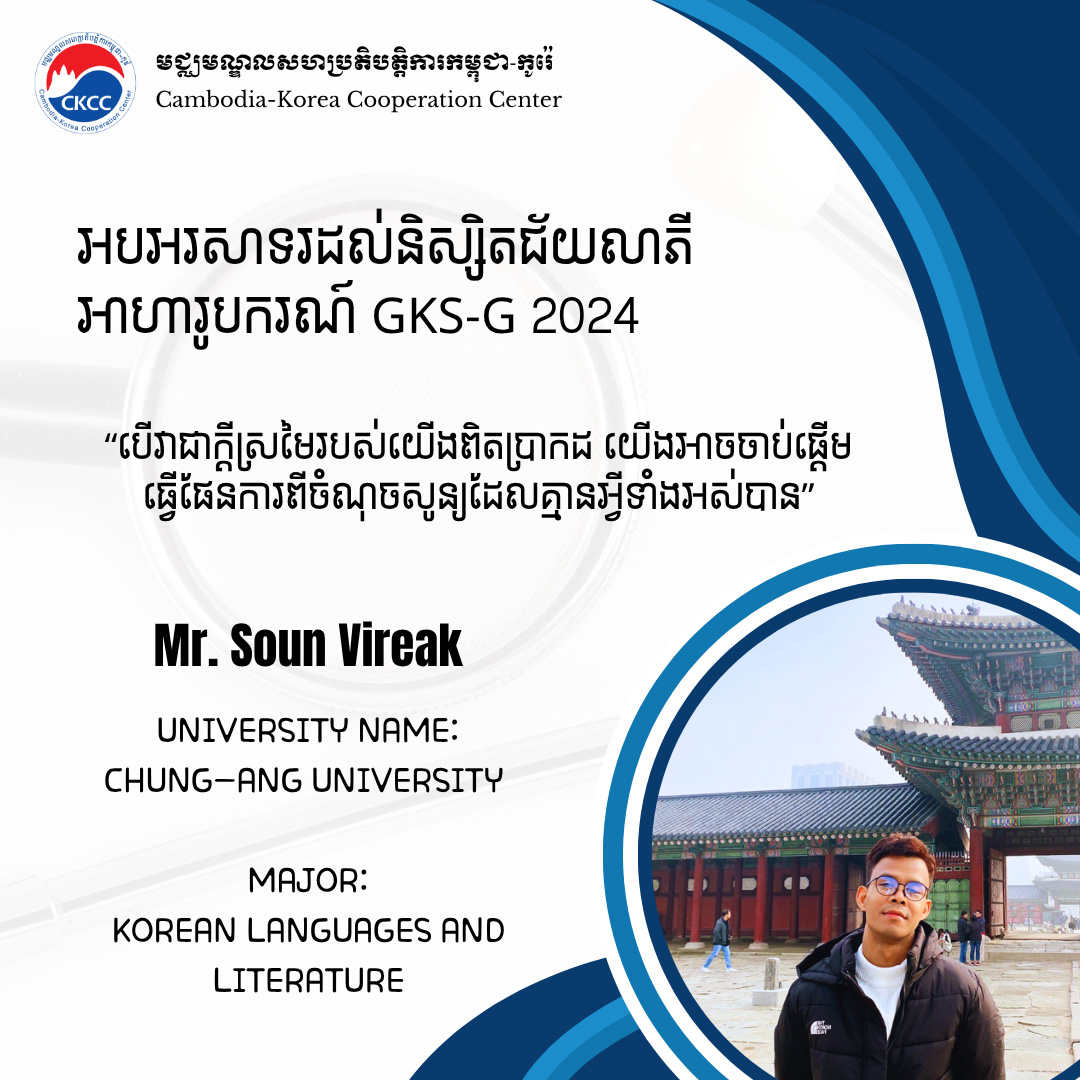
GKS Scholarship Awardees
We proudly congratulate all GKS scholarship recipients who received guidance and advising through our center and successfully secured the opportunity to pursue higher education in the Republic of Korea. We wish each of them continued success in their academic journey and every success in their future endeavors.
 |  |  |
 |  |  |
 |  |  |
 |  |  |
 |  |
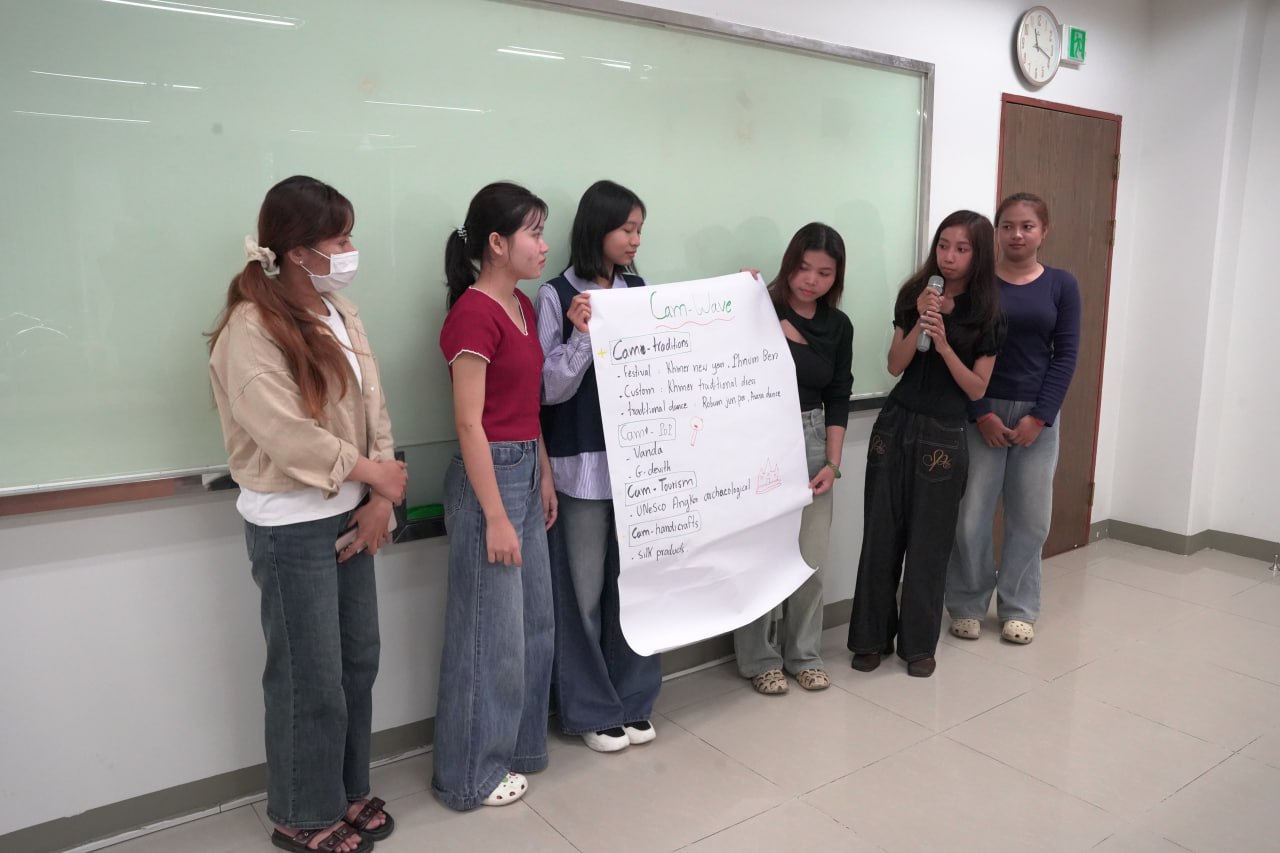
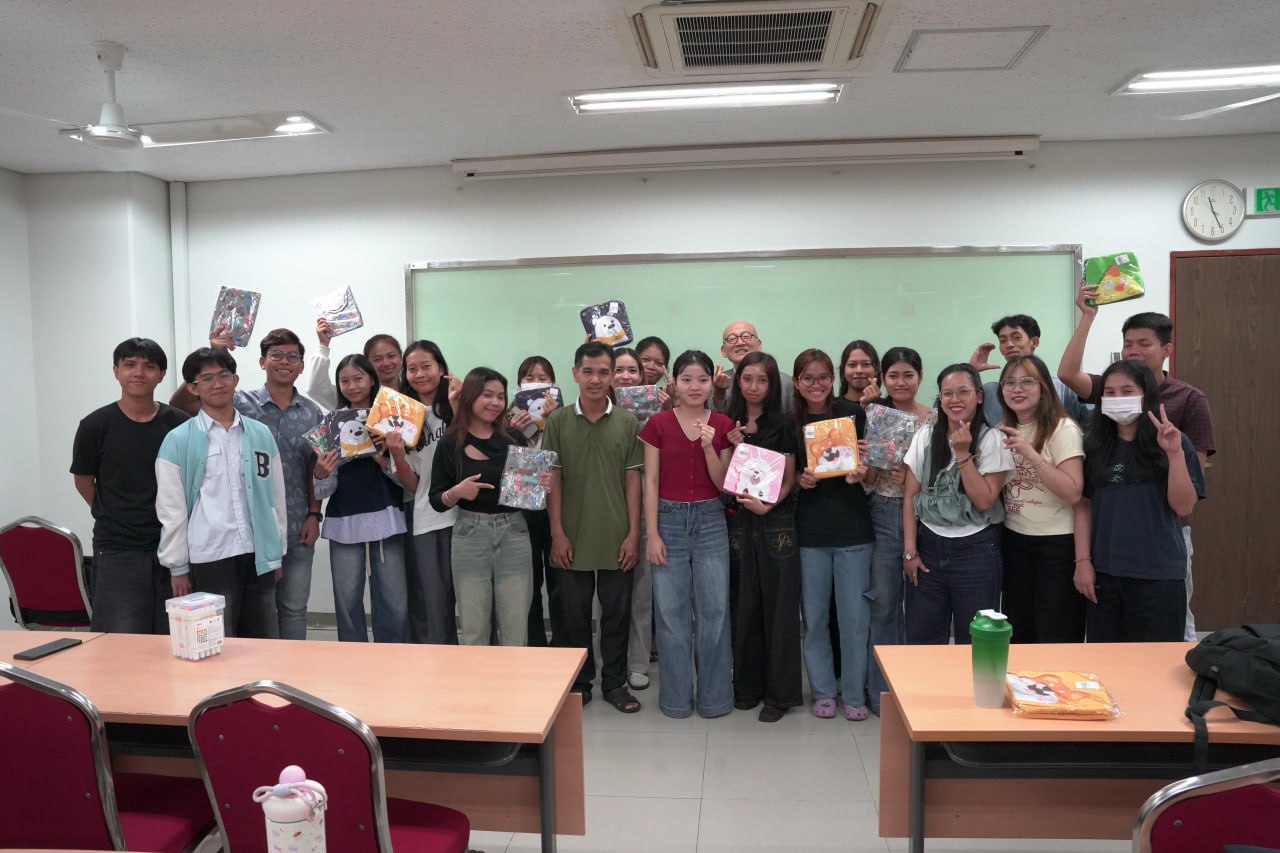
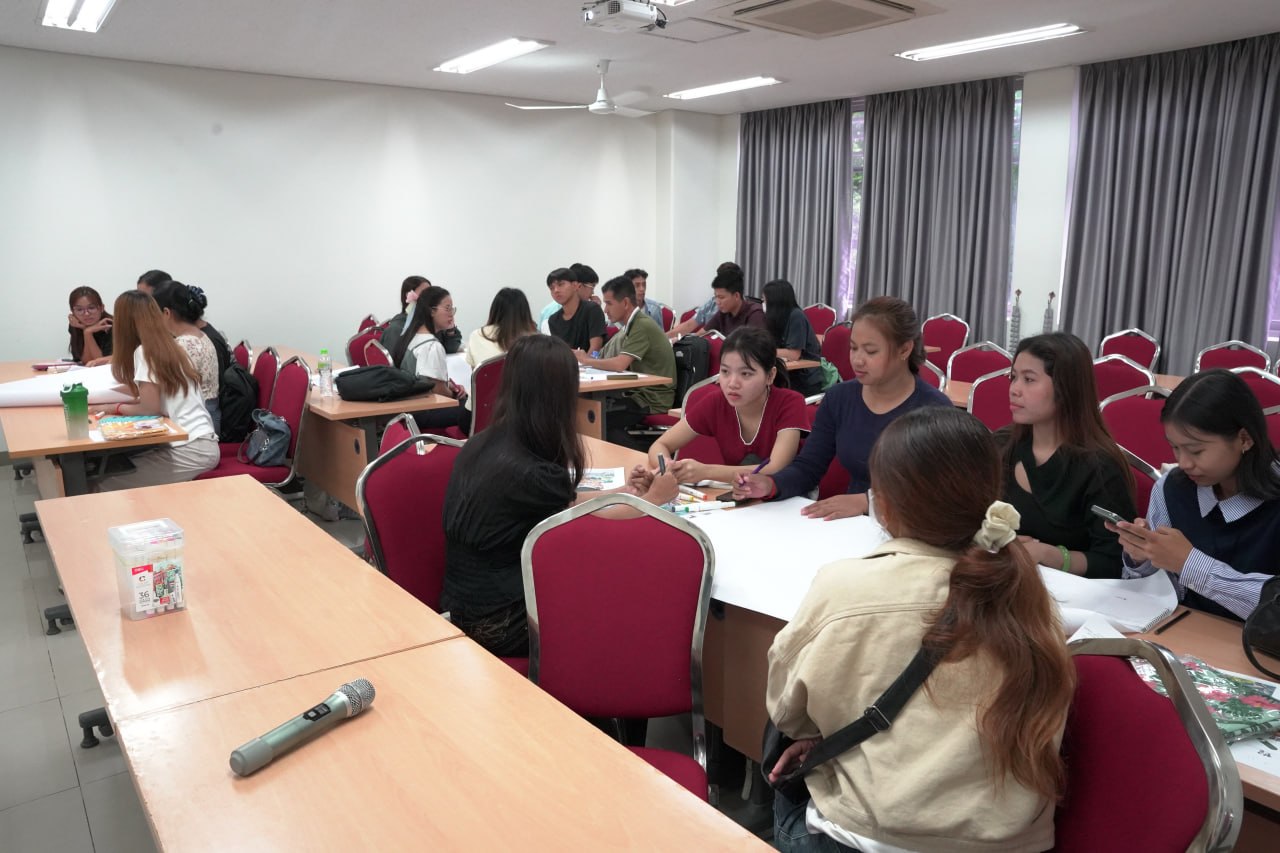
Hallyu Day
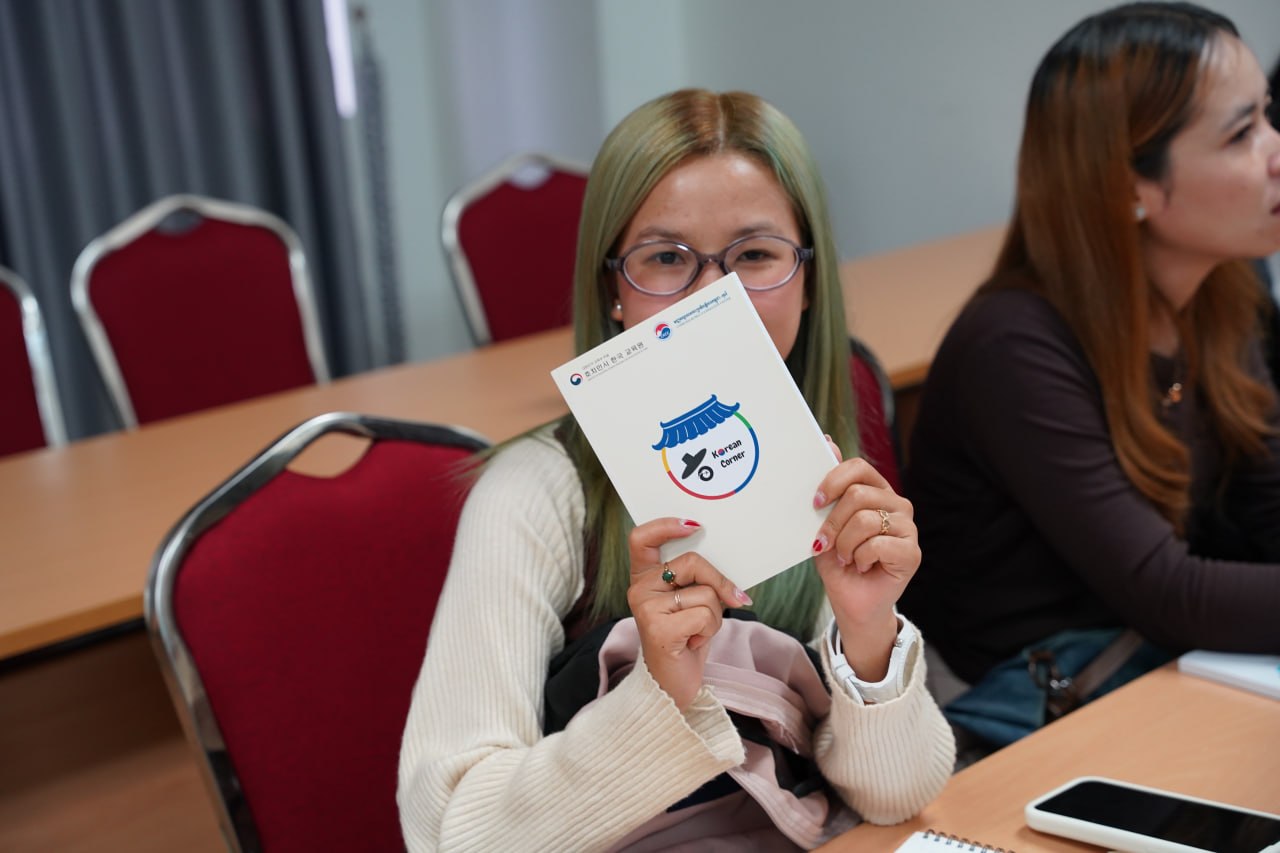
The Special Lecture Series provides students and the general public with opportunities to learn about Korea through a different theme each month. Students explore Korean culture, participate in group discussions, and give presentations based on each monthly topic. Each session also includes a quiz with small prizes for students who answer correctly. The program is open to anyone interested in Korea, as well as students who wish to study in Korea.
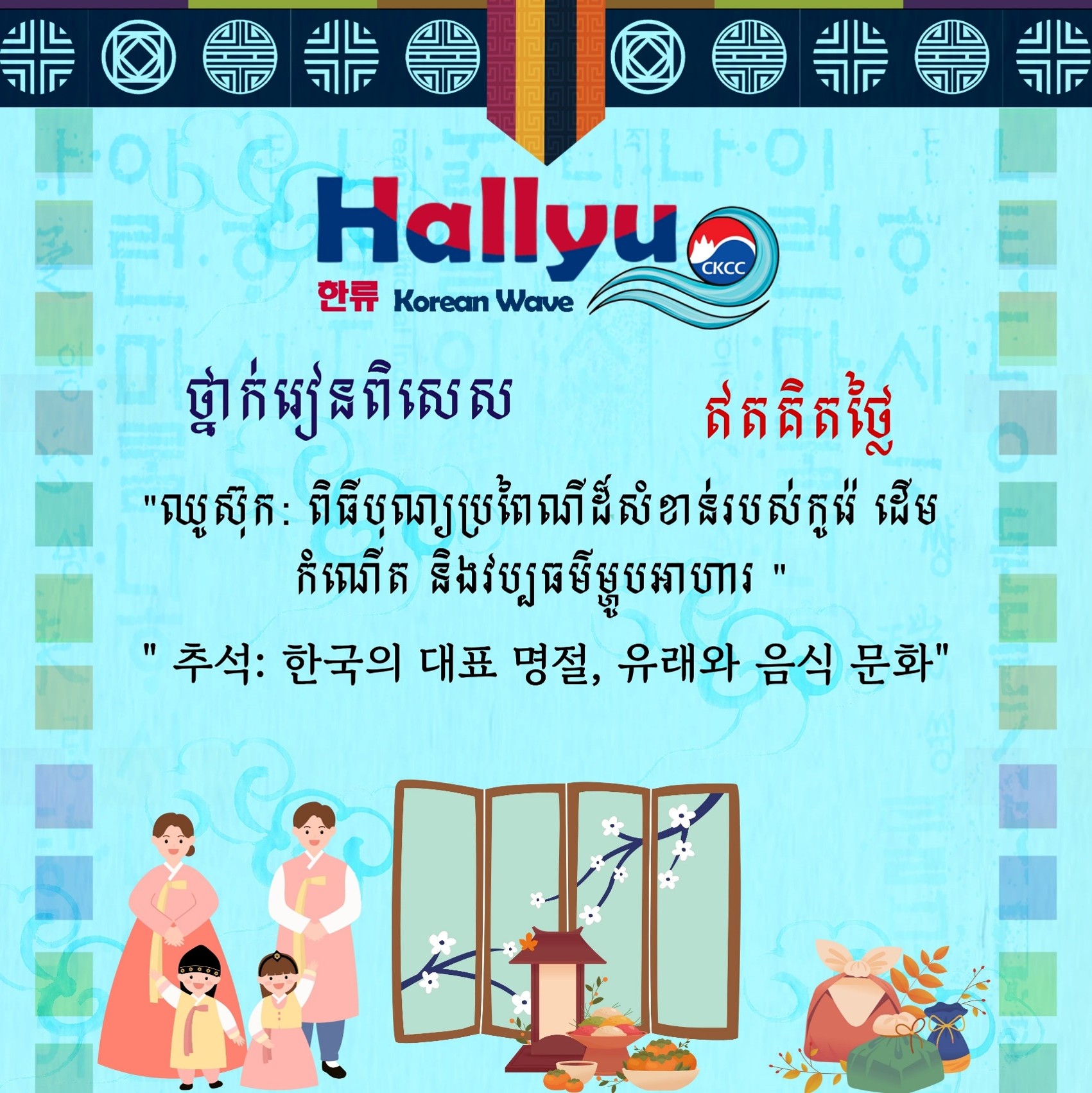
The Special Lecture
News
026 ASEAN-Korea Young Scholar Research Grant (YSRG)
អាហារូបករណ៍នេះផ្តល់ជូនដល់និស្សិត ដែលកំពុងតែសិក្សាថ្នាក់អនុបណ្ឌិត បណ្ឌិត និងជានិស្សិតដែលមកពីបណ្តាប្រទេសសមាជិកអាស៊ាន ឬសាធារណរដ្ឋកូរ៉េ។
🌟 អត្ថប្រយោជន៍ និងជំនួយឧបត្ថម្ភរួមមាន៖
✈️ សំបុត្រយន្តហោះទៅ-មក
💵 ប្រាក់ឧបត្ថម្ភប្រចាំខែ
💻 ឱកាសចូលរួមក្នុងសិក្ខាសាលា Young Scholar Research Workshop (តាមរយៈ Online)
🗓 កាលបរិច្ឆេទឈប់ទទួលពាក្យ: ថ្ងៃទី ០៥ ខែកញ្ញា ឆ្នាំ ២០២៦
🔗 ព័ត៌មានបន្ថែម និងដាក់ពាក្យតាមតំណភ្ជាប់ link នេះ: www.akpgm.org

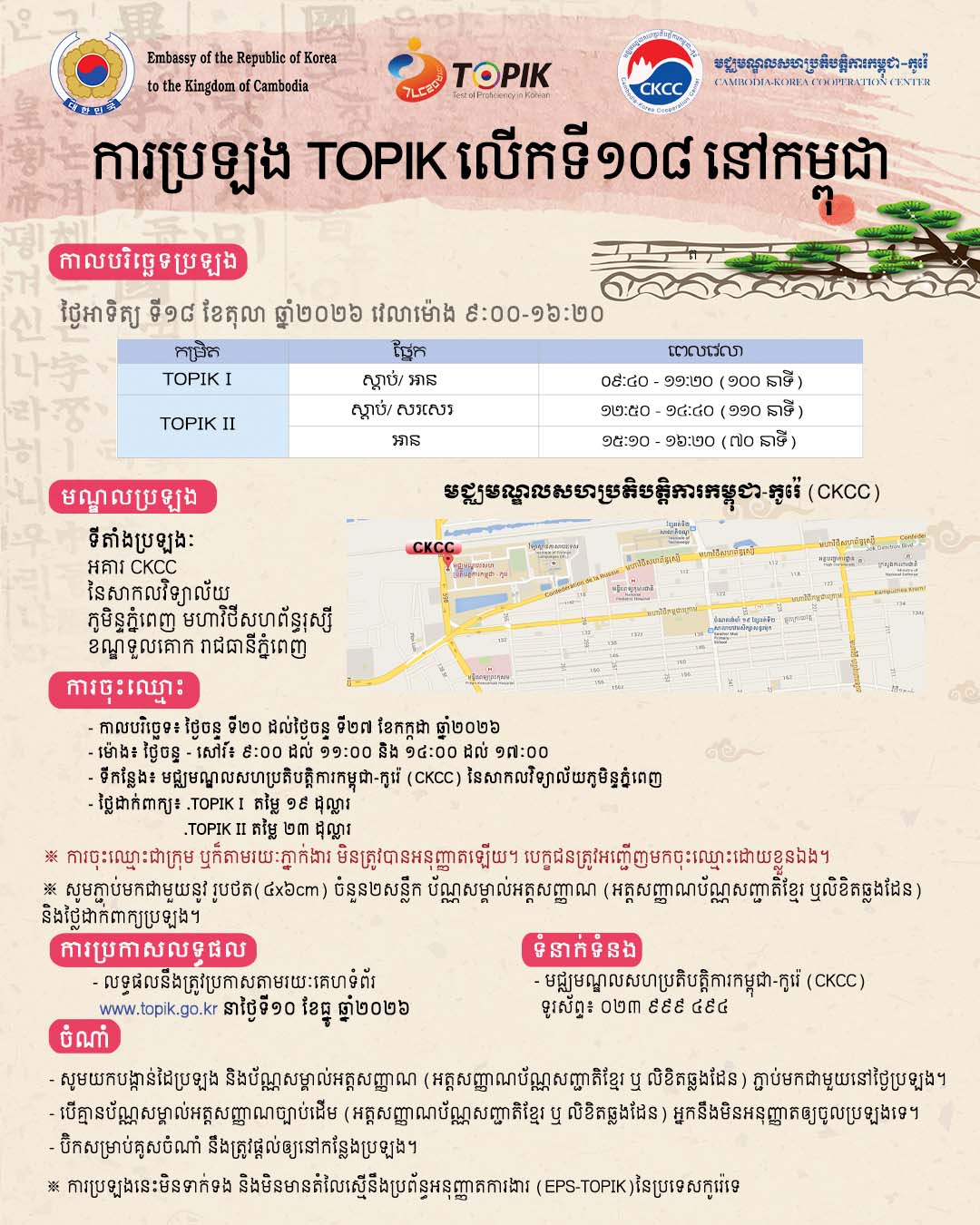
108th TOPIK Announcement
ការទទួលចុះឈ្មោះសុំប្រលង TOPIK លើកទី១០៨ នឹងប្រព្រឹត្តទៅចាប់ពីថ្ងៃទី២០ ដល់ថ្ងៃទី២៧ ខែកក្កដា ឆ្នាំ២០២៦ នៅក្នុងមជ្ឈមណ្ឌលសហប្រតិបត្តិការកម្ពុជា-កូរ៉េ។
ចំពោះសាធារណជនដែលមានបំណងចង់ដាក់ពាក្យប្រលង សូមភ្ជាប់មកជាមួយនូវ អត្តសញ្ញាណប័ណ្ណ ឬលិខិតឆ្លងដែន និងរូបថត ៤x៦ ចំនួន២សន្លឹក។
※※※បញ្ជាក់៖ ការចុះឈ្មោះជាក្រុម ឬក៏តាមរយៈភ្នាក់ងារ មិនត្រូវបានអនុញ្ញាតឡេីយ។ បេក្ខជនត្រូវអញ្ជេីញមកចុះឈ្មោះដោយខ្លួនឯង។
🗓ការប្រលងនឹងត្រូវធ្វើឡើងនៅថ្ងៃទី១៨ ខែតុលា ឆ្នាំ២០២៦។ សម្រាប់ព័ត៌មានបន្ថែម សូមអានខិត្តបណ្ណផ្សព្វផ្សាយខាងក្រោម ឬទំនាក់ទំនងលេខទូរស័ព្ទ 023-999-494 ឬ 012-512-995
Rentals
CKCC FACILITIES & EQUIPMENT RENTAL SERVICES GUIDELINE
I. PRICING LIST & DIMENSION

** The Rate of Conference & Seminar Rooms includes:
> LCD Projector and Screen
- > Drinking Water
- > Chairs
- > Tables & table cloths
- > Whiteboard, Marker & eraser
- > Microphones
** The Rate of Multipurpose Hall includes:
- > LCD Projector and Screen
- > VIP Chairs and Table
- > Chairs
- > 10 Tables & table clothes
- > 5 Microphones
- > 2 Podiums
II. RENTAL EQUIPMENT

Download Here… | ||

| 
| 
|
III. ADDITIONAL RENTAL FACILITIES

IV. ARRANGEMENT SERVICE

V. FACILITY GALLERY

| |

| |

| |

| |

| |

| |
 |


VI. BRING IN SERVICE CHARGE

VII. FREQUENTLY ASKED QUESTIONS
FQA
1. How to book CKCC's Facilities?
Please check the available facilities of the room with CKCC staff and fill out the Facilities Rental Form. Then, directly submit it to Administration Finance Office at CKCC or send it by Email at least seven (7) working days prior to the
event date.
2. How to get a discount rate?
Please apply for CKCC Rental Membership at Administration and Finance Office
- CKCC Rental Membership Fee:50USD/person or organization
- CKCC Membership Rate: 10% off
3. What Kind of payment will CKCC accept?
We accept payment by Cash, Cheque, or bank transfer.
4. How to Cancel the booking?
Please directly contact CKCC staff. Cancellation policy is as follows:
- 20% charge if the cancellation is made after getting approval.
- 30% charge if the cancellation is made less than 7 days before the event date.
- 50% charge if the cancellation is made on the event date.
5. Suppose I would like to book room around 10:30 - 14:30, how to you charge?
We will charge as one (1) day, since we could not utilize the room for any other events.
6. Suppose I would like to rent for one (1) and haft day, so you will charge the rate of one day plus the rate of haft day?
Since you are consecutively using our meeting room, we will charge you for one (1) day and another haft day in the rate of per day.
7. If I rent the room for haft two (2) days, how would you charge me?
You will be charged in the rate of per haft day.
8. I want to rent CKCC's Facilities on weekend, how will CKCC charge me?
In case of using on the Saturday and Sunday, The Normal Rate is applied, not the Membership Rate. If you are not a membership card holder, 10% additional charge will be applied.
The Price & information is subject to change without prior notice!
Facilities
Korea Corner
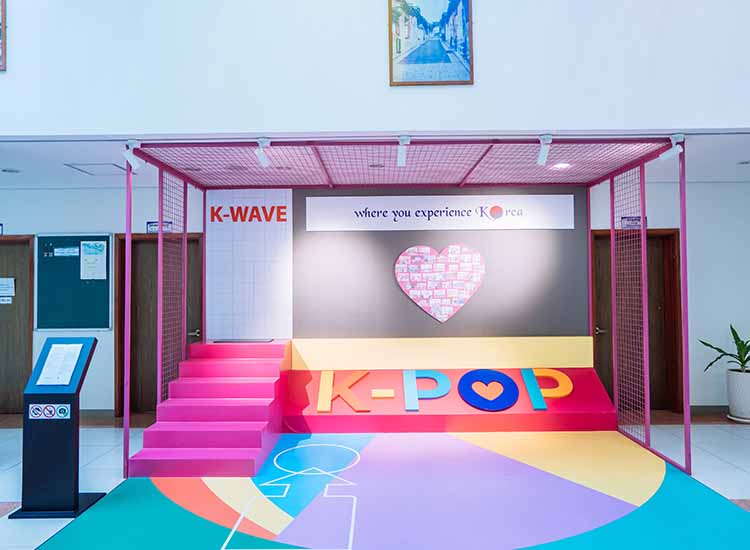
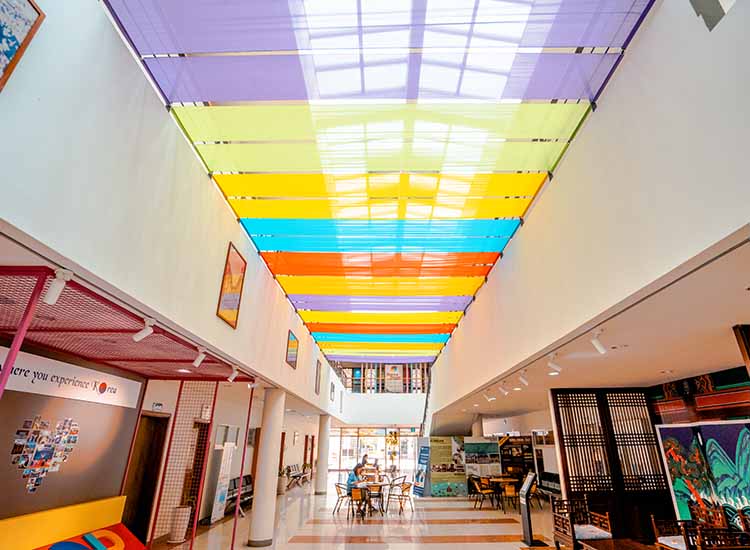
If you wish to learn more about Korean Culture and Korean History, please come to visit our Korea Corner. If you wish to enjoy Korean dramas and K-Pop songs, you still have to come to Korea Corner.
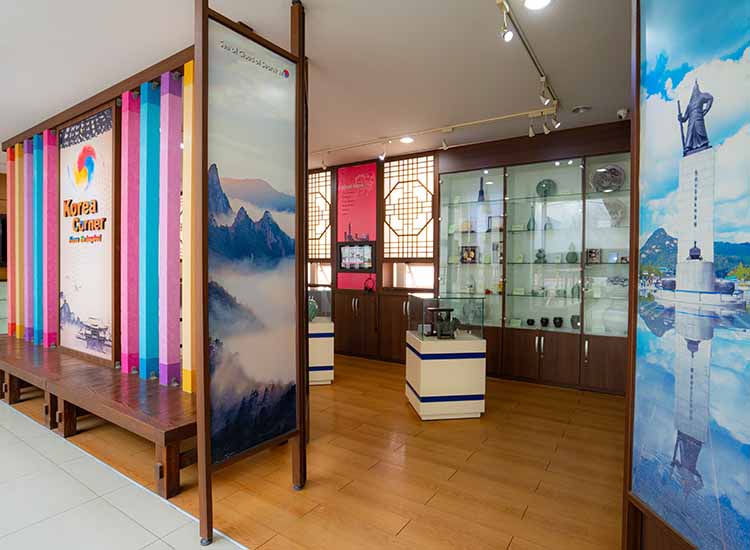
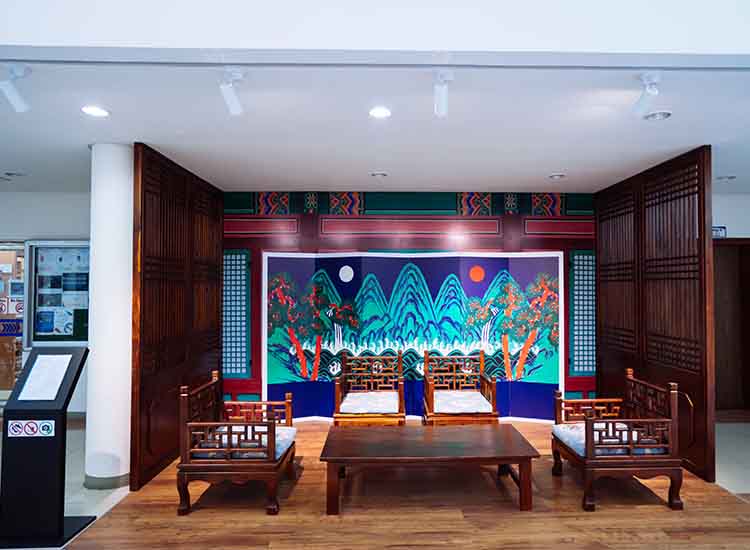
CKCC’s slogan is “Where you experience Korea”. So our Korean Photo Zone will make you feel like visiting Korea. Start your passionate journey to Korea by visiting CKCC Korean Photo Zone.
CKCC Library
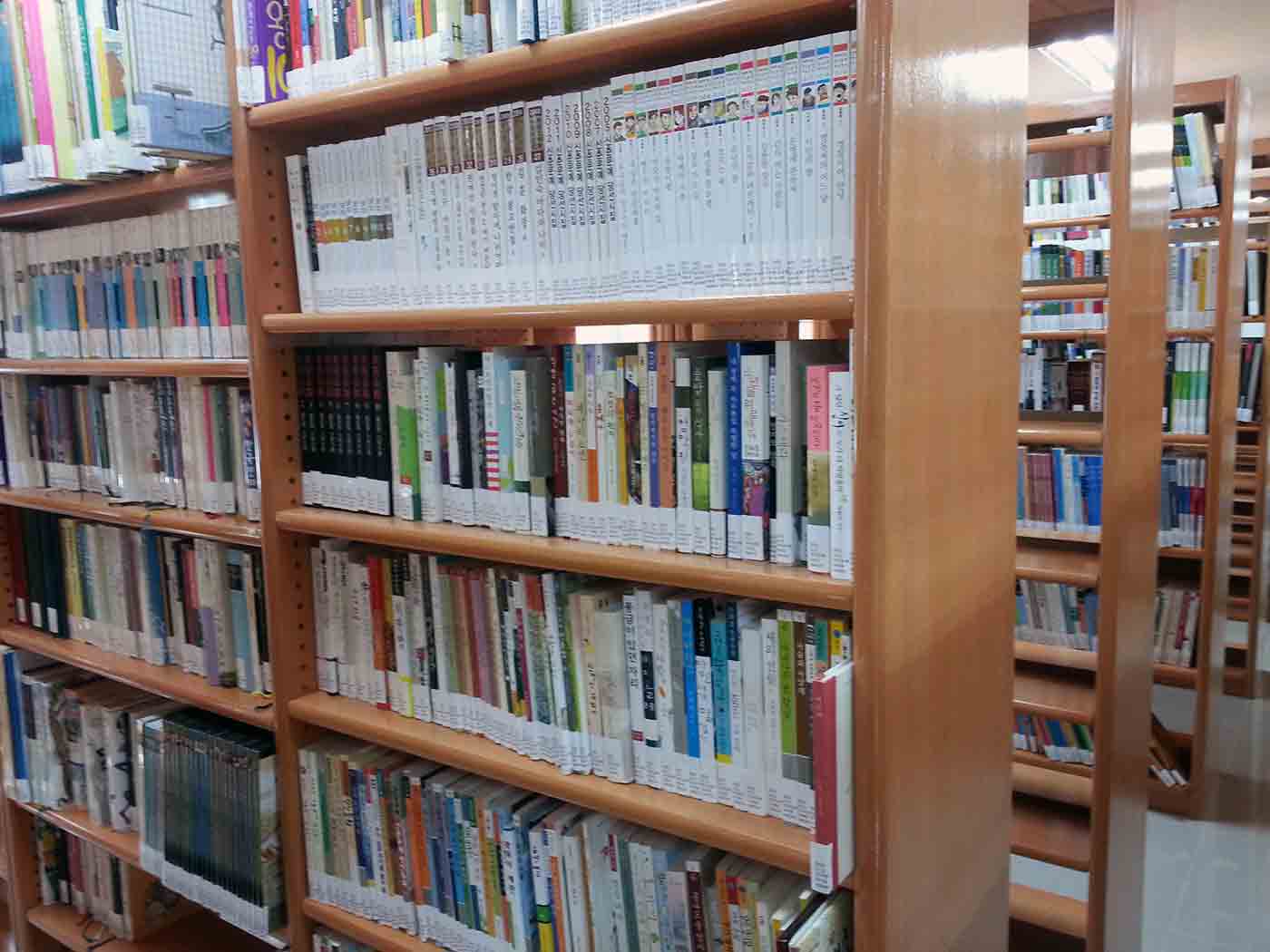
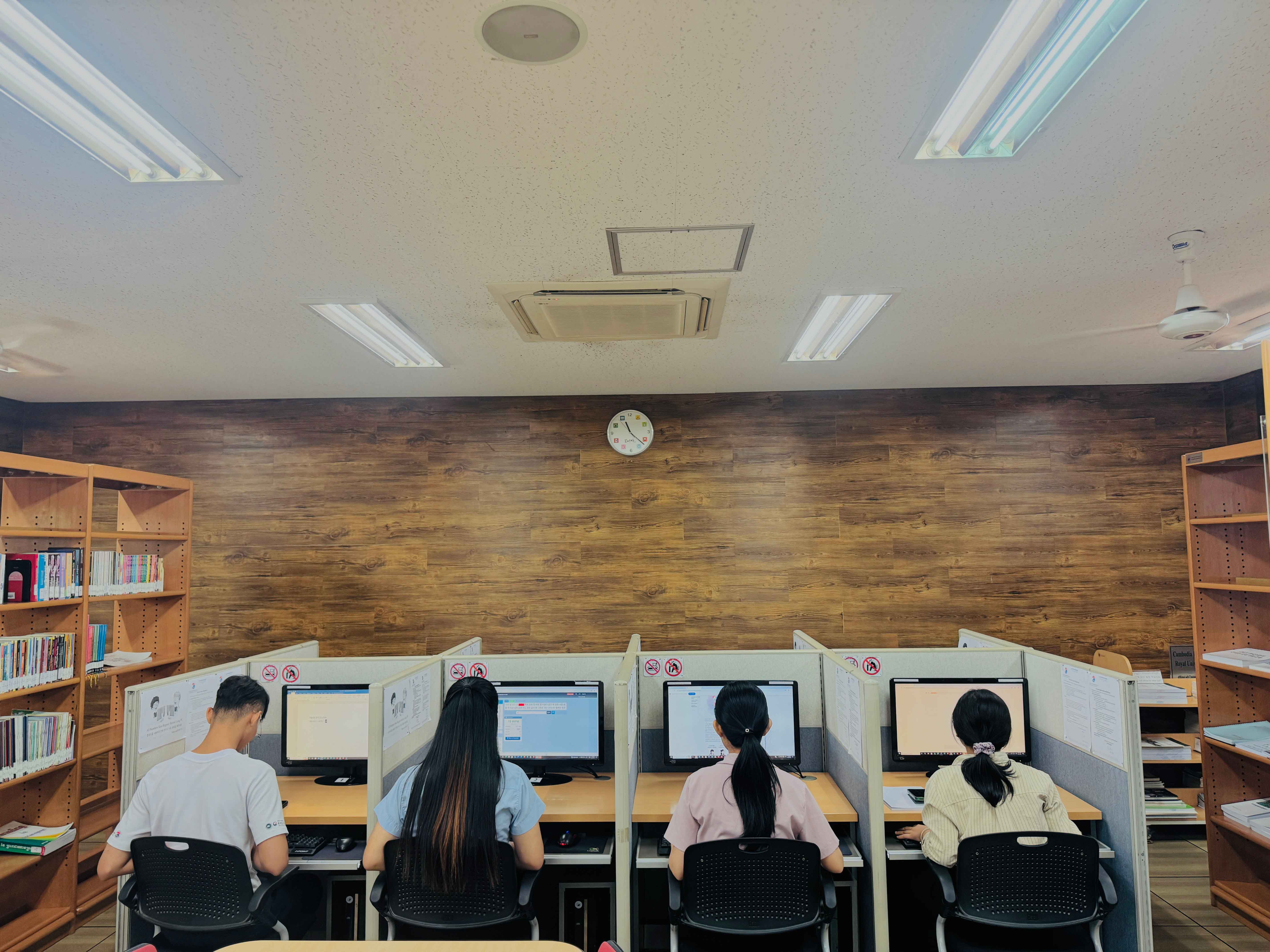
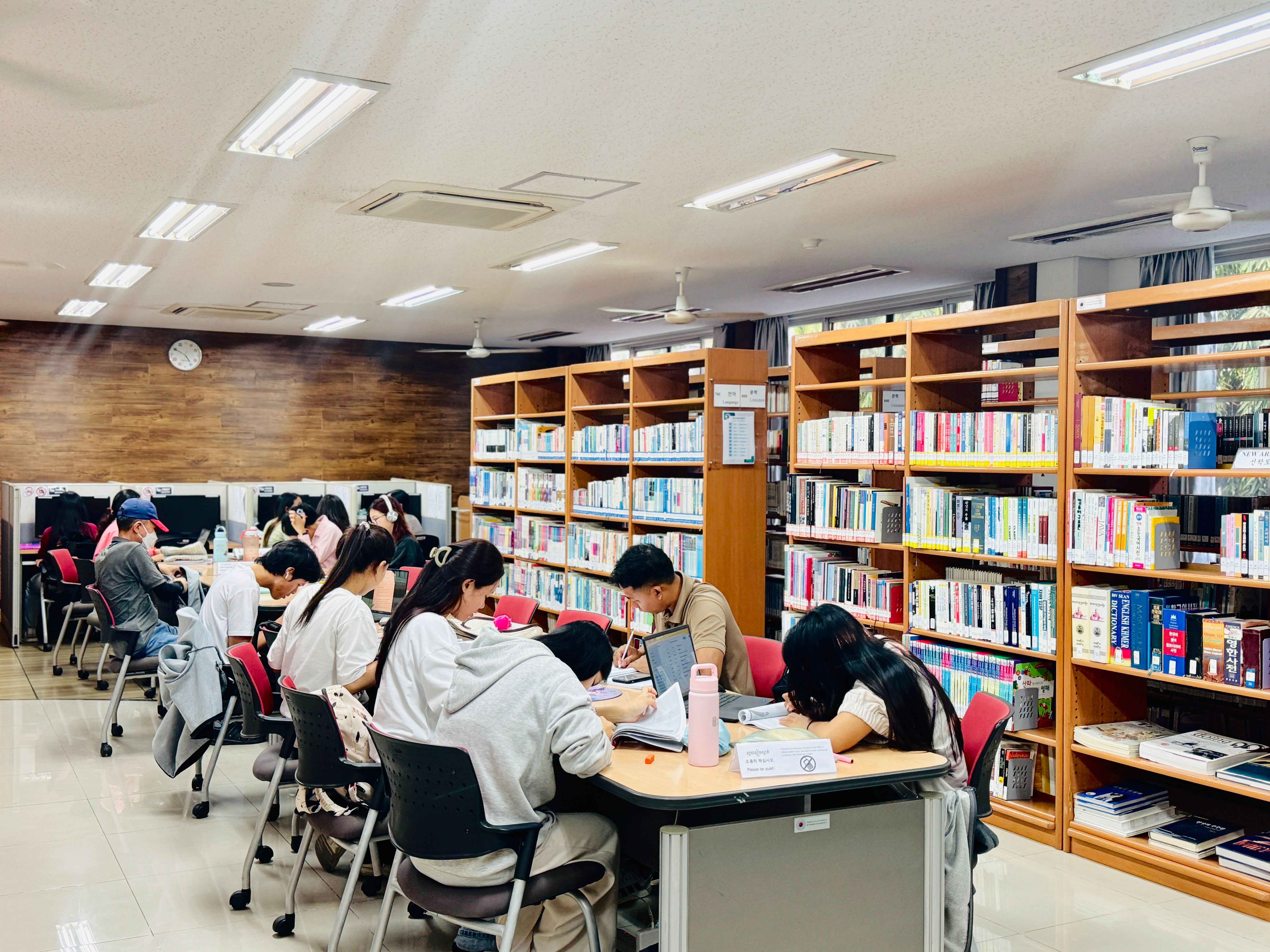
The CKCC Library provides a valuable learning environment with more than 10,000 books and reading materials in Khmer, Korean, and English. The library offers a wide range of resources, including a rich collection of Korean books and materials that support Korean language learning, cultural understanding, and academic research. With a quiet, air-conditioned study space, computers with internet access, and a comfortable atmosphere, the CKCC Library is an ideal place for students, researchers, and visitors to read, study, and explore knowledge.
Student Lounges
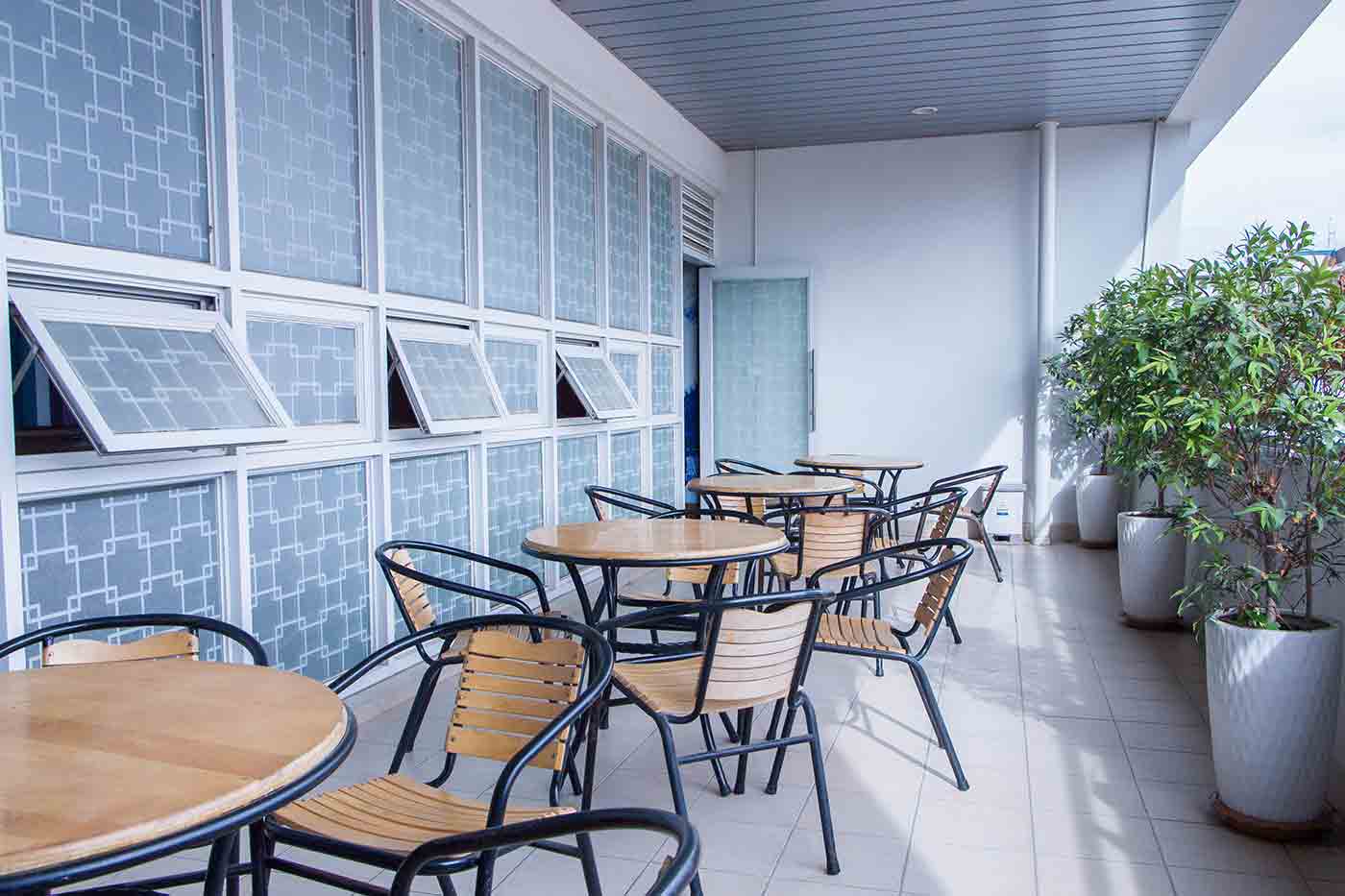
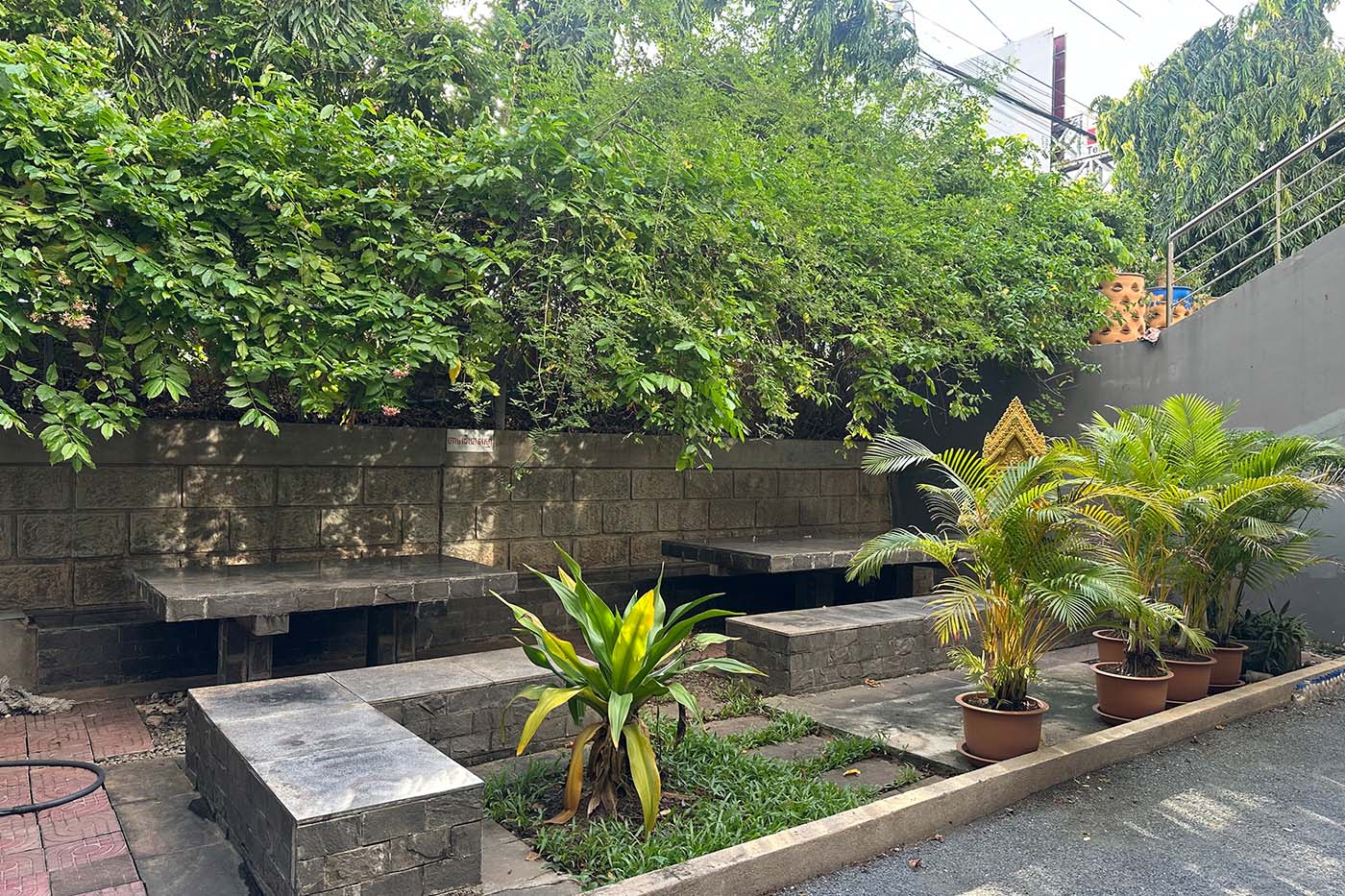
Three student lounges located at the ground, first and second floors are very convenient places for group study and discussion. Besides provide comfortable chairs and tables, all CKCC visitors can access to free internet service within our building.
Multipurpose Hall
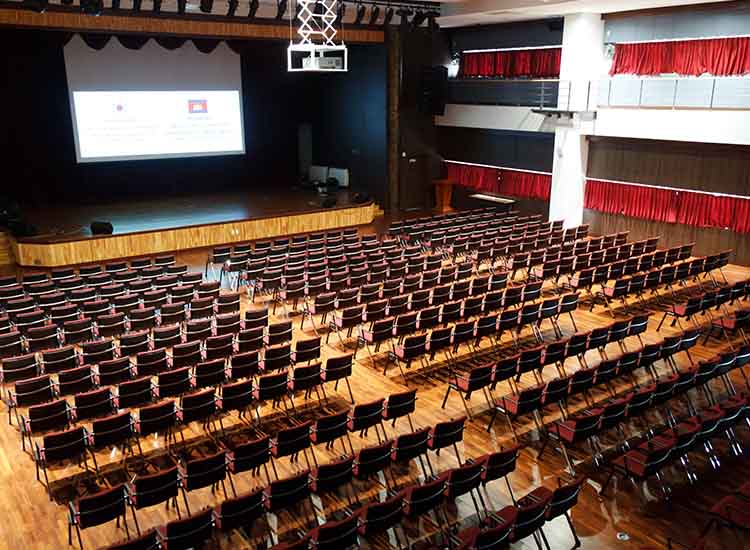
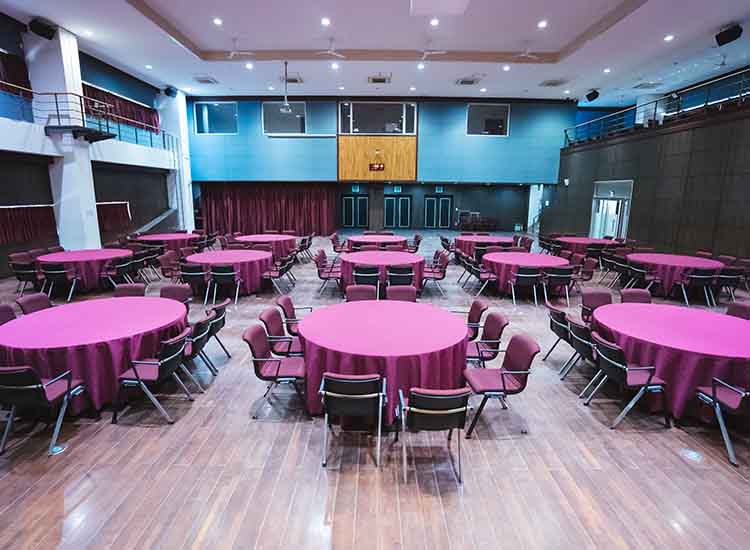
Multipurpose Hall is another significant feature of CKCC. Its usefulness is already described in its name as “Multipurpose”. This hall plays very important role in supporting big events, since it can hold up to 550 participants. It is equipped with modern sound and lighting systems, comfortable environment, and a large stage that ensure the sense of comfort and good experience for the participants.
Seminar Rooms
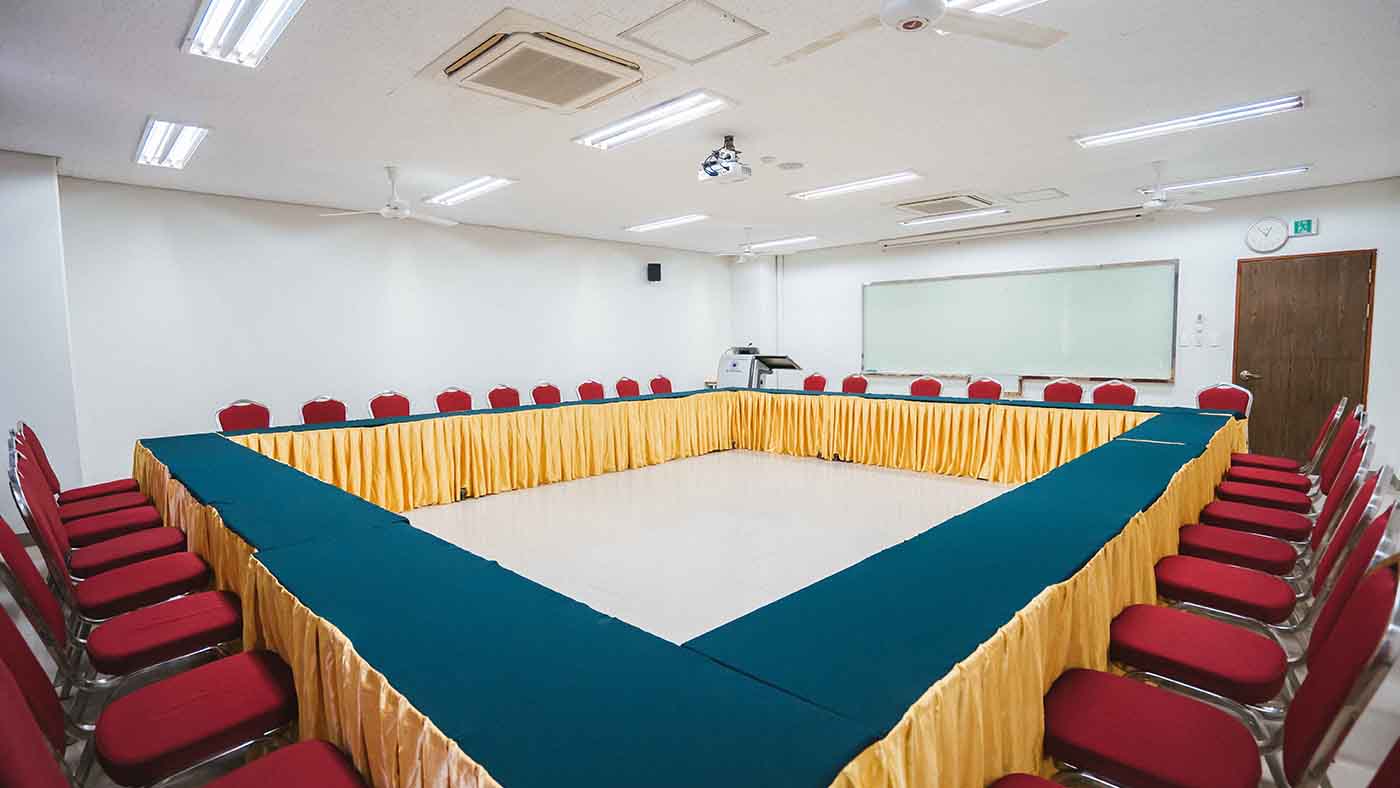
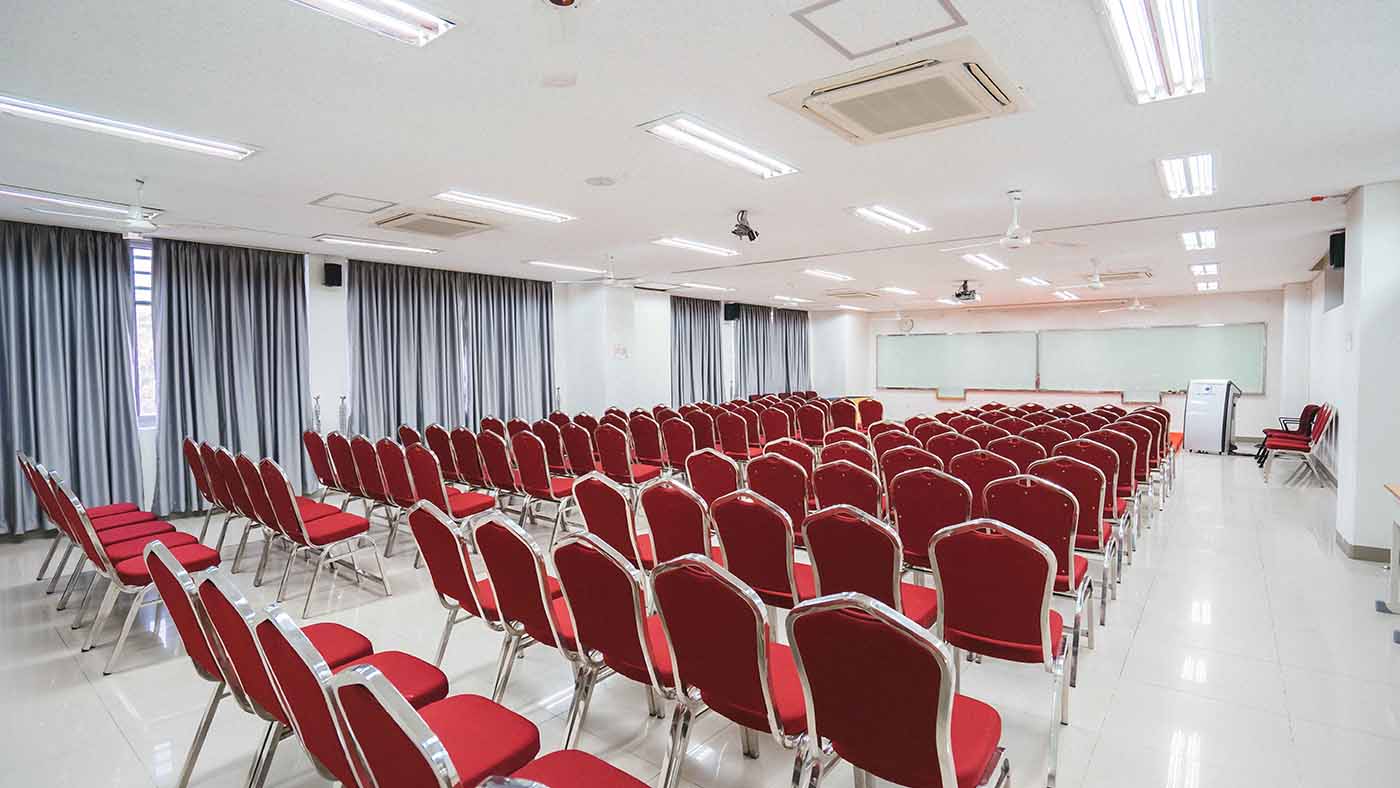
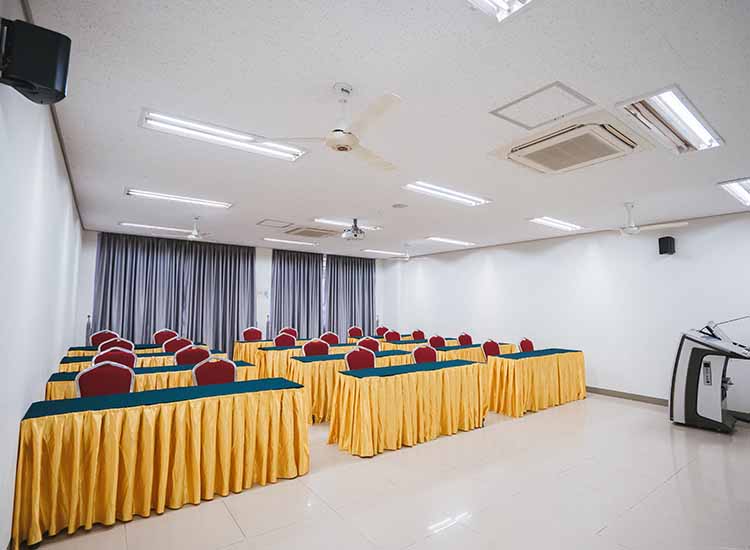
Four seminar rooms that can accommodate to maximum 120 peoples is very suitable for many kinds of activities including meeting, training, workshop, seminar, and examination. Similar to lecture rooms, all modern technical support equipment is equipped in these rooms.
Lecture Rooms
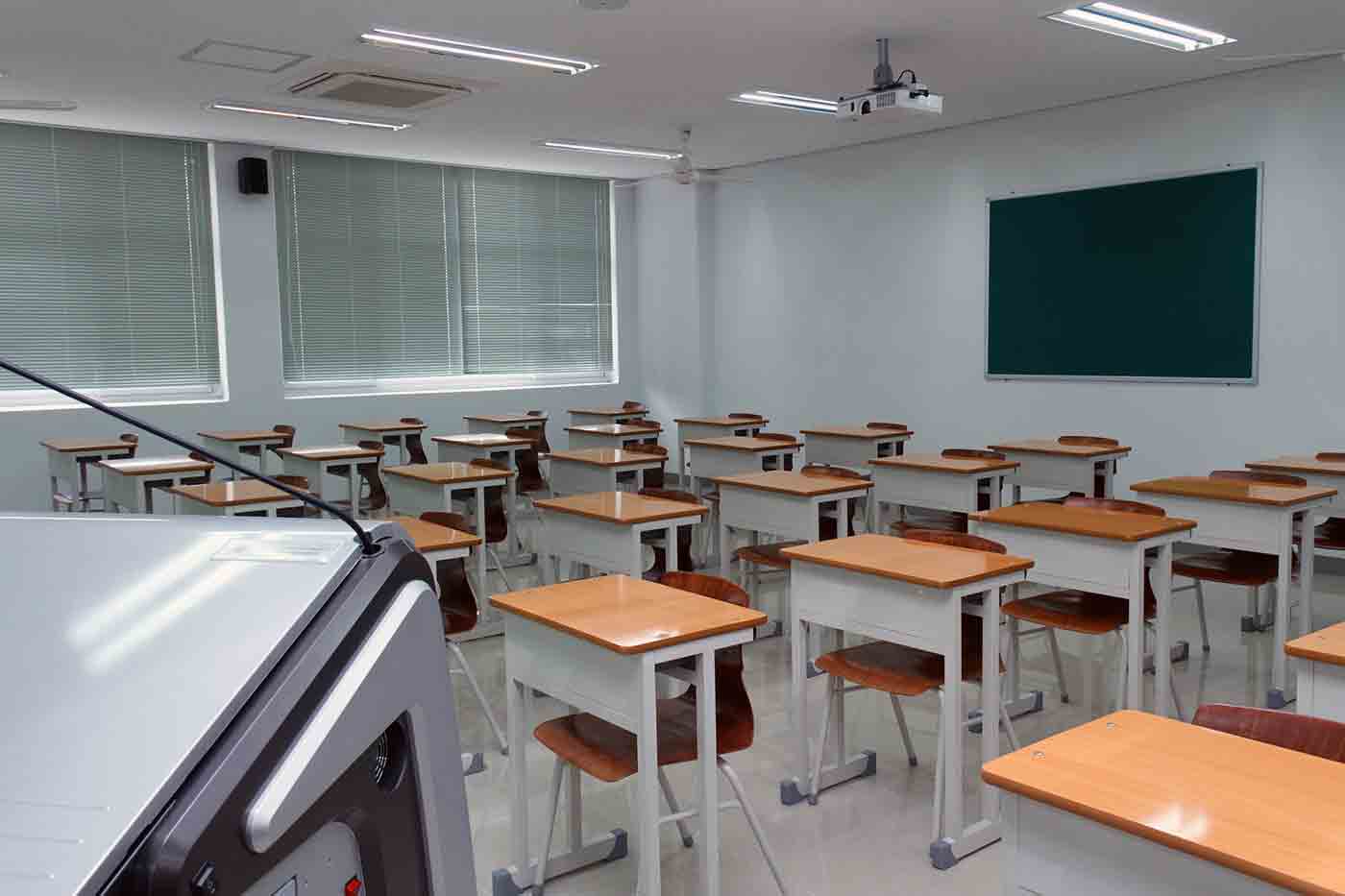
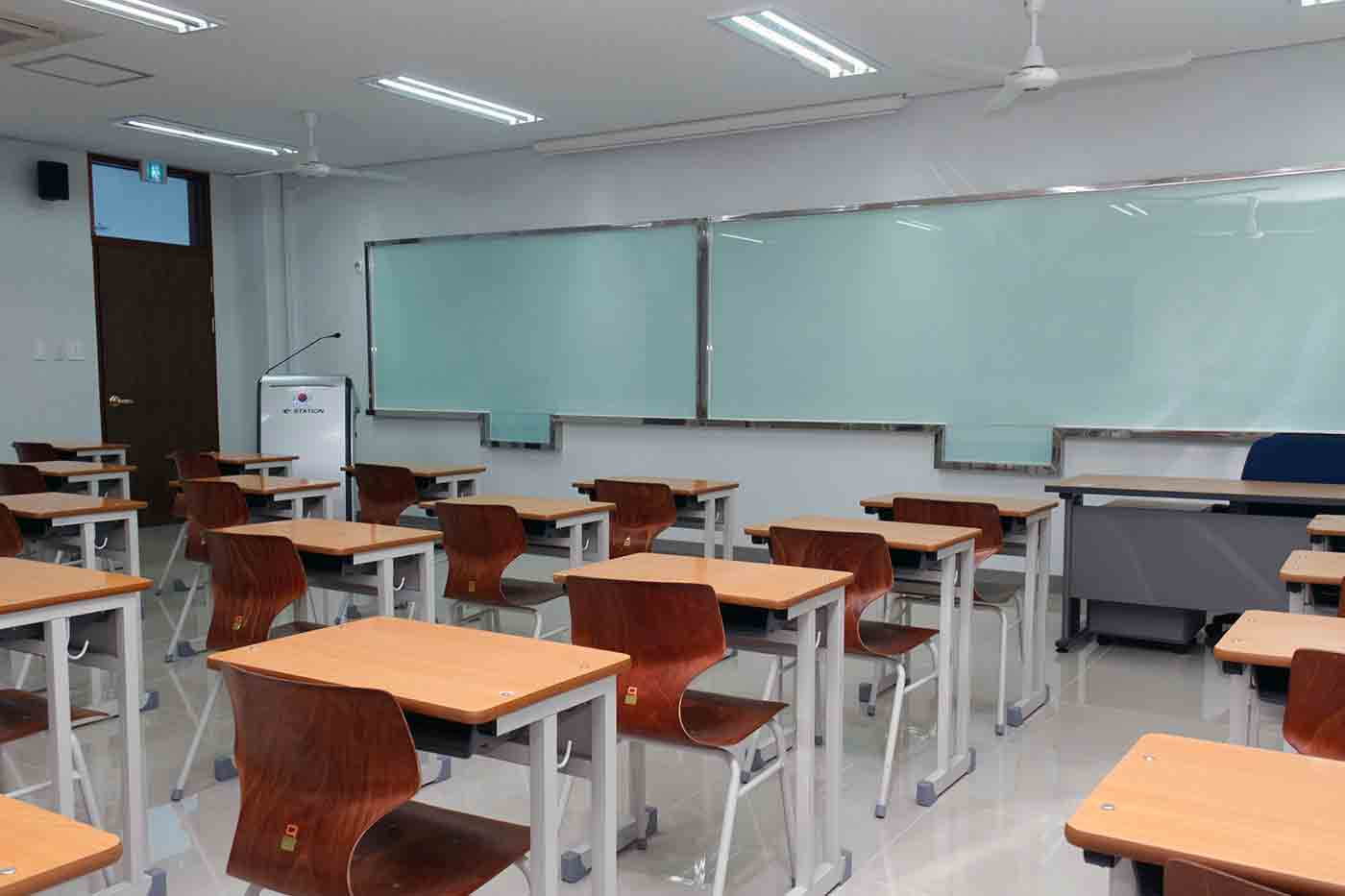
Being designed as classroom style, Ten lecture rooms in CKCC can accommodate around 40 people in each room. Projector, E-station, and sound system have been equipped in all rooms in order to facilitate all kinds of activities especially teaching and training activities.
Computer Room
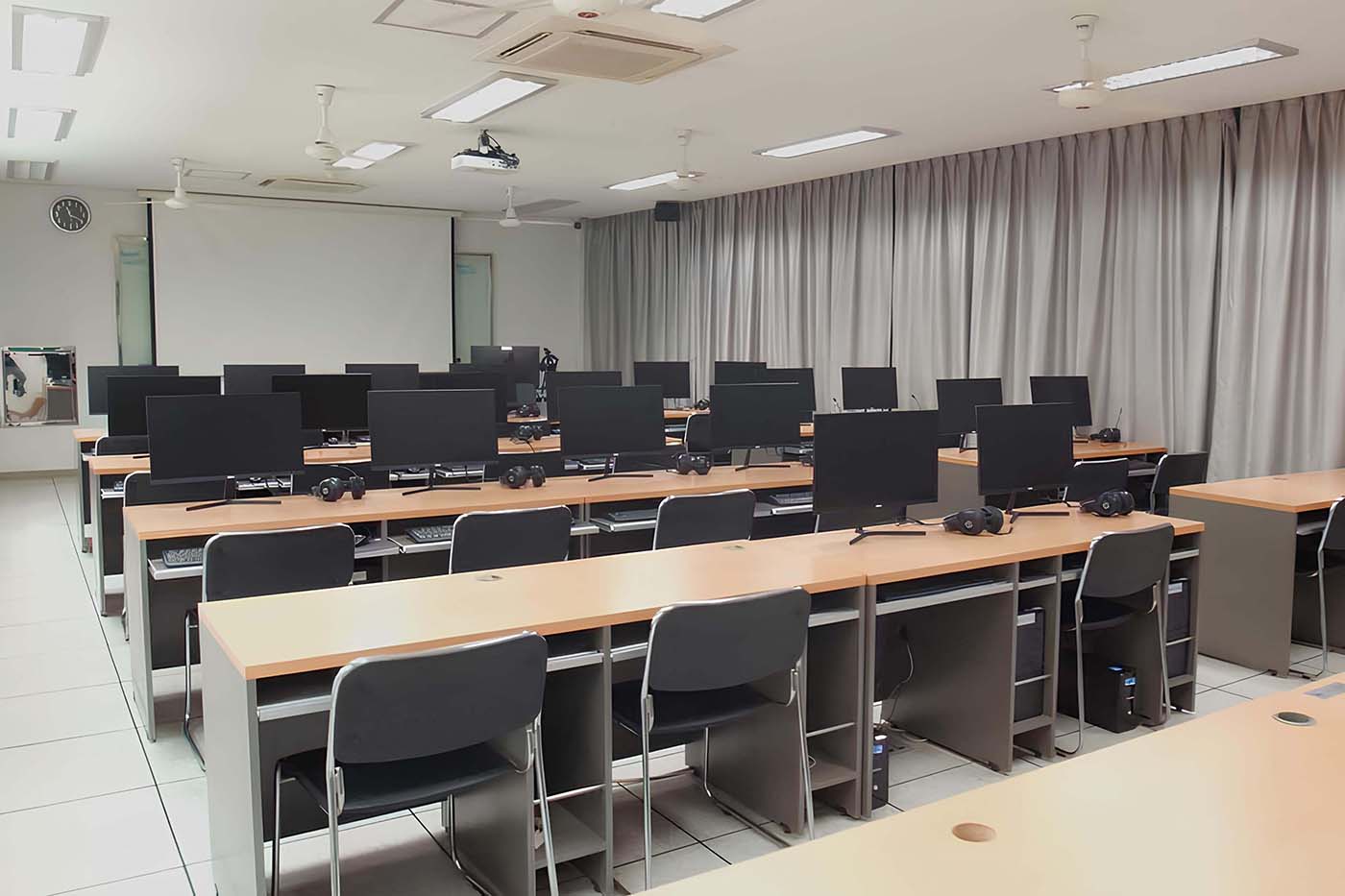
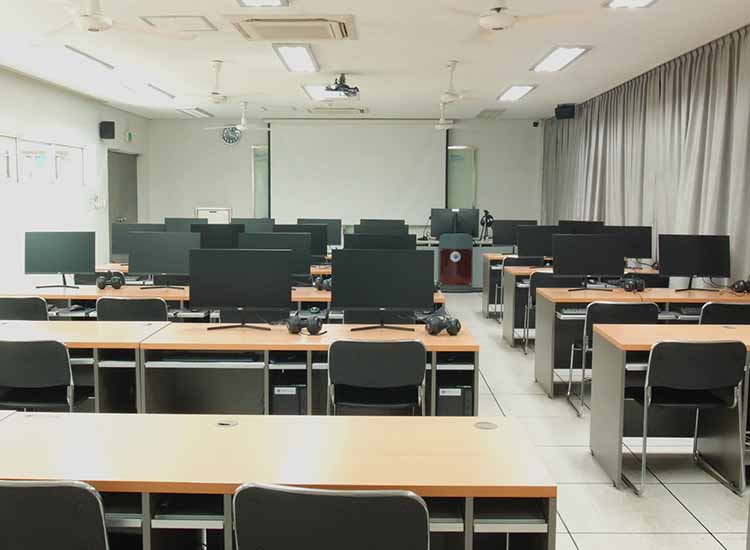
This computer lab is used serve for Graphic design, Video editing, while this lab is fully equipped that allow the student to practice their practical skill directly. In the computer lab is specially equipped with computers, electronic teaching desk, internet access, and LCD projector.
Hanbok Service
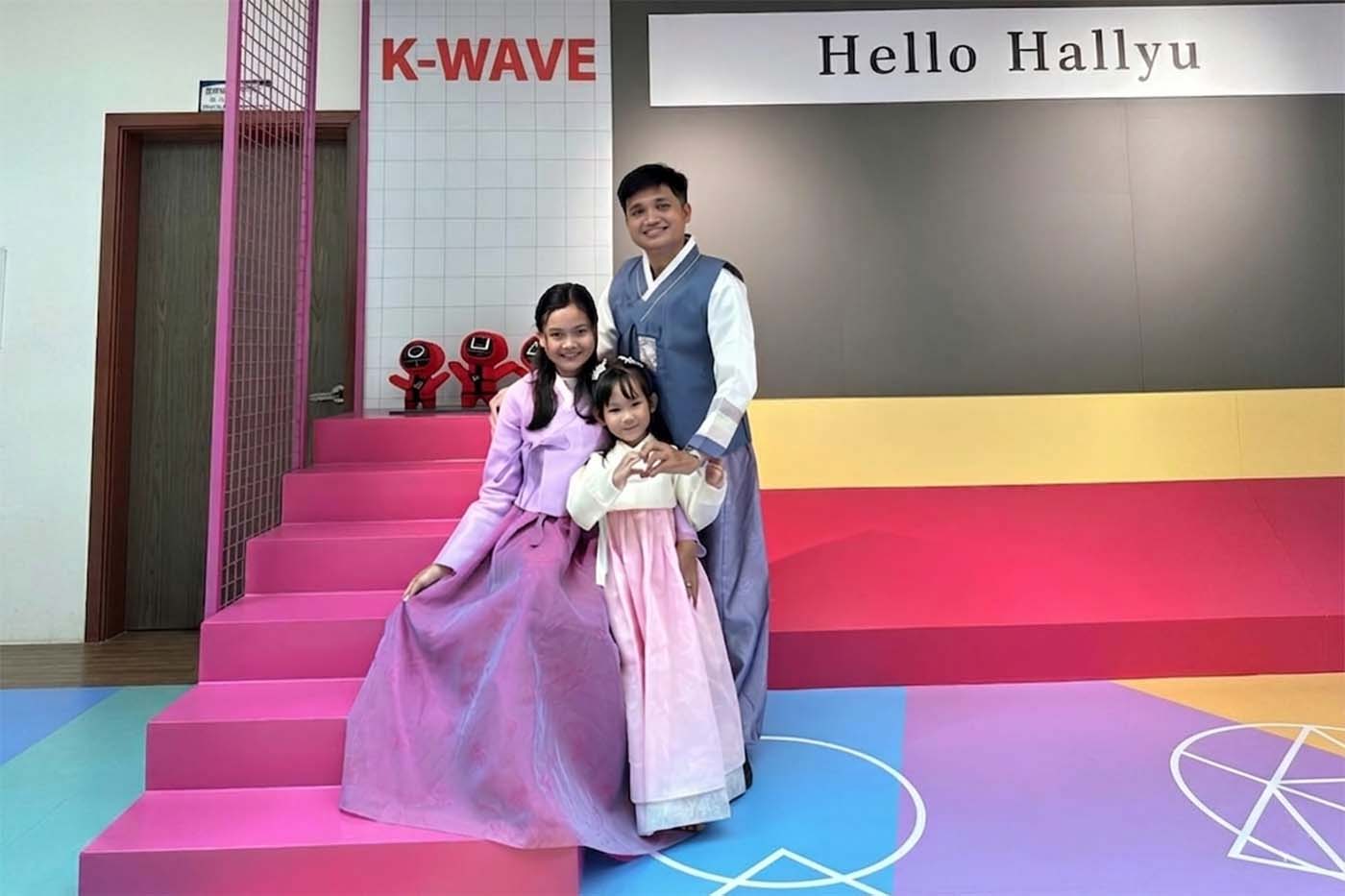
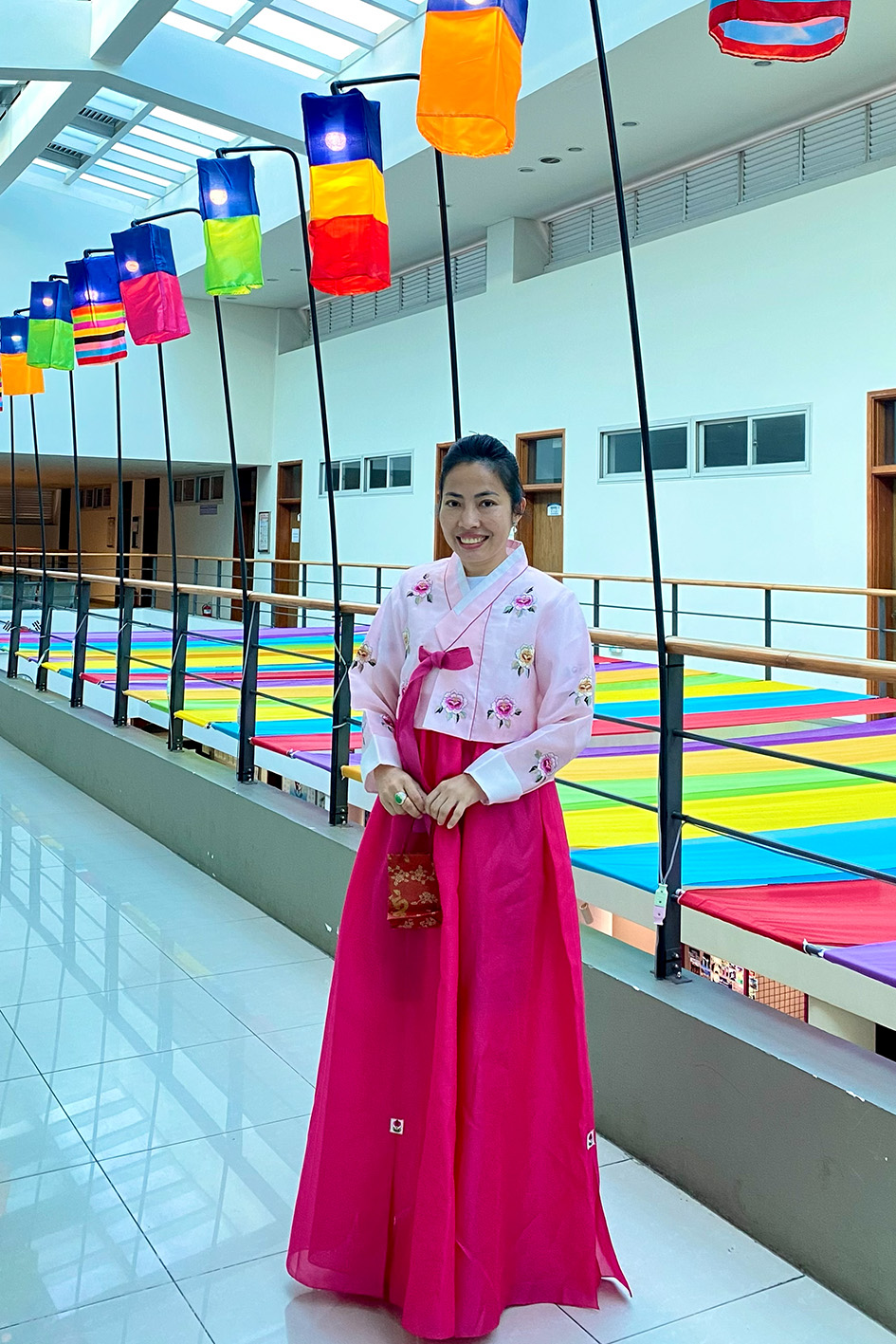
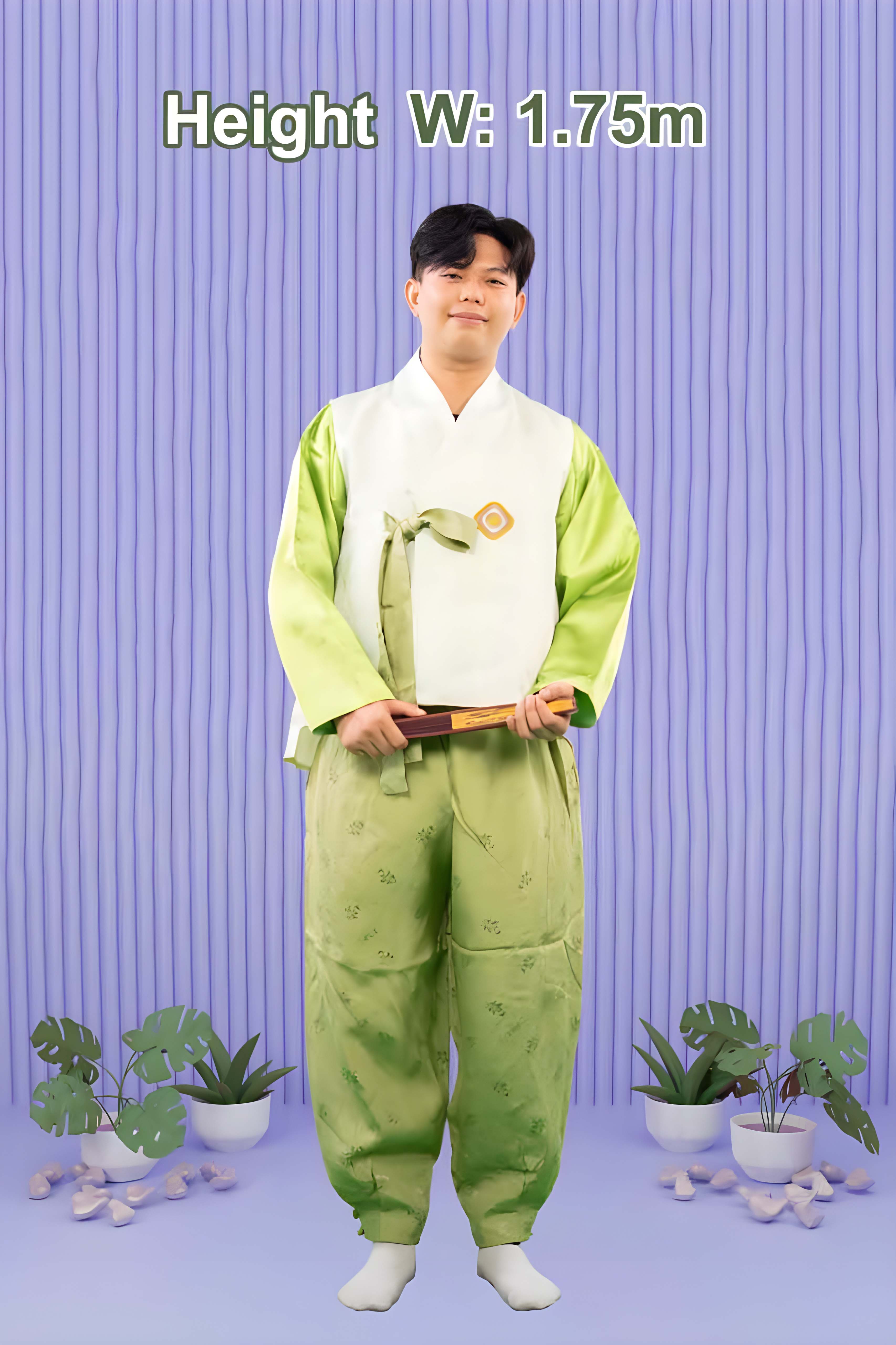
Along with other Korean cultural displays and activities, CKCC is also the only place in Phnom Penh that you can find the premium Hanbok rental service. Our friendly team is ready to provide you an efficient and reliable service.
Digital Studio
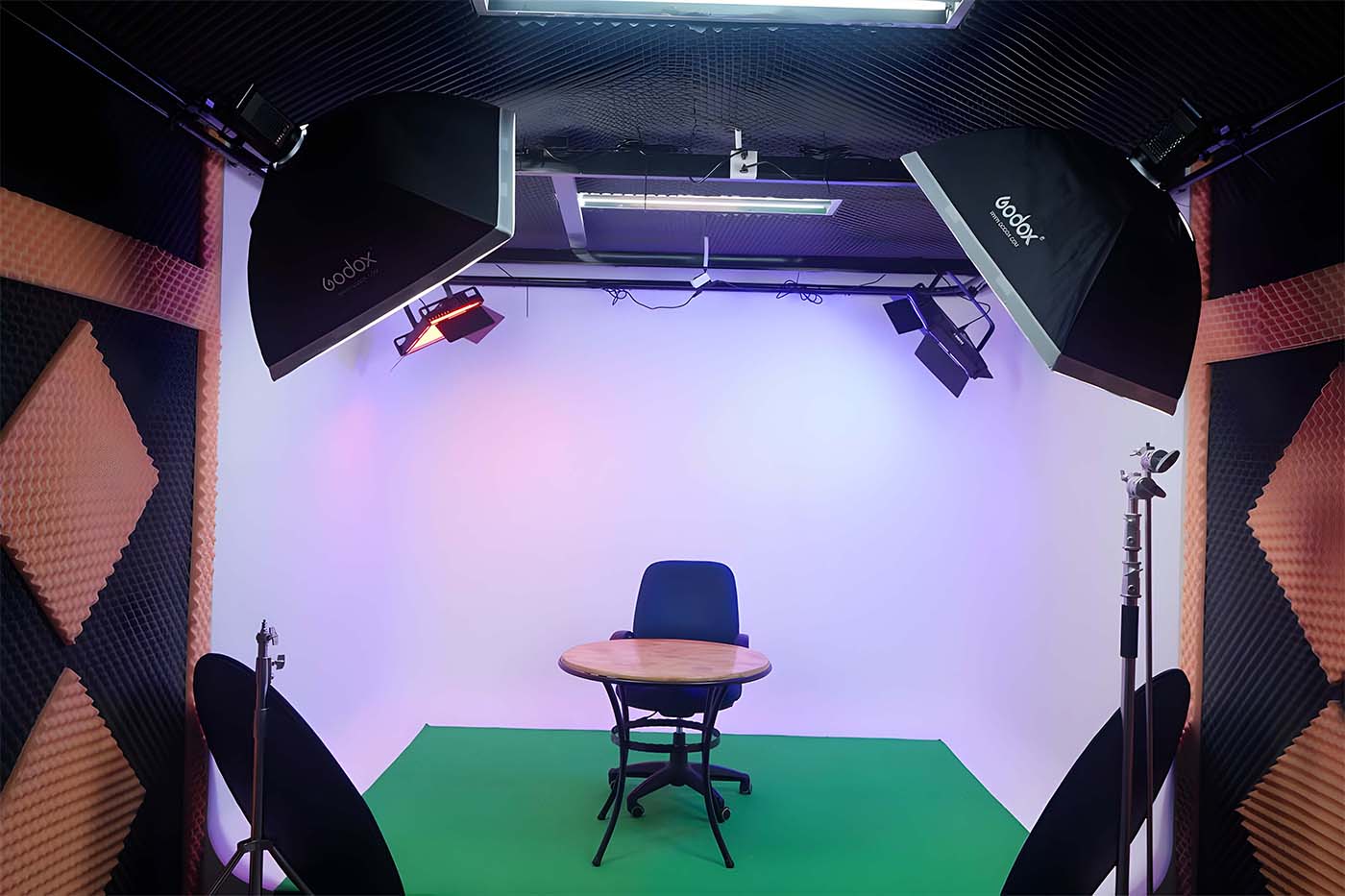
CKCC Digital Studio is a creative studio consisting both technology-equipped space and technological support. This studio specializes in producing digital education and digital marketing contents. Choosing our digital studio service today to bring your project ideas to fruition tomorrow.
Korean Corner

CKCC Digital/Hybrid Education Platform
Contact Details 1
Address
The Royal University of Phnom Penh, Russian Federation Boulevard Toul Kork, Phnom Penh, Cambodia
Phone
Contact Details 2
Address
The Royal University of Phnom Penh, Russian Federation Boulevard Toul Kork, Phnom Penh, Cambodia
Phone
Posts
News
![[Nadri K-Festival]](https://s3.minio.itc.rupp.edu.kh/ruppweb/thumbnail_img/01M4WHYYQ0YFZ91E8162NS12JY.jpg?X-Amz-Content-Sha256=UNSIGNED-PAYLOAD&X-Amz-Algorithm=AWS4-HMAC-SHA256&X-Amz-Credential=IPRqVNbIaRnx8CNMvBWB%2F20261023%2Fus-east-1%2Fs3%2Faws4_request&X-Amz-Date=20261023T020947Z&X-Amz-SignedHeaders=host&X-Amz-Expires=900&X-Amz-Signature=3004c544a5c3fd5fa4c8e536ca0b9515d4dea8016e313db819a1f44c5179536a)
[Nadri K-Festival]
មហោស្រពណាឌ្រី នឹងចូលមកដល់នាពេលឆាប់ៗខាងមុខនេះហើយ។ ព្រឹត្តិការណ៍វប្បធម៌ខ្មែរ-កូរ៉េប្រចាំឆ្នាំនេះ នឹងបង្ហាញពីភាពស្រស់ស្អាតន...

108th TOPIK Announcement
🗓ការប្រលងនឹងត្រូវធ្វើឡើងនៅថ្ងៃទី១៨ ខែតុលា ឆ្នាំ២០២៦។ សម្រាប់ព័ត៌មានបន្ថែម សូមអានខិត្តបណ្ណផ្សព្វផ្សាយខាងក្រោម ឬទំនាក់ទំនង...